
UI Partners with BRIN to Develop Zero Waste Processing
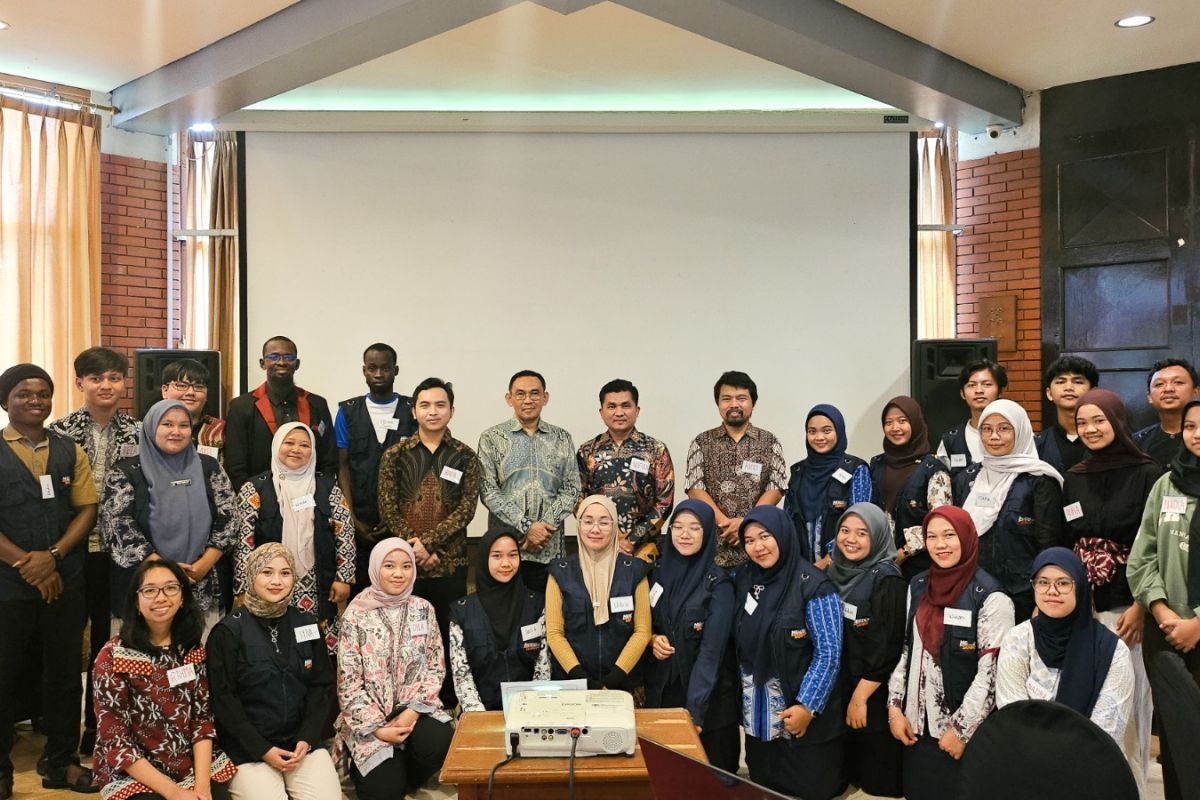
The University of Indonesia (UI) is synergising with the National Research and Innovation Agency (BRIN) and industrial partner Viro to develop a pilot model for zero waste-based waste management within educational environments. Professor Mochamad Chalid from the Faculty of Engineering (FTUI) stated that the Merdeka Sampah programme aims to encourage the transformation of waste management in various educational institutions through a systematic, educational, and sustainable approach. The programme is part of FTUI’s community service, focusing on building an environmental care culture through education and behavioural change from an early stage. Through a series of training sessions and Focus Group Discussions (FGD) entitled ‘Roadmap for Waste Management in Educational Institutions’, partner schools and campuses are encouraged to become not only formal learning spaces but also spaces for sustainability practices with tangible impact. The approach applied in this programme emphasises that waste management in educational institutions requires more than just providing facilities and technology; it also needs strong leadership character, structured governance, behavioural change, and shared commitment from all members of the institution. Chalid conveyed that schools and campuses are the best places to instil new habits. When a culture of waste management is built early, its impact is not only felt within the educational environment but also extends to families and the wider community. Therefore, behavioural change must be the main foundation in building a sustainable waste management system. In its implementation, each educational institution is encouraged to identify its actual conditions, challenges, and priority actions for waste management, focusing on waste reduction, source segregation, organic waste processing, and strengthening data governance. Meanwhile, the Dean of FTUI, Kemas Ridwan Kurniawan, stated that waste management requires multi-party collaboration and science-based solutions. He noted that higher education institutions must not only produce knowledge and innovation but also present solutions that answer societal challenges. Through the Merdeka Sampah programme, FTUI is promoting synergy between academics, government, and industry to build a sustainable waste management model that can serve as a reference for educational institutions across Indonesia.