
UI Expert: PP TUNAS Crucial for Protecting Children's Development in the Digital Era
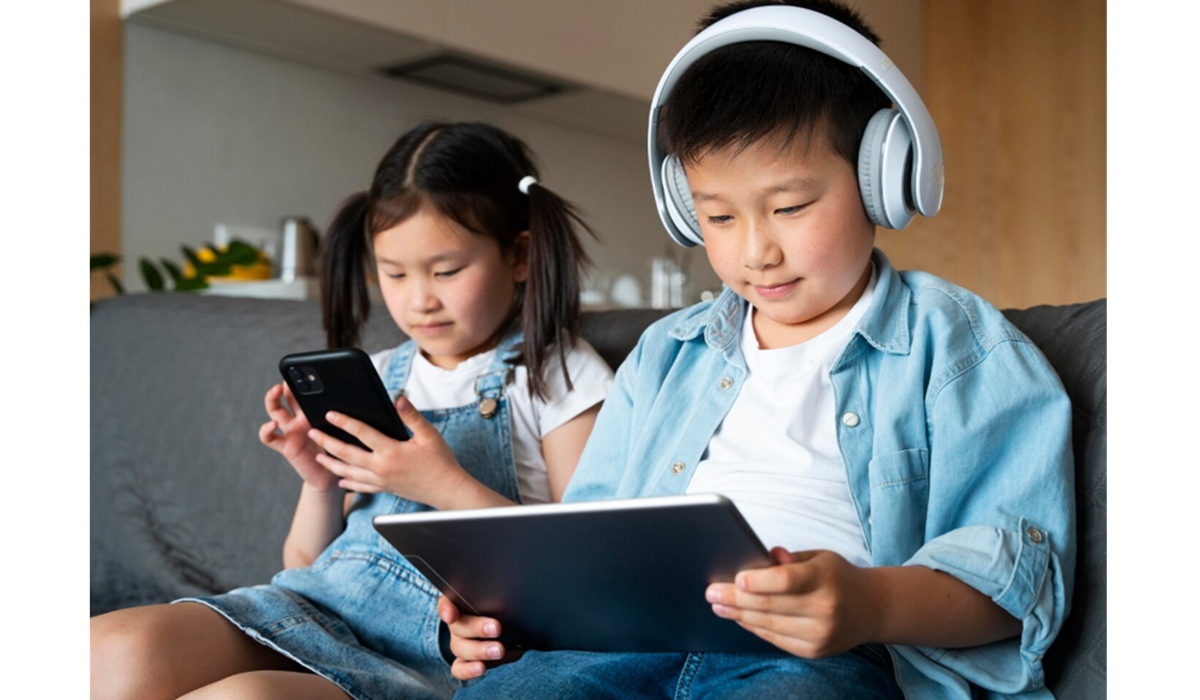
The implementation of Government Regulation No. 17 of 2025 on the Governance of Electronic Systems in Child Protection (PP TUNAS) has received a positive response from experts. This regulation, effective from 28 March 2026, is seen as a strategic step in safeguarding children’s development amid the massive exposure to digital content.
Vera Itabiliana Hadiwidjojo, a clinical psychologist for children and adolescents from the University of Indonesia’s Psychology Institute, asserts that restricting social media access is not simply a ban, but an effort to provide space for children to develop according to their age stages.
“This regulation is important and relevant to the current situation. Children in the phase of brain, emotional, and self-control development need to be limited so that their growth and development are optimal,” said Vera on Sunday (29/3).
Vera explains that early exposure to social media risks disrupting emotional regulation, self-identity formation, and reducing the quality of real social interactions. Mentally, children are vulnerable to anxiety, overthinking, and low self-esteem due to social comparisons in the virtual world.
Not only mental, but physical impacts also loom. Excessive gadget use can trigger sleep disturbances, lack of physical activity, and eye fatigue.
“Reduced direct communication skills also often occur because children are not accustomed to reading nonverbal cues in face-to-face interactions,” she added.
Vera recommends limiting screen time duration adjusted to age categories as follows:
Although the regulation has been set through PP TUNAS, Vera emphasises that the role of parents remains the primary key. Parents are expected to be role models, consistently apply rules, and actively accompany children when accessing digital content.
She asserts that the essence of this regulation is protection, not restriction.
“Restricting social media access is not about limiting children’s freedom, but protecting their growth and development process to remain healthy physically, mentally, and socially,” she concluded.
Appropriate restrictions, not total bans, can reduce the risk of overstimulation from instant content, social anxiety from frequent self-comparisons, and exposure to dangers.
PP TUNAS can serve as a shield for parents to protect their children from the dangers of excessive social media use.
The policy of restricting social media for children through Ministry of Communication and Digital Regulation No. 9 of 2026 is seen as an important step to protect children from various risks in the digital space.
As the first generation born fully in a digital environment, platforms like TikTok and YouTube have become an inseparable part of their daily lives.
Facing the dynamics of the digital era in 2026, parents’ anxiety over the negative impacts of the internet often leads to total ban policies on social media for teenagers.
After nearly three decades of social media entering the fabric of society, the government has finally acknowledged the dangers of social media for children.
Social media accounts of children under 16 years old are threatened with permanent deletion! See the complete PP TUNAS rules and how facial verification works that prevents children from lying about their age again.
The phenomenon of oversharing, the habit of excessively sharing personal information on social media, poses a particular challenge for many users.