
UI Expedition Team Assists in Digitising Patient Referral Processes in Teluk Wondama
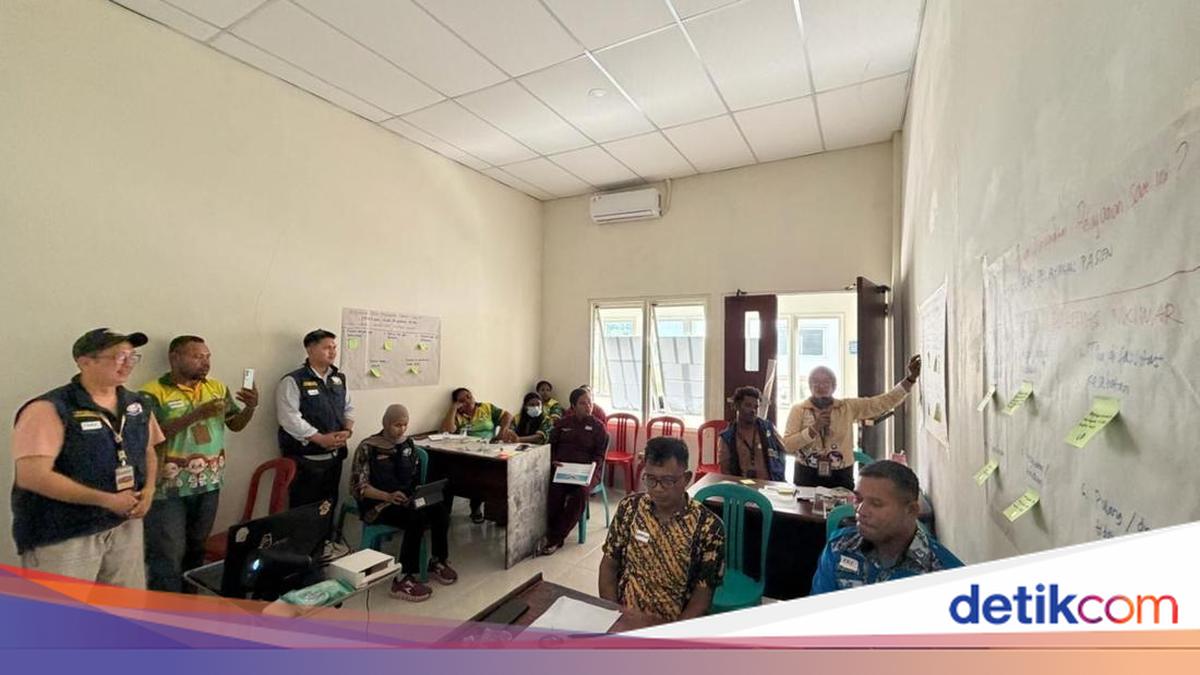
Referring patients via sea routes presents a major challenge for healthcare workers in Teluk Wondama, primarily due to the vast distances between health facilities and limited internet connectivity. This situation makes the accurate recording of patient information vital to ensure continuity of care once a patient arrives at a referral facility.
To address this need, the University of Indonesia’s (UI) Patriot Expedition Team 7 (TEP) is training local healthcare workers in the use of Electronic Medical Records (EMR). Digital recording is expected to assist in managing patient data, minimising the risk of lost or damaged records, and streamlining the referral process.
Trevino Aristarkus Pakasi, Leader of TEP UI Team 7, explained that the training was prompted by issues identified in the field. Medical record-keeping in local hospitals and community health centres (Puskesmas) is still conducted manually, making it vulnerable to loss, damage, or duplicate entries.
“With manual systems, medical records can be damaged, lost, and the data cannot be retrieved. There is also the risk of a single individual having multiple medical records,” Trevino stated in a written release on Sunday (4/10/2026).
The first phase of training was attended by approximately 20 healthcare workers. Moving forward, TEP UI plans to involve community health cadres, including those from schools and places of worship, to expand service reach to residents who still face difficulties accessing healthcare facilities.
Siti Harlina, a healthcare worker at the Windesi Community Health Centre, experienced the benefits of the training firsthand. She noted that the material provided was easy to understand and relevant to the challenges of providing services in coastal and island regions.
“The material was presented very clearly, logically, and was easy to comprehend, even for those of us working in areas with limited signal who must refer patients via sea routes, as I do,” said Siti.
The training also helped her understand the importance of digital recording in maintaining the continuity of patient care.
“After attending this training, we have a better understanding of the importance of digital transformation in healthcare services. Services become more organised, recording becomes more accurate, and most importantly, patient data becomes more secure, facilitating the referral process between health facilities,” she added.
However, the training must be accompanied by ongoing mentorship and infrastructural support. Siti hopes that the strengthening of internet networks in coastal and island regions will proceed alongside the implementation of EMR.
“My hope for the future is that training programmes like this can be sustainable with consistent mentoring. Furthermore, there must be support for strengthening network infrastructure in coastal and island regions so that EMR implementation can run optimally and equitably, even in health centres at the edge of Papua where we serve,” she said.
TEP UI’s efforts align with President Prabowo Subianto’s directive regarding the digitalisation of public services to ensure they are more accessible to the community. This was stated during the briefing of the Plenary Cabinet Session on Monday (20/7).
“The government must reach the people through technology,” President Prabowo stated.
Through this training and mentorship, TEP UI aims to bring about changes that meet the needs of healthcare workers and the community in Teluk Wondama. This spirit of assisting citizens in remote areas was also emphasised by the Minister of Transmigration, M. Iftitah Sulaiman Suryanagara.