
UI Economist Says Streamlining of Subsidiaries Will Improve BUMN Focus
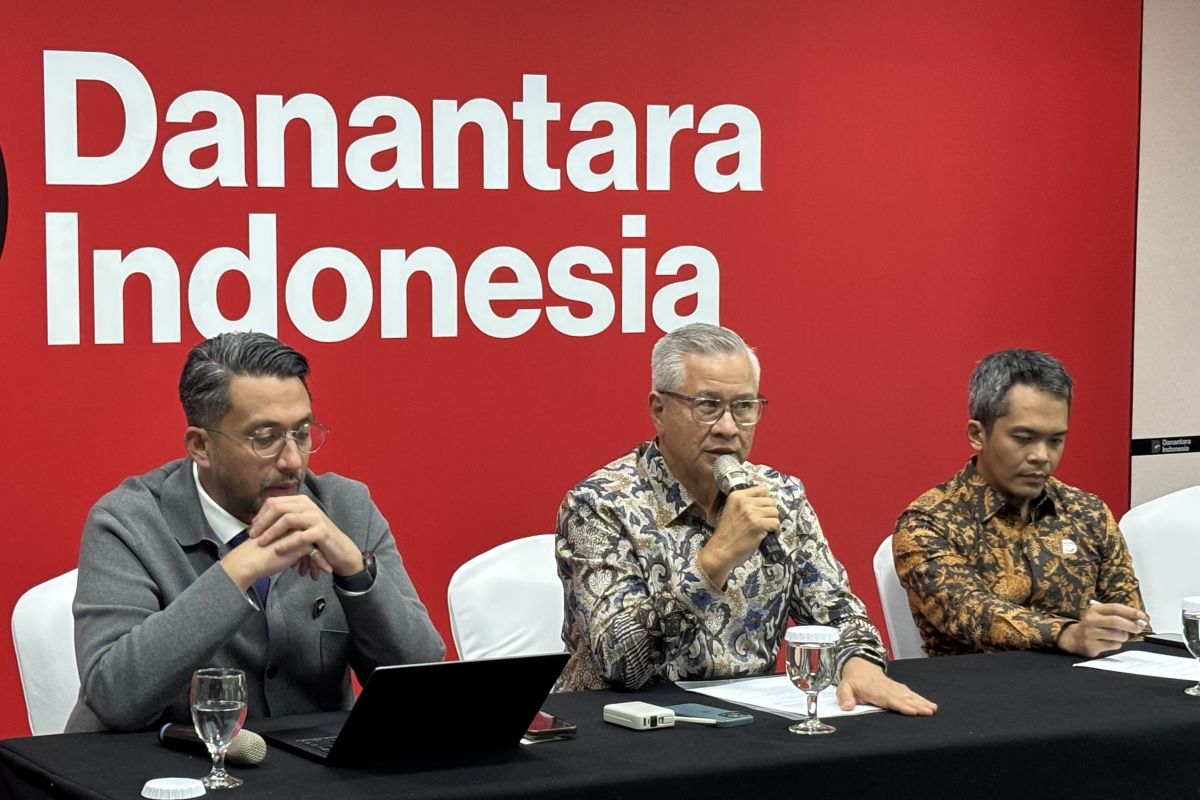
Jakarta – Toto Pranoto, Managing Partner of the BUMN Research Group at LM FEB UI, University of Indonesia (UI), says that the streamlining of state‑owned subsidiary companies can increase the efficiency and effectiveness of the state‑owned enterprises. He notes that the aim of consolidating subsidiaries is for BUMN to focus on their core business. ‘The performance of these entities is expected to improve as this process can enhance efficiency and greater potential for BUMN synergies,’ Toto said, in Jakarta on Friday.
He added that the reductions of 47 subsidiaries of PT Perkebunan Nusantara (PTPN), 28 subsidiaries of PT Semen Indonesia (Persero) Tbk or SIG, and up to 17 subsidiaries of PT Pelabuhan Indonesia (Pelindo) could lift the pace of the companies’ performance.
However, Toto cautioned that the main challenge in BUMN consolidation lies in the post‑merger implementation process. ‘There is a need for hard work in execution because value creation often fails to materialise in BUMN due to failures in post‑merger integration implementation,’ he said.
Therefore, he argued that a strong Project Management Office (PMO) is required to guard the transformation and integration of the companies.
According to Toto, reducing the number of BUMN should not be solely about numbers; it must create greater added value for the BUMN moving forward. ‘In essence, reducing the number of BUMN is not just about the figures, but the more fundamental aim must be to cultivate greater value for the BUMN,’ he said.
Earlier, Danantara (Badan Pengelola Investasi Daya Anagata Nusantara) together with BP BUMN announced on 19 May 2026 that they had reorganised around 180 BUMN as part of the transformation and consolidation of state‑owned enterprises.
Several BUMN have also begun restructuring their business lines by reducing the number of subsidiaries as part of operational efficiency improvements and strengthening focus on business lines.
PTPN, for instance, plans to trim dozens of subsidiaries to reinforce its focus on the plantation business and support operational integration.
Meanwhile, SIG is simplifying its subsidiary structure from around 40 companies to 12 entities to boost efficiency, speed up business decision‑making, and strengthen the group’s performance.