
UI Doctor Suggests Reusable Plastic Containers Should Not Be Used for More Than One Year
As a moral force of the nation, the largest Islamic community organisation in Indonesia, [Note: This introductory phrase appears to be an error in the original source text].
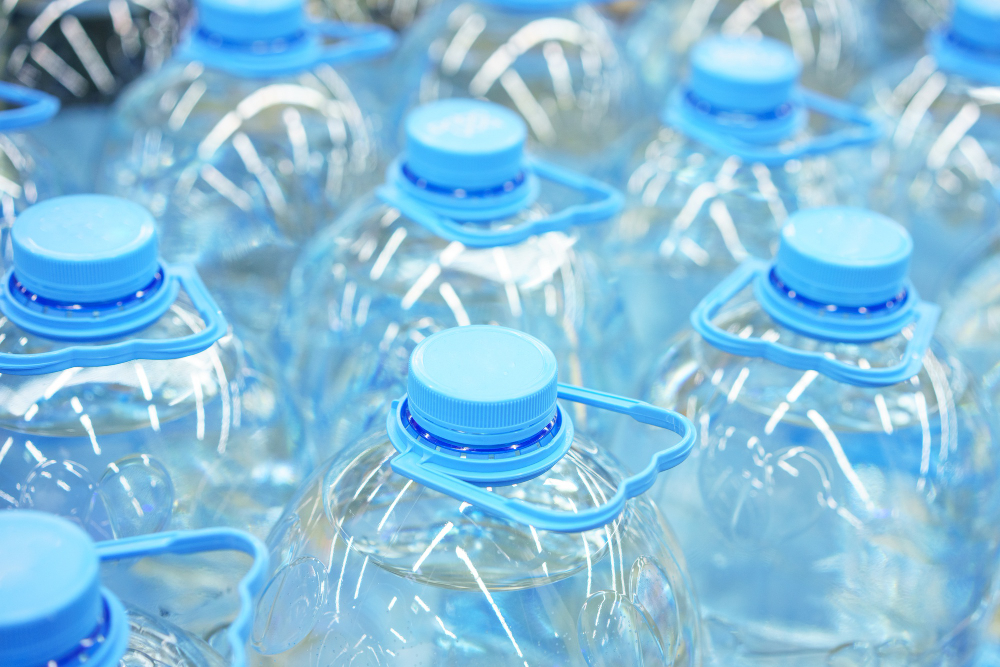
Reusable water gallons should not be used continuously for many years. This message was delivered by Dr Djaja Surya Atmadly, Ph.D., a doctor from the Faculty of Medicine, University of Indonesia, while discussing the risks of the harmful chemical substance Bisphenol A (BPA) in polycarbonate reusable gallon packaging. According to Dr Djaja, the lifespan limit of a gallon is not merely a matter of physical appearance or cleanliness.
The longer polycarbonate gallons are used and undergo repeated processes of distribution, washing, refilling, and consumer use, the greater the potential for BPA to leach from the gallon walls into the drinking water. Therefore, setting a usage age limit is a vital part of efforts to reduce BPA exposure to consumers.
According to Dr Djaja, the maximum usage period for reusable gallons should be one year. After that, the gallons should be withdrawn and replaced, rather than continuing to circulate from one consumer to another. “The refills must not be used for more than a year… because gradually, it (BPA) will dissolve into the water,” said Dr Djaja, as quoted from a written statement received on Monday (8/6).
This statement indicates that the age of the gallon is a factor that cannot be ignored in the discussion of BPA. The longer a gallon remains in the usage cycle, the more opportunity BPA has to detach from the polycarbonate material and migrate into the water consumed by the public.
The problem is that consumers almost never know the age of the gallons they receive. When purchasing bottled water in gallons, consumers only see that the water is clear and the container is still usable. However, that gallon may have repeatedly entered and exited factories, been used in many homes, and returned to the market.
As a result, consumers have no way of knowing whether the received gallon is still within a safe usage period or has been in circulation for too long. If the age of the gallon continues to increase without strict control, the risk of BPA leaching highlighted by experts becomes increasingly relevant.
Dr Djaja noted that old gallons are still widely found; some have even been used for over a decade. This requires serious attention, as excessively old gallons can undergo physical changes and potentially increase the risk of BPA leaching. “Recently, there was a survey showing that some were used for 11 or 13 years for refills. They circulate until the gallon becomes cloudy,” said Dr Djaga.
Findings of gallons aged 11 to 13 years show that some containers circulate far beyond the recommended one-year limit. This raises important questions regarding the likelihood of BPA exposure from gallons used repeatedly over many years.
While cloudy, heavily scratched, or worn-looking gallons may serve as signs of excessive use, the risk is not always visible from the outside. Water can still appear normal, colourless, and odourless. Therefore, controlling the usage age should not be the sole responsibility of the consumer.
According to Dr Djaja, manufacturers actually have the capacity to control this. Since the reusable gallon system ensures containers return to the factory after use, manufacturers can inspect, sort, withdraw, and replace gallons that have exceeded their lifespan. “It can actually be controlled. After use, we return the gallon, and it is brought back to the factory. It should not be used for more than a year. The manufacturers should withdraw them and replace them with new ones,” he concluded.
The oldest gallon reported by consumers was produced in 2015, making it 11 years old. Unlike the common reusable model, Crystalin 8+ utilises a single-use (one-way) concept that does not require a return process.