
UI Cultural Figure: Make History a Bulwark of Nationalism
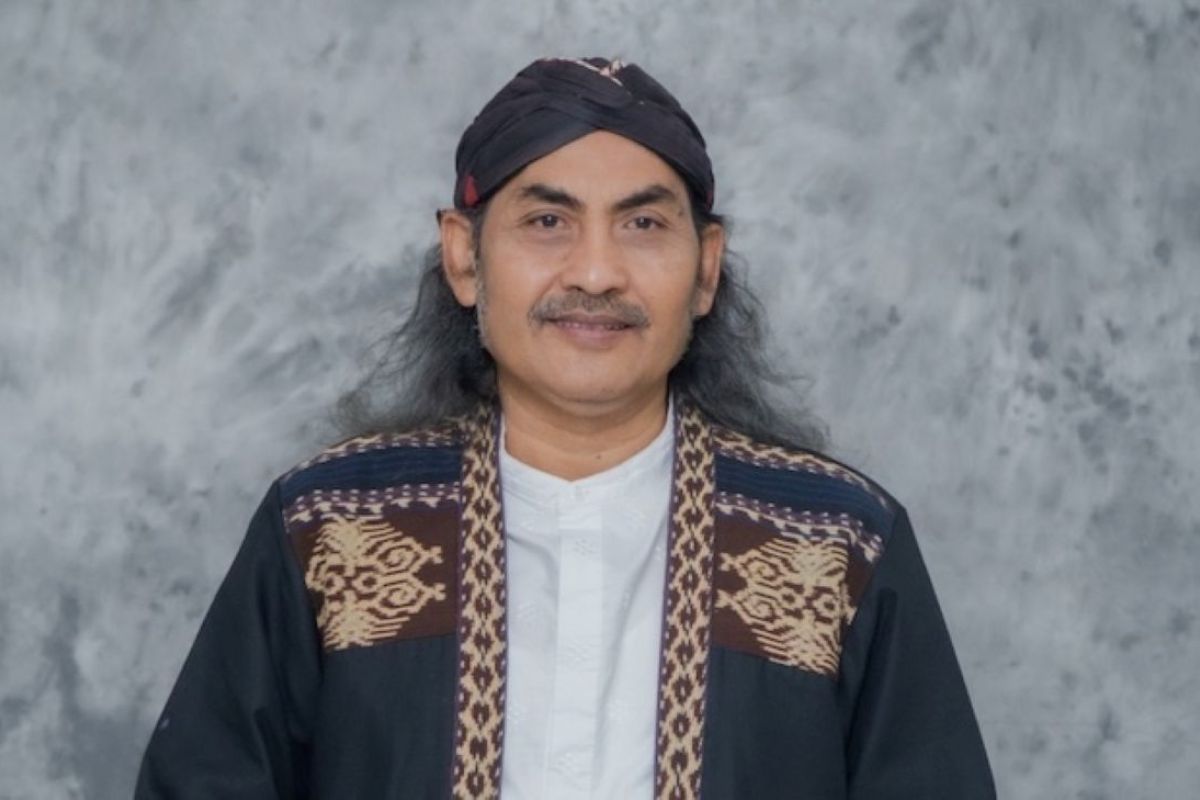
Jakarta (ANTARA) - University of Indonesia (UI) historian and cultural figure Ngatawi Al-Zastrow, speaking on Heroes’ Day, stressed the importance of making stronger historical literacy a social-defence priority and a cultural bulwark for young people.
He said transnational radical movements deliberately isolate the younger generation from the history of their own civilisation by using romanticised historical narratives that lack a sound basis.
“Romanticising history is how they indoctrinate people while launching destructive criticism of present-day realities. They idealise the history of the caliphate (an Islamic state) as an instrument for brainwashing the community,” Zastrow said in a statement in Jakarta on Wednesday.
The UI cultural director said narratives promoting the revival of transnational systems such as Islamic State or the caliphate were, in essence, a form of religious commodification that capitalised on young people’s psychological anxieties.
“They idealise the history of the caliphate as an appealing narrative, a beautiful instrument, and embellish it with religious claims.”
The propaganda, he continued, was deliberately designed to delegitimise the nation-state consensus, obscure the collective memory of Indonesia’s heroes’ struggle and erode the national identity of young people who are vulnerable to radical ideologies.
“Romanticising the history of the caliphate is appealing because it is embellished with claims about religion and God. This appeals to those who are troubled and then seek support in religion,” said Zastrow.
The sociology doctorate, who graduated from the University of Indonesia, said that if the nation’s history were explained properly and accurately, the history of the caliphate being offered would find no market, because the history of civilisation in the Nusantara was no less remarkable.
In terms of resilience, Zastrow said that fading knowledge of the nation’s roots would leave a generation more vulnerable to radical ideas and with a weaker sense of nationalism.
He outlined three fundamental functions of history for a nation’s survival. First, history serves as a route map for civilisation, providing direction and orientation towards the future.
Second, history is a living reference that equips generations with a compass of values and empirical lessons, so they are not easily deceived or set against one another by foreign geopolitical agendas. Third, history is a source of knowledge.
“If people do not understand history, they can easily be dictated to by other nations. That is the danger of a generation blind to its own history,” he said.
To curb the spread of sectarian ideologies that threaten this consensus, Zastrow recommended strategic measures across several areas.
The most fundamental step, he said, was to ensure the state guarantees social justice and welfare, as economic vulnerability often provides an entry point for provocative narratives.
The state must also uphold the law and protect the dignity of every citizen without discrimination.
“If people already feel prosperous and treated fairly, their propaganda will be futile,” Zastrow said.
In the social and religious sphere, he said, a shift should be encouraged from a merely symbolic and formal approach to religion towards a far more substantive and culturally grounded understanding.
On Heroes’ Day, Zastrow offered a key reflection for young people, students and Islamic boarding-school pupils amid globalisation.
He stressed the importance of understanding the nation’s history as a reference point for competing and engaging in the digital era. His hope, he said, was that they would not become a lost generation, swept along and submerged by the tides of globalisation.
Source: jawawa.id (https://jawawa.id/newsitem/ui-cultural-figure-make-history-a-bulwark-of-nationalism-1794376348)
Originally published by Antara (Indonesian) (https://www.antaranews.com/berita/5845927/budayawan-ui-jadikan-sejarah-sebagai-benteng-nasionalisme-bangsa), translated from Indonesian