
UI Becomes Indonesia's Sole University to Penetrate 5 QS WUR 2026 Broad Subjects
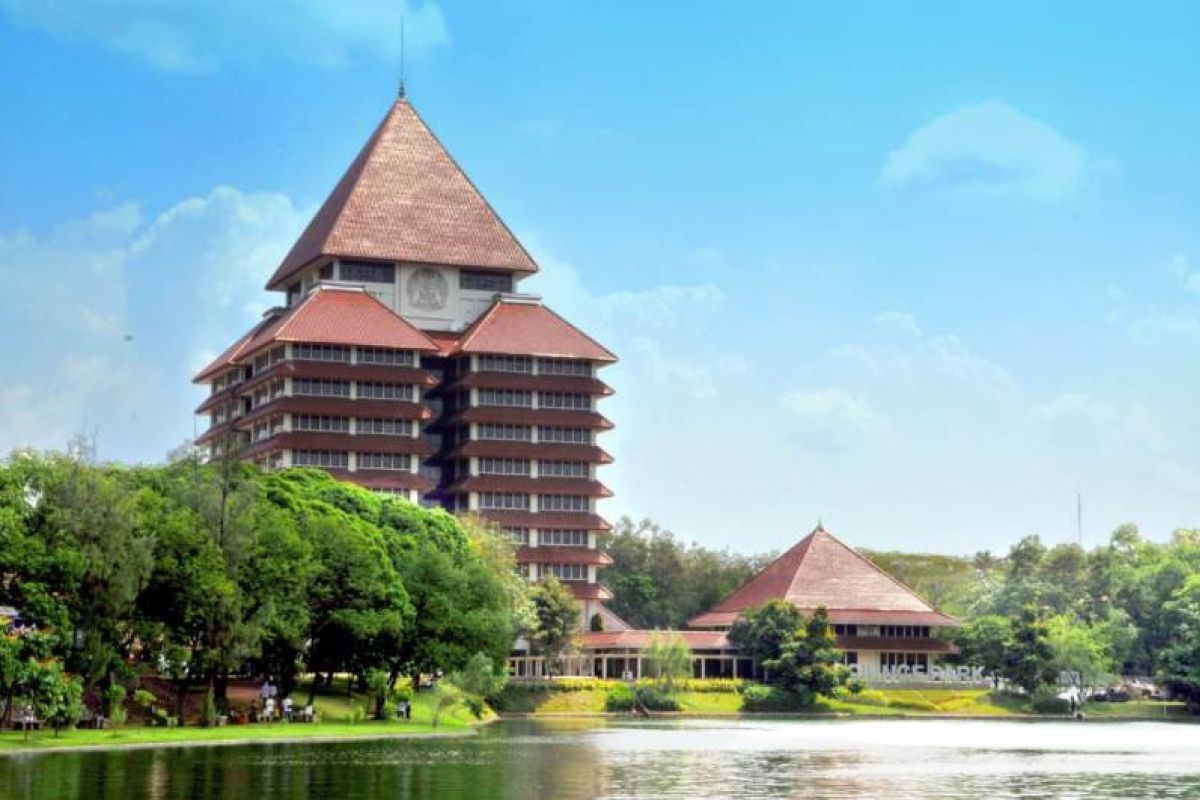
Universitas Indonesia (UI) has reaffirmed its dominance at the national level while strengthening its position as one of Southeast Asia’s major forces in the QS World University Rankings (WUR) by Subject 2026. For the first time, UI’s academic clusters have entered five broad subjects: Arts & Humanities, Social Sciences & Management, Engineering & Technology, Life Sciences & Medicine, and Natural Sciences. This achievement represents an improvement from the previous year, which covered only four broad subjects.
UI Rector Heri Hermansyah stated that although UI has recorded this accomplishment, it still needs to encourage more fields of study to penetrate the Top 3 in Southeast Asia and gradually enter the world’s top 100.
“These efforts greatly depend on strengthening research quality, expanding international collaborations, and increasing high-impact global publications. This strategy is designed to balance specific strengths with quality distribution, so the transformation towards a world-class research university is not just a vision, but an ongoing and increasingly directed process,” he explained on Thursday (2/4).
UI has improved its rankings in all broad subjects. The Social Sciences & Management cluster ranks 146th globally, up from 176th the previous year. Improvements also occurred in Arts & Humanities at 168th (from 190th), Life Sciences & Medicine at 281st (from 331st), and Engineering & Technology, which surged to 262nd (from 368th). Meanwhile, Natural Sciences entered the global rankings for the first time at 451-500.
Additionally, UI holds the 1st position in Indonesia in three broad subjects: Arts & Humanities, Life Sciences & Medicine, and Social Sciences & Management, all of which are in the Top 10 in Southeast Asia. This rise indicates a more structural transformation. UI is not only relying on its traditional strengths in social-humanities fields but is also beginning to strengthen its foundations in science and technology. The surge in Engineering & Technology is one of the clearest indicators of this change.
At the narrow subject level, UI recorded 30 fields of study entering the global rankings, up from 27 the previous year. Four of them penetrated the world’s top 150. Three fields even entered the global top 100: Anthropology, Library & Information Management, and Law, which ranks 96th worldwide. Meanwhile, Dentistry is in the 51-150 group worldwide.
These fields reflect academic excellence while serving as “reputation engines” that boost UI’s visibility globally. In international ranking systems, success in penetrating the top 100 has a significant impact on the overall perception of institutional quality.
Behind these four fields, there is a supporting layer that expands the base of excellence. Accounting & Finance, Development Studies, Social Policy, and Languages are in the 101-150 group worldwide, while Architecture & Built Environment, English Language & Literature, Linguistics, Business and Management Studies, Communication and Media Studies, Politics and International Studies, Sociology, Computer Science & Information Systems, Medicine, and Geography occupy the 151-300 range worldwide.
Not only excelling in global achievements, UI’s narrow subjects also lead nationally and in Southeast Asia. As many as 16 fields of study hold the 1st position in Indonesia, and 12 others are in 2nd place.
Meanwhile, at the regional level, UI is moving from being mere competitors to part of the regional elite group. Three fields of study have penetrated the Top 3 in Southeast Asia: Library and Information Management, Politics and International Studies, and Social Policy and Administration.
Additionally, six fields of study entered the Top 5 in Southeast Asia, including Modern Languages, Accounting and Finance, Anthropology, Development Studies, Law and Legal Studies, and Social Policy and Administration.
The dominance of social-humanities fields in this list shows that UI’s historical strength in those clusters has now transformed into competitive advantages at the regional level. Meanwhile, other fields like engineering, science, and health are still in the Top 10 to Top 15 in Southeast Asia.
The QS WUR by Subject 2026 achievements place UI at a crucial point in its journey. The foundation as a national leader is solid, while the foothold as a Southeast Asian force is beginning to form. The next challenge is to accelerate the leap towards the group of universities with stronger global influence.
Source: jawawa.id (https://jawawa.id/newsitem/ui-becomes-indonesias-sole-university-to-penetrate-5-qs-wur-2026-broad-subjects-1775123469)
Originally published by Media Indonesia (https://mediaindonesia.com/humaniora/875680/ui-jadi-satu-satunya-kampus-di-indonesia-yang-tembus-5-board-qs-wur-2026), translated from Indonesian