
UI and IDAI Step Up Preparedness among Health Workers and Facilities to Address the Effects of Forest and Land Fires
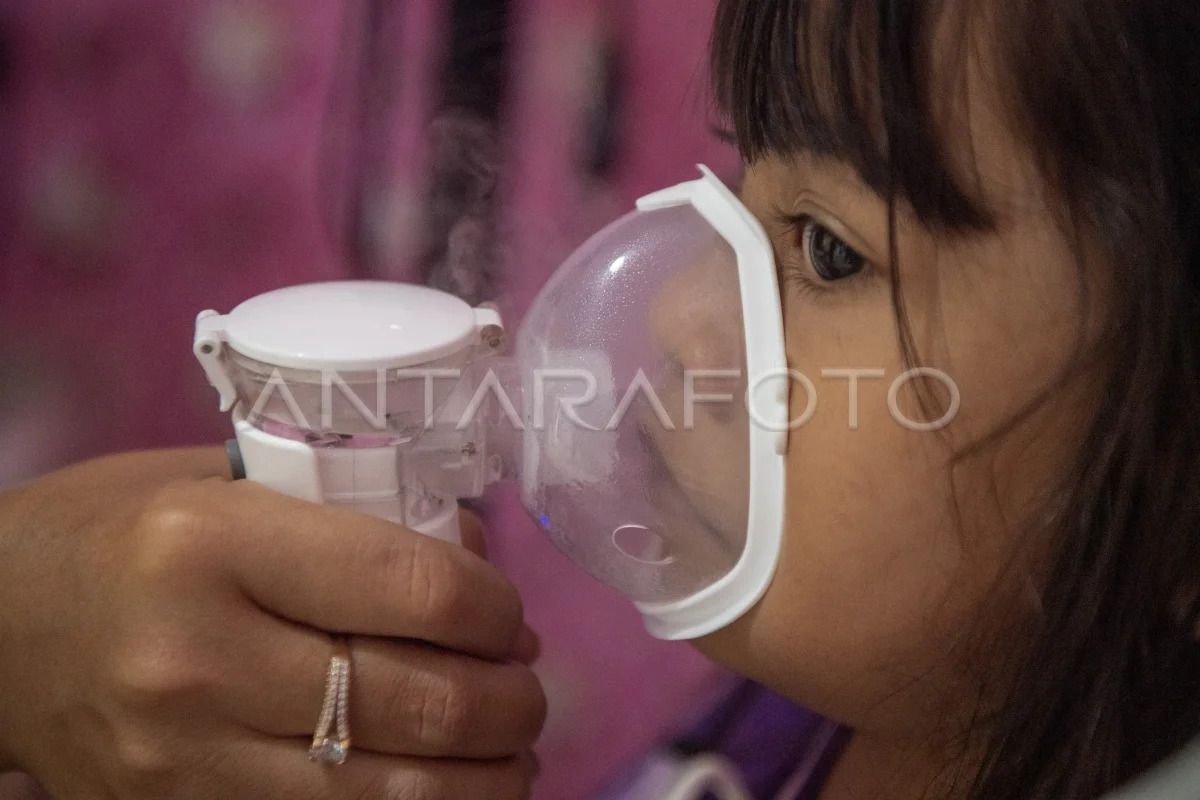
Jakarta (ANTARA) — The University of Indonesia and the Indonesian Paediatric Society (IDAI) are taking a number of steps to address the health impacts of forest and land fires affecting seven provinces, including improving the preparedness of health workers and facilities.
“We are also coordinating with colleagues in the affected regions, local governments and health offices, as well as donors who may be able to provide assistance,” said Anna Rozaliyani, Dean of the University of Indonesia’s Faculty of Medicine, in Jakarta on Friday.
She said the Faculty of Medicine usually has a medical team ready to deploy to disaster areas. However, she added, there are circumstances that make this impossible, including safety concerns.
“That is why we are also encouraging evidence-based policies, which the government and all stakeholders can subsequently implement and evaluate,” she said.
Anna said protecting the nation’s children was not the responsibility of just one institution, but of everyone. The government, she said, should strengthen the measures already under way, including preventing further forest burning, putting out fires and enforcing the law.
“Businesses also have the same responsibility. We hope the public will not panic and will help where they can. It is also important for the media to disseminate accurate information and guide people towards appropriate action,” she said.
She noted that reports of child deaths could not automatically be attributed directly to smoke.
She also called for stronger solidarity, coordination and cross-sector cooperation.
The public was urged to monitor air quality, reduce exposure to smoke by staying indoors or in a safe place, and seek medical attention for health problems.
Anna warned that children, along with older people and those with respiratory illnesses, were among the groups most vulnerable to the effects of fine particulate matter, or PM2.5.
The particles, she said, are extremely small and can penetrate the branches of the lungs and travel even further. They can trigger respiratory problems, worsen asthma and other respiratory conditions, cause health complications and, where severe risk factors are present, even lead to death.
“Children never choose to live amid a disaster. They too have a right to clean air. We therefore have a responsibility to provide them with the best protection and safeguard their health,” she said.
She hoped these efforts would not only help tackle the forest fires, but also protect the lives, health and future of Indonesian children.
Source: jawawa.id (https://jawawa.id/newsitem/ui-and-idai-step-up-preparedness-among-health-workers-and-facilities-to-address-the-effects-of-forest-and-1792158818)
Originally published by Antara (Indonesian) (https://www.antaranews.com/berita/5791933/ui-idai-tingkatkan-kesiagaan-nakes-fasilitas-tangani-dampak-karhutla), translated from Indonesian