
UGM Students Research Papaya and Carica Seeds to Combat Liver Fluke in Cattle
Liver fluke infection, or fasciolosis, remains a serious threat to Indonesia’s livestock sector. Caused by the Fasciola sp. parasite, this disease not only reduces livestock productivity but also leads to economic losses, as cattle livers often have to be discarded during post-slaughter inspections.
This condition is exacerbated by the zoonotic nature of the parasite, meaning it can infect humans through food consumption or exposure to environments contaminated with metacercariae.
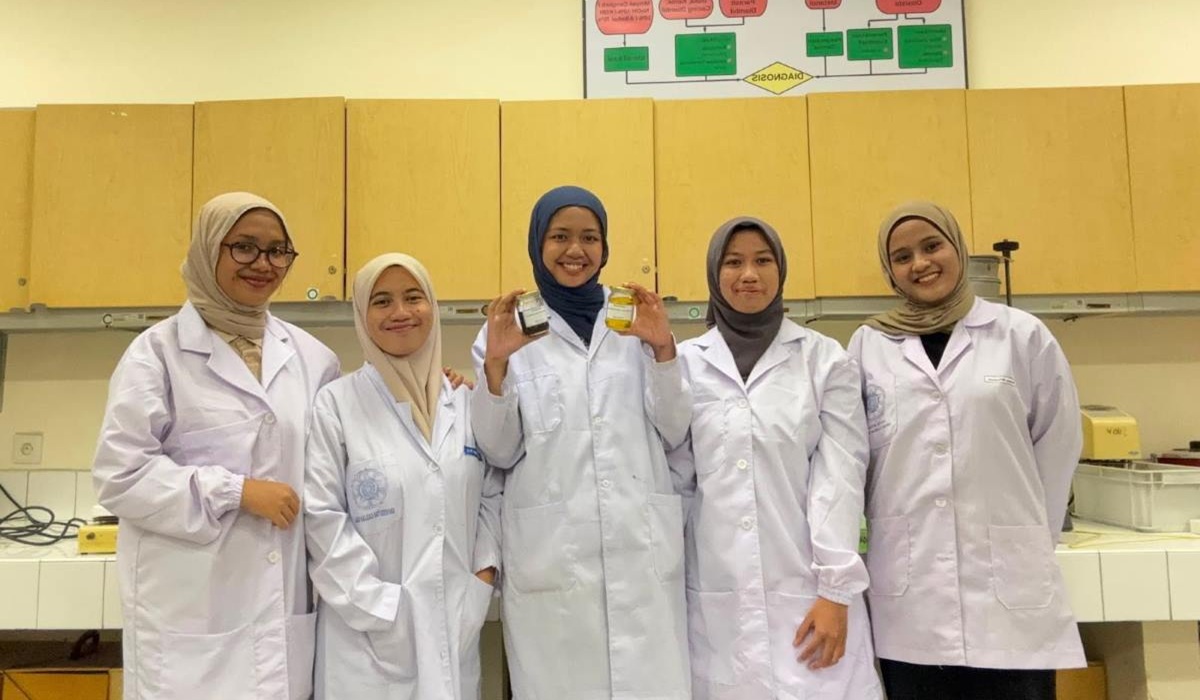
In response to these challenges, a group of students from Universitas Gadjah Mada (UGM), part of the 2026 Student Creativity Program for Exact Research (PKM-RE), has innovated by utilising fruit seed waste. The team, named FASCIORICA, is developing research on the use of papaya seed (Carica papaya L.) and carica (Vasconcellea pubescens) extracts as potential natural ovisidal (egg-killing) agents against Fasciola sp. eggs.
Under the guidance of Dr Vika Ichsania Ninditya from the UGM Faculty of Veterinary Medicine, the team consists of five students from the 2024 cohort with diverse scientific backgrounds.
The team leader, Nabila Hanifa Putri, explained that the choice of papaya and carica seeds was based on their abundant availability as fruit processing by-products that have not yet been optimally utilised. Both contain bioactive compounds with the potential to inhibit parasite development.
“We want to see if materials that have long been considered fruit processing waste can provide added value in parasite control,” Nulpila stated in Yogyakarta on Thursday (17/9/2026).
The research originated from concerns regarding the high prevalence of fasciolosis. In the Sleman region of DIY, the incidence rate in cattle has reached 47.2%. Currently, farmers rely heavily on synthetic antiparasitic drugs, which carry the risk of inducing resistance.
In their experiment, the team sourced papaya seeds from Sleman and carica seeds from Wonosobo. Both were processed into extracts and tested against Fasciola sp. eggs through various concentrations and combinations.
Analysis results indicate that the combination of both extracts possesses strong potential as an ovisidal agent against Fasciola gigantica eggs. Physical damage to the eggs ensures that the parasite cannot further develop into the infective stage.
The FASCIORICA team hopes these findings can serve as a sustainable alternative for parasite control in the livestock sector.
“This research not only explores alternatives for parasite control but also opens opportunities for utilising fruit processing by-products into value-added materials,” Nabila concluded.