
UGM Student-Made Sandals Can Detect Diabetes Complications
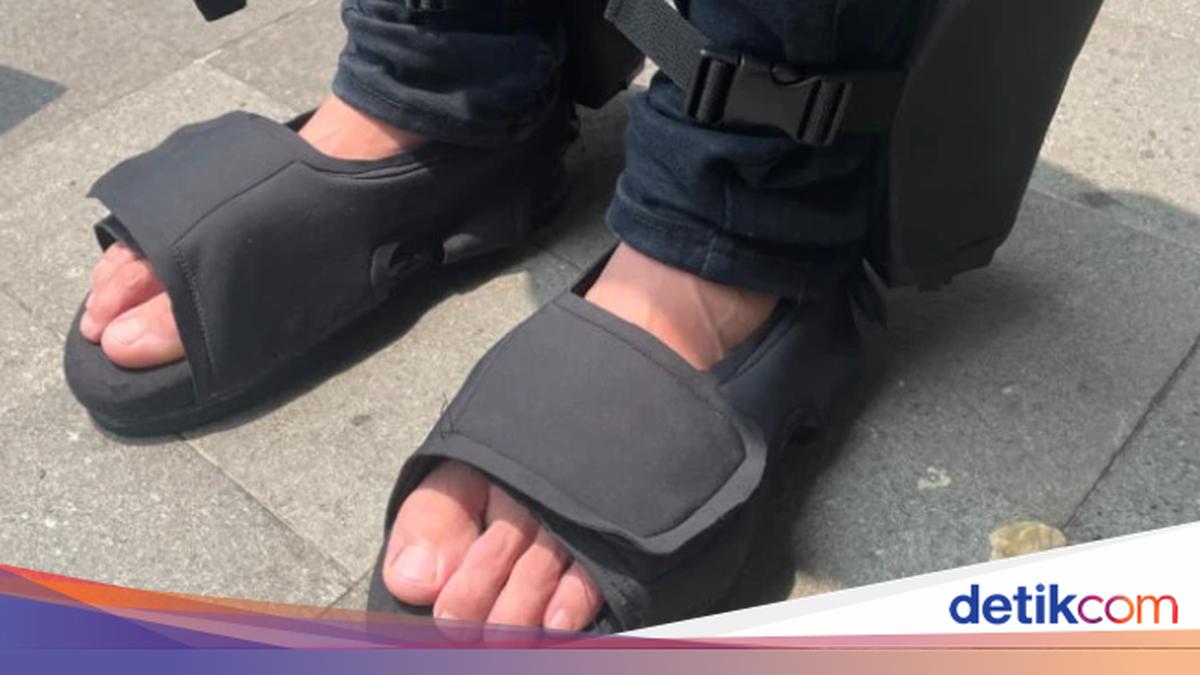
A group of students from Universitas Gadjability Mada (UGM), part of the Student Creativity Programme in the field of Karsa Cipta (PKM-KC), have developed Glucowrap. Glucowrap is a smart sandal designed to assist in the early detection of changes in foot conditions for patients with Type 2 Diabetes Mellitus (DM) who suffer from nerve impairment that reduces foot sensitivity.
Currently, this innovation has undergone feasibility and safety testing on Type 2 diabetes patients at the Korpagama Clinic in Yogyakarta. Glucowwrap is an open-style sandal equipped with several sensors that function to monitor the condition of the feet during use.
These sensors monitor pressure, temperature, and moisture levels of the feet. The collected data is then processed and categorised into three groups: normal, low risk, and high risk. The monitoring results can be viewed directly through a mobile application, allowing users to identify changes in foot conditions that require attention.
Glucowwrap was developed by five students from various disciplines: Rina Putri Cahyati (Nursing) as the team leader; Hanif Abinawa (Electronics and Instrumentation) and Mohammad Latif Ananda (Electrical Engineering Technology); Dhimas Early Oceandy (Computer Science); and Ulfan Syarif (Forestry). The team is supervised by Ir. Ma’un Budiyanto, S.T., M.T., IPU. The development of Glucowwrap also received funding from the Directorate of Learning and Student Affairs (Belmawa) through the PKM-KC scheme.
The Glucowwrap team leader, Rina Putri Cahyati, explained that the development of this innovation was driven by the high risk of diabetic foot ulcers in diabetes sufferers. Peripheral neuropathy can reduce foot sensitivity, meaning patients may sometimes be unaware of pressure, friction, or changes in their foot condition.
“Peripheral neuropathy can reduce foot sensitivity, so patients sometimes do not realise there is pressure, friction, or changes in the condition of the feet. If not recognised and treated early, these conditions can develop into more serious wounds,” she stated on Tuesday (15/9/2026), as quoted from the official UGM website.
Furthermore, Rina emphasised that Glucowwrap was not only developed as a monitoring tool but also with user comfort in mind. “We want Glucowwrap to not stop as just a monitoring tool, but also to help patients recognise their foot condition earlier while providing comfort through the supporting features within it,” she said.
To support comfort during use, Gluc_wrap uses bio-textiles made from bamboo fibres processed with chitosan on the parts that touch the skin. This material was developed as an antibacterial layer and to help maintain the condition of the feet. Additionally, Glucowwrap is equipped with thermal stimulation and low-intensity micro-vibration features to enhance comfort during use.
During the testing phase, patients first underwent screening using a 10-gram Semmes-Weinstein monofilament to assess the level of foot sensitivity according to the research criteria. Afterwards, patients used Glucowwrap and performed a 15-minute walking test to record data from the sensors. The team also tested the thermal and micro-vibration features, checked the condition of the skin after use, and asked patients to complete questionnaires regarding the comfort and ease of use of both the device and the application.
The testing was supported by the Korpagama Clinic through the provision of facilities and the recruitment of patients meeting the research criteria. The research protocol has also received ethical clearance from the Medical and Health Research Ethics Committee of the Faculty of Medicine, Public Health, and Nursing (FK-KMK) UGM.
Future testing results will serve as evaluation material for the Glucowwrap team to refine the prototype, both in terms of design, comfort, and sensor performance. This evaluation is part of the development process before Glucowwrap enters further testing and development stages. Nevertheless, Rina emphasised that Glucowwrap is still in the development and testing phase.
“Glucowwrap is currently still being developed and is not intended to replace medical examinations or treatments. This device is designed only as an aid to monitor foot conditions,” she noted.
Moving forward, the Glucowwrap team hopes this innovation can continue to be developed into a practical, affordable, and easy-to-use device to help people with diabetes monitor their foot condition more early. “We hope Glucowwrap can continue to be developed so that it can eventually become a practical and easy-to-use device, while helping those with diabetes to be more aware of their foot condition and perform early care,” concluded Rina.