
UGM Spokesperson Reveals Crisis Communication Strategy Behind Jokowi Diploma Issue
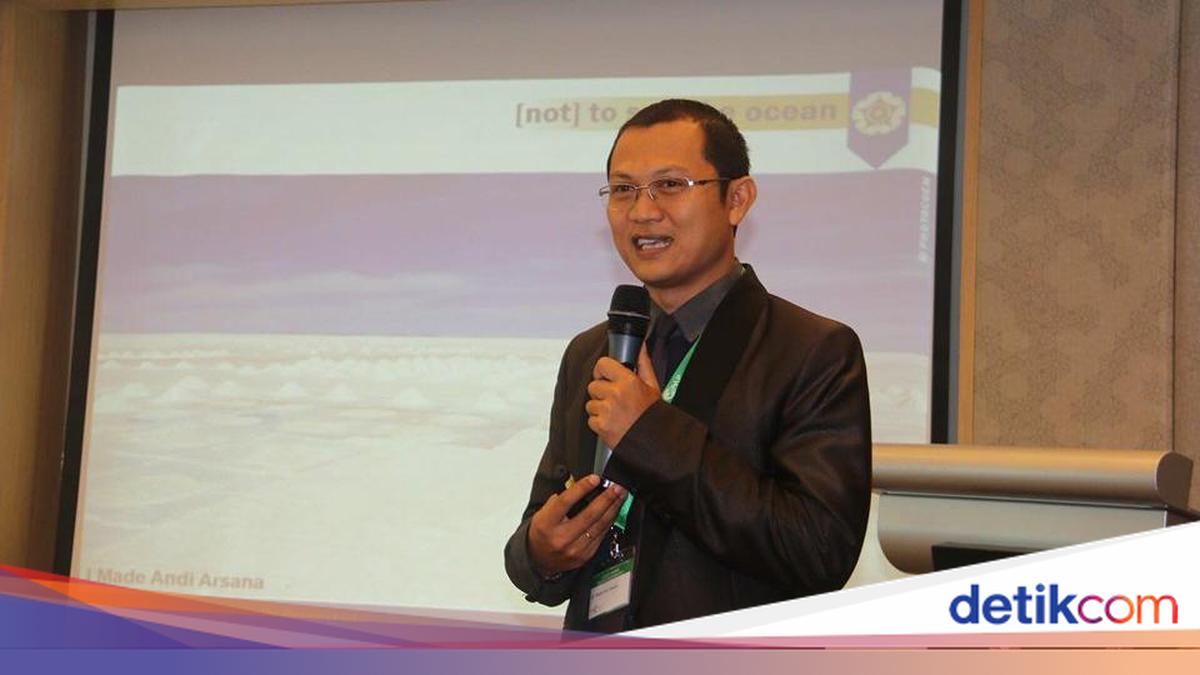
Juru bicara Universitas Gadjah Mada (UGM), I Made Andi Arsana, has revealed the strategy he employed when dealing with the issue of President Joko Widodo’s diploma. He stated that crisis communication management requires not only the ability to convey messages but also a comprehensive understanding of the issue at hand. Andi made these remarks during the Strategic Communication Policy and Technical Guidance forum on Managing Higher Education Crises in the Digital Era, held in Jakarta on Wednesday (22/7/2026).
Andi explained that when entrusted as UGM’s spokesperson to handle the diploma controversy, he first requested time to study the matter thoroughly before issuing any statements to the media. This process involved discussions with university leaders, faculty members, the university secretariat, and the public relations team. “I wanted to understand first what actually happened. If we are confident in the truth, we can convey the message more calmly,” he said in a written statement.
According to Andi, a firm grasp of the substance of the issue is the main asset that prevents a spokesperson from being easily swayed by the various opinions circulating in the public sphere. He stressed that the verification process is not merely an administrative procedure but a crucial step in building public trust. “If we ourselves are still in doubt, it will be difficult to convince others. Understanding the facts is the first step that must not be skipped,” he said.
Beyond ensuring the accuracy of information, Andi also highlighted the importance of a spokesperson’s commitment to continuous learning, especially when handling issues outside their area of expertise. He admitted to having studied various medical terms, laboratory processes, and research findings in order to explain matters accurately to the public. Discussions with experts, he continued, are a vital part of strengthening understanding so that the information delivered remains precise. “Not every case aligns with our academic background. Therefore, do not hesitate to learn and discuss with the experts,” he stated.
Andi also underscored the importance of maintaining a boundary between personal identity and professional responsibility. As an academic and a content creator, he must be able to distinguish between issues suitable for discussion on his personal account and those that must be addressed as a representative of the institution. “We must be able to choose what is appropriate to convey as an individual and what must be delivered as a representative of the institution,” he said.
In his concluding remarks, Andi reminded the audience that crisis communication does not always necessitate an immediate public statement. In certain situations, he noted, exercising restraint is a more appropriate communication strategy while the handling process is still underway. “Sometimes silence does not mean inaction. In fact, it can be the wisest choice until we are truly ready to deliver information to the public,” he concluded.