
UGM Professor: Lombok's History Neglected in National Narrative
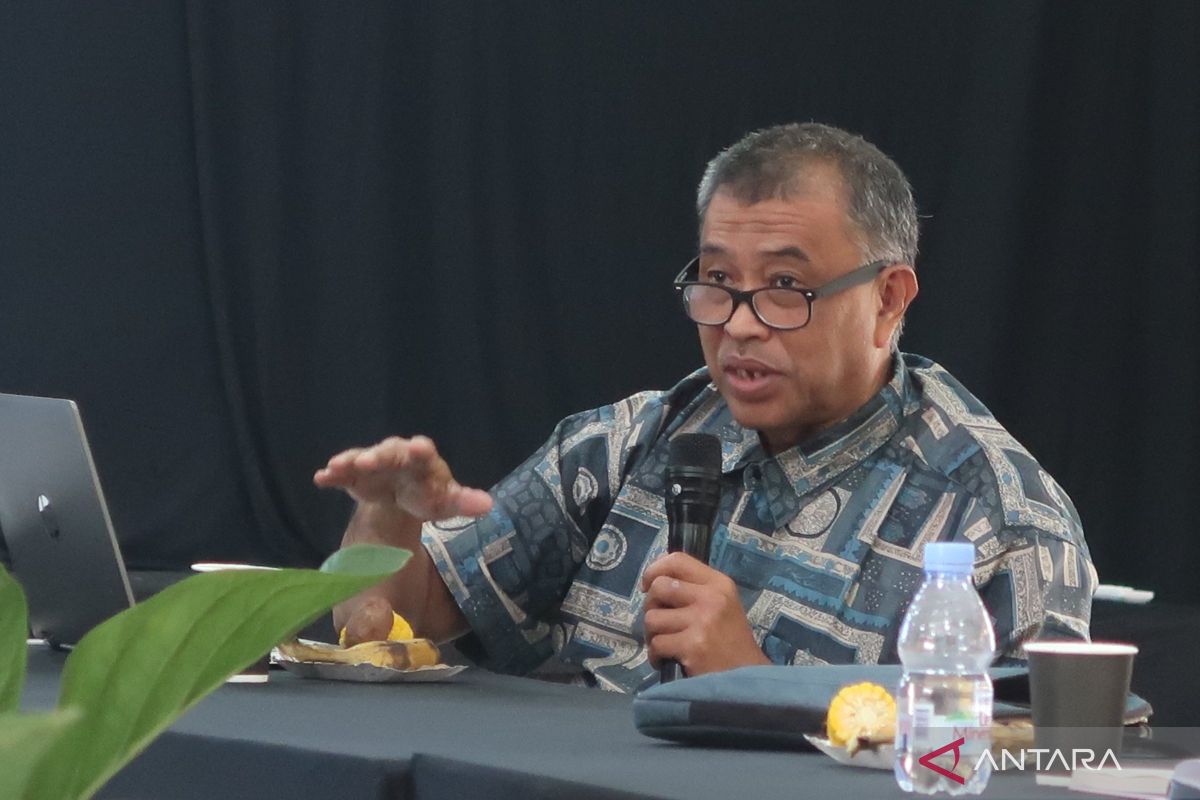
A Gadjah Mada University (UGM) history professor has stated that Lombok’s history, which encompasses diversity and identity, has not received adequate attention in Indonesia’s national narrative. Bambang Purwanto said that Nusa Tenggara Barat in general, or Lombok in particular—and more specifically the 1894 war—is not only forgotten but deliberately overlooked for the good of Indonesia. He made the remarks during a focus group discussion titled ‘Exploring New Futures for Indonesian Objects’ at the NTB Museum in Mataram on Tuesday.
Bambang explained that he and a number of researchers from the Netherlands are currently using Lombok as a case study to understand the journey of the Indonesian nation’s history. He noted that the public currently only knows Lombok’s history superficially, limited to tales of kingdoms, the syncretic belief system of Watu Telu, or the Lombok War of 1894. The history of Cakranegara, a colonial city of the Karangasem Kingdom, is often understood merely as a conflict between the Sasak and Balinese communities, whereas there are many stories about the community’s ability to build togetherness amidst differences.
The Taman Narmada area in West Lombok, typically associated with Hindu worship, is in fact filled with activities by the predominantly Muslim Sasak people. In certain episodes spanning decades, people managed to build unity in diversity. Bambang also touched on the stories of Dende Fatimah and Dende Aminah as part of the social dynamics within the Cakranegara Palace, the centre of the Karangasem Kingdom’s administration. He also noted the cultural practice of reciting the Barzanji or the Hikayat Nabi for newborns aged one month and seven days within the palace environment, which demonstrates a space for cultural and religious encounter. He emphasised that such a practice taking place inside a Hindu palace is not a simple matter, showing how people in that era managed to reconcile differences and build common ground.
Various historical realities show that Lombok’s cultural heritage is not only in the form of historical objects but also values, social practices, and experiences of coexistence that remain relevant for Indonesia today. The ongoing collaborative research will be published in several formats, including a book and an exhibition planned to be held in Lombok in 2027.