
UGM highlights root causes of ancient manuscript trade in Lombok
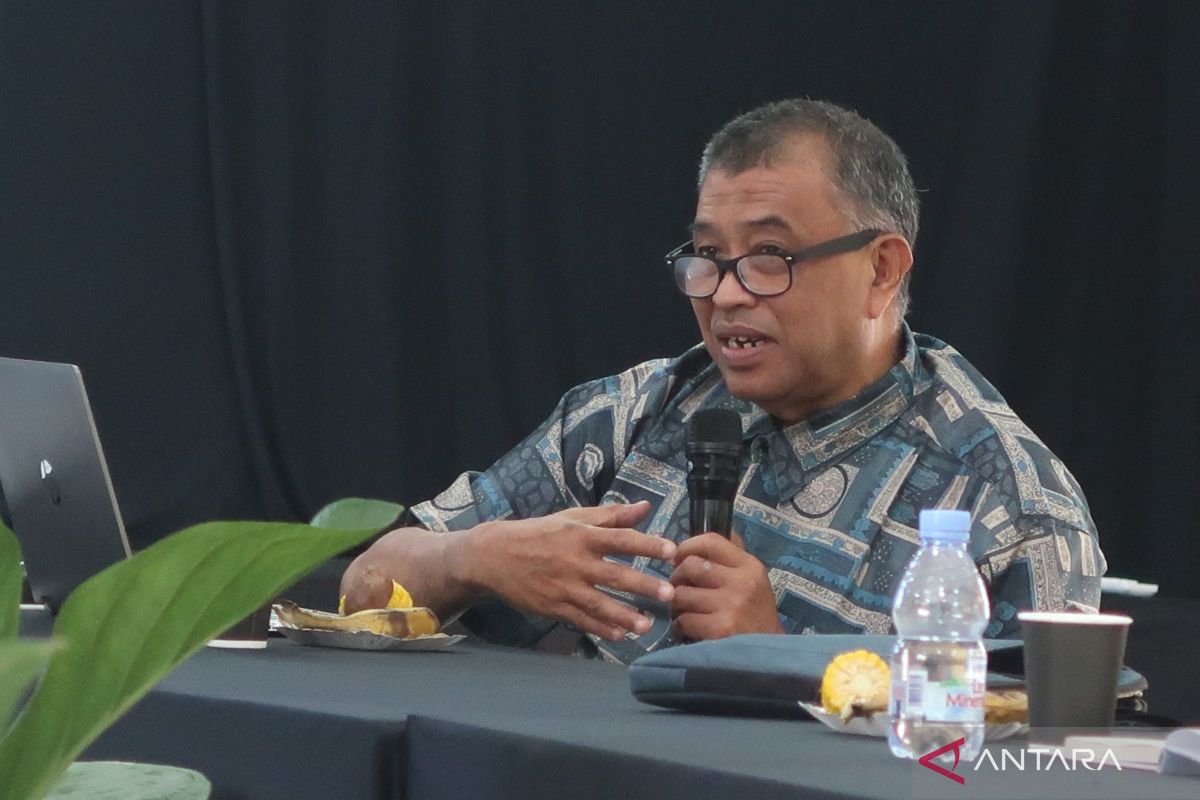
Guru Besar Sejarah Universitas Gadjah Mada (UGM) Bambang Purwanto assessed that the rampant practice of buying and selling ancient manuscripts in Lombok, West Nusa Tenggara (NTB), cannot be resolved simply by prohibiting the public from selling these documentary heritages. “The conditions that create their understanding of ancient manuscripts as commodities mean that what is sought is economic gain,” he said during an interview after a focus group discussion titled Exploring New Futures for Indonesian Objects at the NTB Museum in Mataram on Tuesday. Bambang explained that the trade in ancient manuscripts is a classic problem rooted in how society interprets cultural heritage. The public only views ancient manuscripts as economic commodities, which is why the practice of buying and selling has become widespread. If they regarded these manuscripts as cultural objects, then the community would certainly not sell these handwritten artefacts to outsiders. He stressed that efforts to stop the trade cannot be carried out by blaming the people who sell their collections to tourists or collectors. He further conveyed that cultural heritage preservation should not only focus on saving the physical objects but also on maintaining the knowledge and skills that produced that heritage. The ability to write on lontar leaves, craft kris, make traditional ceremonial equipment, and various other traditional skills must continue to be passed down so they do not become extinct. Bambang expressed hope that the state would be present to facilitate historical and cultural preservation efforts by providing space for communities to maintain their traditions so they no longer depend on selling ancient objects. The Pasirputih Foundation, which conducts art and cultural research based in North Lombok, revealed that the practice of selling ancient manuscripts has been ongoing for a long time, with prices varying from hundreds of thousands to tens of millions of rupiah. Muhammad Sibawaihi, Programme Director of the Pasirputih Foundation, stated that the main reason residents sell ancient manuscripts is to exchange them for basic household needs. In fact, the manuscript trade has now become part of the tourism business. “I met several people who, in the past and even now, have groups that sell ancient manuscripts to tourists,” Sibawaihi said. The Pasirputih Foundation noted that the lontar literacy tradition still survives in North Lombok. A number of elders and young people are still able to read and write ancient scripts on lontar leaves. This skill requires preservation efforts, considering that each historical period has different character sets and writing techniques.