
UGM expert says Pertamax price increase realistic for fiscal stability
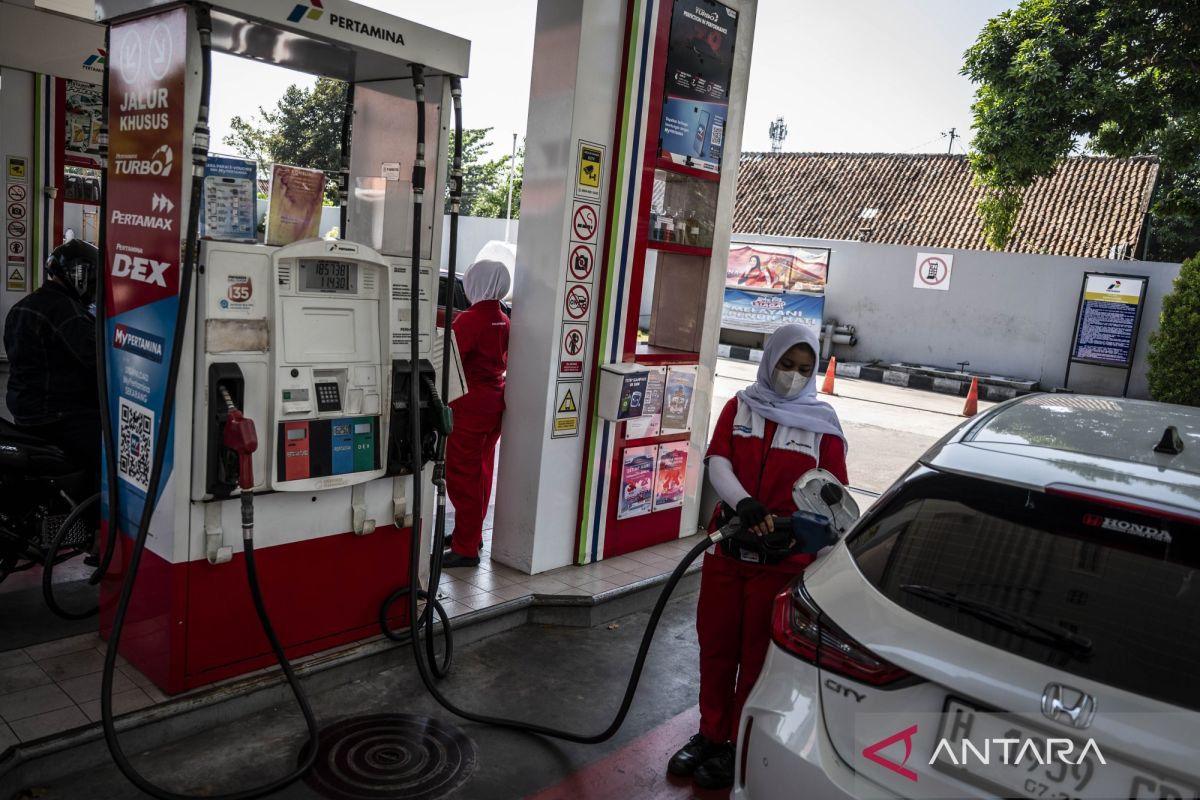
Energy economist from Gadjah Mada University (UGM), Fahmy Radhi, has assessed the increase in non-subsidised fuel prices such as Pertamax as realistic for maintaining fiscal resilience. “The government could actually no longer hold back the price of Pertamax from rising, because the fiscal burden was becoming too heavy,” Fahmy said in a statement received in Jakarta on Wednesday. Fahmy judged that the policy could potentially help the government reduce pressure on the state budget (APBN). According to him, the government had previously restrained a Pertamax price increase since March 2026 to cushion the economic impact on the public. However, as the compensation burden owed to Pertamina grew, the government’s fiscal space became increasingly limited, making a price adjustment ultimately difficult to avoid. “I think RON 92 or Pertamax is actually a non-subsidised fuel. Its price is usually set based on a market mechanism, in line with the economic price,” said Fahmy. Nonetheless, its effectiveness will heavily depend on the government’s ability to manage the shift of consumers from Pertamax to Pertalite, which is still sold at Rp10,000 per litre. He cautioned that the widening price disparity could encourage some Pertamax users to switch to subsidised fuel. Therefore, the government needs to strengthen regulations and oversight so that energy subsidies remain on target and the fiscal savings objective can be achieved. Echoing Fahmy, economist from Manado State University (UNIMA) Robert Winerungan explained the Pertamax price increase is part of the government’s effort to maintain the health of the state budget amid unstable global conditions. “The government is trying to reduce the APBN burden because Pertamax is actually a fuel that should not receive government intervention. The one that does receive government intervention is Pertalite. So the government is reducing the APBN burden by raising the RON 92 price,” Robert said. Besides reducing fiscal pressure, Robert assesses the price adjustment is also important to maintain the balance of domestic fuel prices with neighbouring countries. According to him, a price gap that is too wide potentially opens opportunities for misuse and illegal trading practices that harm the state. On the other hand, Robert estimates the socio-economic impact of the Pertamax increase will not be as great as if the government raised the prices of Pertalite or Diesel. This is because Pertamax users generally come from middle-class groups and owners of newer vehicles. “I think the impact is not too large. Most lower-middle-class people already use Pertalite. Therefore, I believe the effect is not very significant. Pertamax or RON 92 is generally used by newer vehicles,” he said. Pertamina Patra Niaga announced an increase in the prices of Pertamax and Pertamax Green fuel products starting 10 June 2026. According to a company press release received in Jakarta on Tuesday (9/6), effective 10 June 2026, the price of non-subsidised fuel Pertamax (RON 92) rises from Rp12,300 to Rp16,250 per litre, and Pertamax Green 95 (RON 95) rises from Rp12,900 to Rp17,000 per litre. Pertamina also conveyed that the prices of Pertamina fuel products other than Pertamax and Pertamax Green will not increase. The price of non-subsidised fuel Pertamax Turbo (RON 98) remains at Rp20,750 per litre, Dexlite (CN 51) remains at Rp23,000 per litre, and Pertamina Dex (CN 53) remains at Rp24,800 per litre. The subsidised fuel Pertalite remains marketed at a price of Rp10,000 per litre, and Biosolar’s price is still Rp6,800 per litre.