
UGM Expert: Indonesia Enters Climate Crisis Phase, Development Must Consider Environmental Capacity
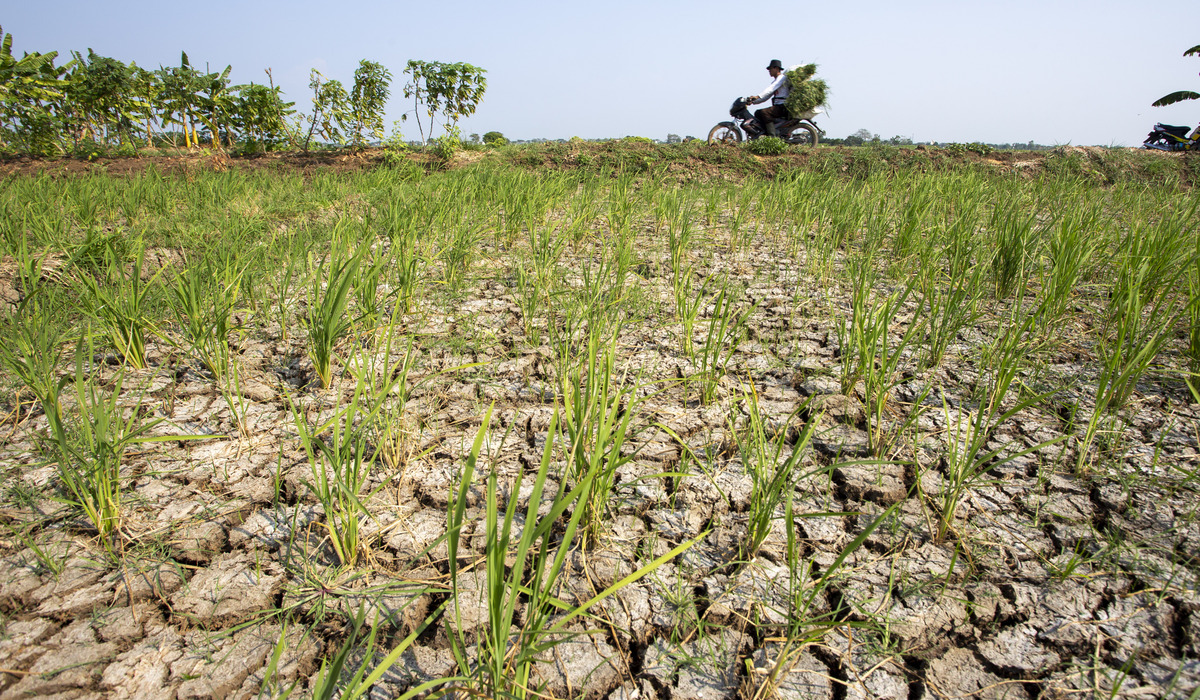
Emilya Nurjani, a lecturer from the Department of Environmental Geography at Gadjah Mada University (UGM), has warned that various current natural phenomena indicate that Indonesia has entered a climate crisis phase. This condition requires rapid, integrated, and serious handling from all stakeholders.
“The climate change phenomena occurring in Indonesia have caused greater impacts and resulted in disruptions to human life, such that it can be termed a climate crisis because it requires immediate action,” Emilya stated during an interview on Monday (6/7/2026).
This warning aligns with records from the Meteorology, Climatology, and Geophysics Agency (BMKG), which identified the 2023–2025 period as the three hottest years in modern observational history. Furthermore, the World Meteorological Organization (WMO) predicts that global average temperatures for 2026–2030 will be in the range of 1.3–1.9 degrees Celsius above pre-industrial levels.
Emilya highlighted that the 2015 Paris Agreement target to keep global temperature rises below 1.5 degrees Celsius remains far from being met. “The ongoing rise in Earth’s temperature is evidence that various carbon emission reduction efforts by countries around the world have not been able to significantly suppress the rate of global warming,” she noted.
Rising air temperatures trigger a chain of environmental problems, ranging from high water demand and accelerated evaporation to the risk of extreme drought. On the other hand, unpredictable rainfall patterns cause seasonal shifts and an increase in the intensity of extreme weather, such as floods, landslides, and high waves.
The agricultural sector is one of the most affected. Changes in planting patterns, the risk of crop failure, pest attacks, and declining productivity threaten national food security. In the long term, this crisis will trigger ecosystem damage, rising sea levels, and massive socio-economic losses.
To face these risks, Emilya emphasised the importance of incorporating climate change risk aspects into the preparation of Regional Spatial Plans (RTRW) and Detailed Spatial Plans (RDTR). Development that ignores environmental carrying capacity will only exacerbate carbon emissions and reduce natural carbon absorption capacity.
“This is due to the prevalence of forest conversion, unplanned urbanisation, construction in flood-prone areas, and the reduction of water catchment areas,” she explained. She encouraged the implementation of nature-based solutions through the development of blue and green infrastructure.
As a concrete step, collaboration is required between the government, academia, the business world, and the community. The proposed strategy includes combining mitigation and adaptation—reducing the causes of climate change while simultaneously reducing its impacts.