
UGM Expert: Destruction of Sailfin Catfish in Jakarta Must Be Continuous, Not Just Once
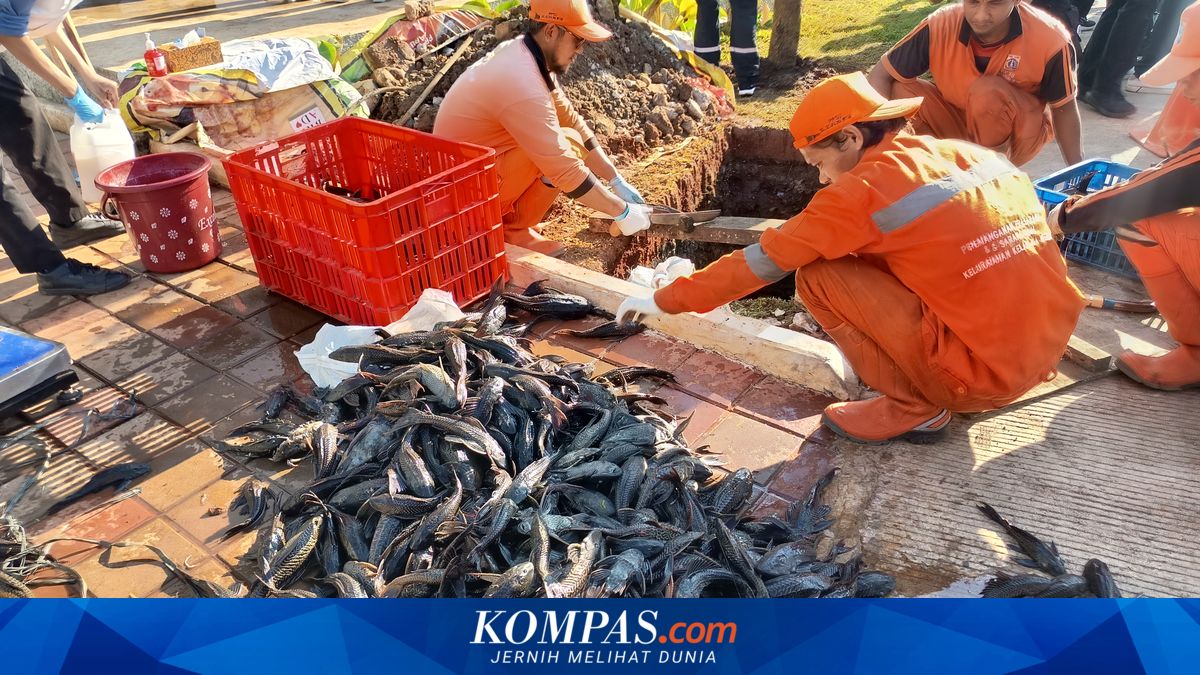
Efforts to destroy 10 tons of sailfin catfish (Hypostomus plecostomus) en masse in Jakarta have recently spotlighted the serious threat posed by invasive species in Indonesia’s waters. Prof. Dr. Ir. Alim Isnansetyo, M.Sc., Professor at UGM’s Faculty of Agriculture, emphasised that large-scale captures will not be effective if not conducted continuously and accompanied by improvements to the heavily polluted river environments. Their highly adaptive nature makes these fish originating from South America difficult to control. Prof. Dr. Ir. Alim Isnansetyo, M.Sc., an expert in Marine and Fisheries Biotechnology at UGM, stated that controlling their population requires a comprehensive approach. “The captures must be continuous and ongoing. Not just once a year, but perhaps once a month so that the population does not explode again,” Prof. Alim explained on Thursday (30/4/2026), as quoted from the UGM website. One main reason why sailfin catfish can dominate waterways is their tolerance to poor water quality. While native Indonesian fish die due to pollution, sailfin catfish reproduce without hindrance because they lack natural predators in the local ecosystem. “We must improve the currently polluted environment. Without water quality improvements, native fish will not survive, while sailfin catfish will continue to dominate,” added the Head of UGM’s Faculty of Agriculture Fisheries Department. According to him, after the environment is restored, restocking or reintroducing endemic fish species is key to restoring the disrupted ecological balance. Regarding the growing use of sailfin catfish by the public, Prof. Alim issued a firm warning on food safety standards. He emphasised that these fish are not intentionally farmed for consumption, so the content of substances in their flesh is difficult to verify. “Do not consume sailfin catfish. They usually live in polluted waters, and the risk of heavy metal contamination in their flesh is very high,” he clarified. This danger applies not only to humans. Prof. Alim also does not recommend using sailfin catfish from polluted rivers to process into animal feed or plant fertiliser. Heavy metals accumulated in the fish’s bodies can transfer to livestock or be absorbed by plants, ultimately endangering the food chain. “We must consider the welfare principles of the animals we raise, so as not to give poisonous feed to other living beings,” Prof. Alim stressed. This step is important to ensure that harmful residues or contaminants in the fish do not re-pollute surrounding soil or water sources. He also urged aquarium hobbyists not to release sailfin catfish into public waters. Public awareness in preserving local ecosystems serves as the main fortress in preventing explosive populations of invasive species in the future.