
UGM Expert Criticises Military-Style Training for Cooperative Managers, Suggests Humanist Model
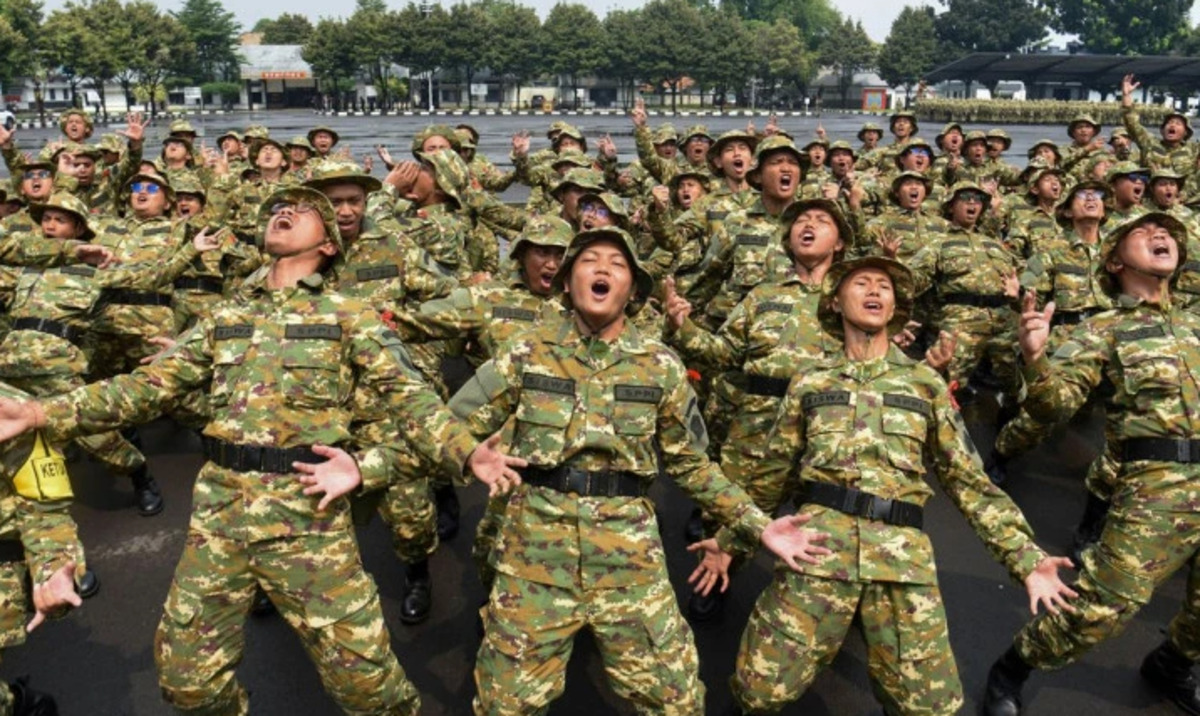
The training of managers for the Red and White Village Cooperatives (KDMP), which utilises a military approach, has drawn sharp criticism after reportedly resulting in fatalities. Dr. Subarsono, a lecturer and researcher at the Department of Management and Public Policy at Gadjah Mada University (UGM), assessed that the training model must be made more relevant to the job description of a cooperative manager. According to him, the primary duty of a cooperative manager is to execute the strategic policies of the board in daily operations, such as managing staff, overseeing cash flow, and ensuring sales targets are met for the welfare of members. “The training provided should relate to cooperative governance, leadership, human resource management, digital finance, entrepreneurship, strategic planning, and e-marketing,” Subarsono stated in a press release on Sunday (28/6). While acknowledging that basic military training has a disciplinary dimension, Subarsono cautioned that the operationalisation of the concept of discipline in the cooperative sector is very different from the military world. In a cooperative, discipline means timely reporting, transparency, accountability, and providing services that meet members’ needs without violating the law. “In the military world, discipline might mean punctual roll call or obedience to command. But in a cooperative, managers must not use facilities for personal gain and must maintain business integrity,” he explained. Following the deaths of five participants to date, Subarsono urged the government to immediately halt the activity and conduct a total evaluation. He advocated for a new training design that is more humanist and aligned with the principles of good governance. The government, through the Ministry of Cooperatives, is expected to initiate a Focus Group Discussion involving successful cooperative practitioners and experts to formulate an appropriate training model. Subarsono also stressed the importance of transferring training authority from the Ministry of Defence/TNI back to the Ministry of Cooperatives. “The emotional wounds of the victims’ families and the public will be healed if the government is willing to produce a better training innovation policy, rather than stubbornly clinging to an old policy that erodes public trust,” he concluded.