
UGM Energy Economist Backs Police Anti-Corruption Unit to Thoroughly Investigate Coal Corruption
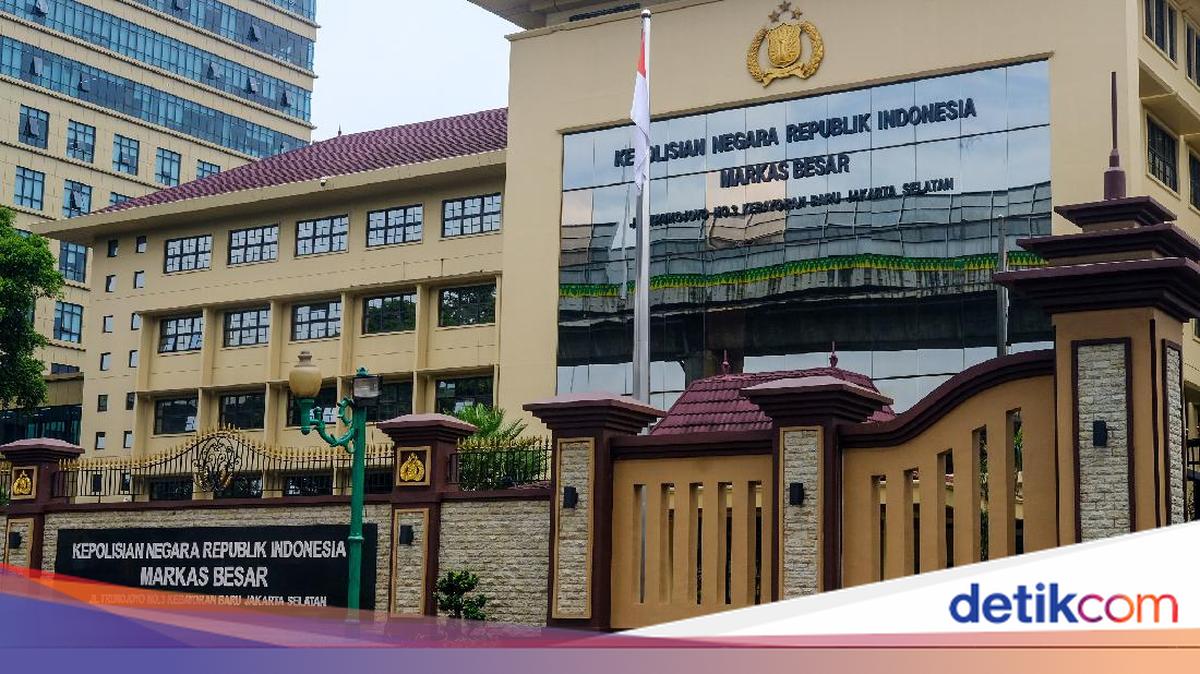
The National Police’s Corruption Eradication Corps (Kortas Tipikor) is investigating alleged corruption in the fulfilment of coal supplies that led to blackouts in Sumatra and several other regions of Indonesia. Energy economist from Universitas Gadjah Mada (UGM), Fahmy Radhi, supports the police in thoroughly investigating the perpetrators in this case. “I strongly support the Kortas Tipikor Polri. Manipulation in coal also occurred in 2022, causing a coal crisis at PLN and resulting in blackouts, and recently it happened in Java, Sumatra, and also Kalimantan. I think this must be thoroughly investigated to find out who the perpetrators are,” Fahmy told reporters on Wednesday (8/7/2026). Fahmy explained that the government has required mining companies to supply at least 20% of their total coal production for domestic needs. However, in practice, according to him, many companies prefer to export coal rather than supply it to PLN for profit reasons. “Coal entrepreneurs who play a significant role in this manipulation have an obligation called DMO (domestic market obligation), where they must sell 20% to PLN. When world market prices are high, companies export their medium-to-high quality coal,” he said. “Meanwhile, the lower quality coal is sold to PLN, and PLN accepts it. So, there is indeed a deviation, and that must be investigated because it is not only detrimental to PLN but also to the people who are PLN’s consumers,” he added. Fahmy urged that the perpetrators in this case be punished as severely as possible. He mentioned that consumers, including household consumers, suffered huge losses. “Law enforcement must be carried out according to existing regulations. The losses for consumers, including household consumers, business consumers, and small business consumers, are enormous, so they must indeed be punished as severely as possible,” he said. Furthermore, Fahmy encouraged the government to build a stricter monitoring system regarding the DMO obligation. He said the government must implement a monitoring system to ensure the quantity of coal supply is met. “I think the government must implement a monitoring system regarding the quantity and quality, which must be properly monitored. If it is not compliant, then the entrepreneur must be sanctioned,” he said. Kortas Tipikor Polri is currently investigating the alleged corruption case in coal supply fulfilment that triggered blackouts in Sumatra and several Indonesian regions. The case has been elevated to the investigation stage. “We, the investigators, are conveying the progress of handling the criminal case of corruption and money laundering related to the procurement of coal supply needs at several coal-fired power plants (PLTU) during the period from 2018 to 2026,” said Head of Kortas Tipikor Polri, Inspector General Totok Suharyanto, during a press conference at the Criminal Investigation Department (Bareskrim) on Monday (6/7). The status was elevated to investigation on 4 July 2026. Totok said his party found two companies suspected of committing legal violations in the fulfilment of coal supplies. “At the very least, investigators found alleged irregularities in the procurement and fulfilment of coal supplies at the PLTU by several involved companies: PT OBP and PT BRA,” said Totok. Director of Enforcement at Kortas Tipikor Polri, Brigadier General Robertus Yohanes De Deo, added that there were several modus operandi used by the suspected parties in this case. One of them was document manipulation. Investigators also found manipulation related to the quantity of coal supplied to the PLTU, as well as alleged irregularities that resulted in payments or contract prices not matching the actual or real supply conditions. No suspects have yet been named in this alleged corruption case. Investigators have examined 16 related witnesses and analysed a number of documents. State losses are estimated to reach Rp 5 trillion.