
UGM Discovers Endemic Tapeworm in Komodo Dragons at Komodo National Park
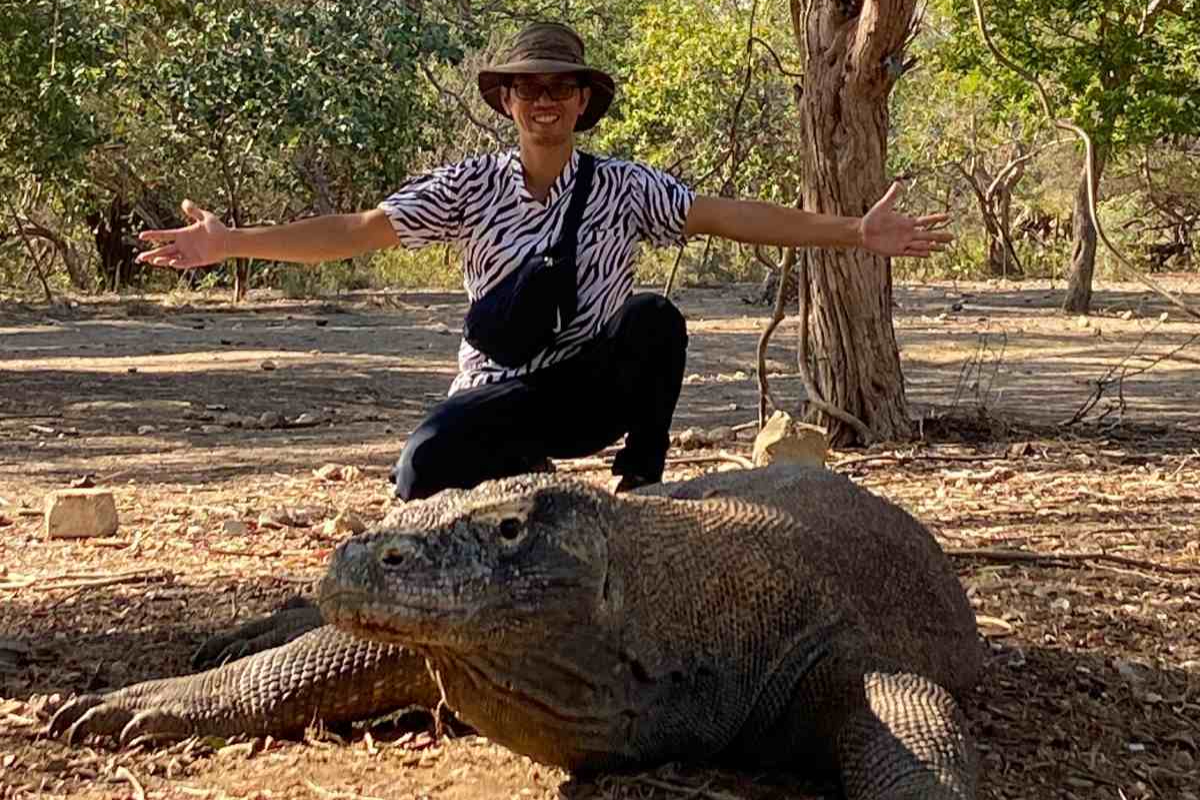
A research team from the Faculty of Veterinary Medicine at Universitas Gadjah Mada (UGM) has discovered the endemic tapeworm Kapsulotaenia sandgroundi in Komodo dragons (Varanus komodoensis), with a prevalence of 6.67 per cent. The parasite possesses a unique adaptation in the form of a double-layered protective capsule on its eggs, enabling it to survive in the semi-arid savannah environment that constitutes the Komodo dragon’s habitat. Professor Wisnu Nurcahyo, a parasitology expert at UGM, stated that the findings demonstrate parasites should not only be viewed as disease-causing agents but also as indicators of ecosystem health, marking a significant milestone for wildlife veterinary medicine. ‘Parasites are not merely pathogens, but indicators of ecological integrity. An explosion in ectoparasite populations and their interactions with the environment and humans projects the need for more strategic biosecurity management,’ he said. The research was conducted by doctoral student Aji Winarso through a multidisciplinary approach combining classical parasitology, molecular taxonomy, and landscape ecology within a One Health framework. Aji Winarso noted that the health aspects of wild Komodo dragons remain an understudied component of conservation efforts, as most research has focused on population and ecology, even though disease can pose a serious threat to the survival of endemic species living on small islands. ‘We aim to build baseline data on Komodo dragon pathogens and parasites as a basis for early detection of disease threats, especially amidst increasing human-dragon interaction due to tourism activities,’ he said. The study began with fulfilling legal requirements through ethical clearance and genetic resource access permits from the Ministry of Forestry, followed by coordination with the Komodo National Park Office. The team collected biological samples including faeces, blood, and ectoparasites from wild dragons, which were then identified morphologically using microscopy and confirmed through molecular analysis. Aji highlighted that the presence of ticks on Komodo dragons biting humans on Rinca Island serves as an important signal for conservation area managers, as ticks can potentially vector various pathogenic microorganisms. He recommended that park managers and the government immediately establish a One Health-based early warning system, routinely monitor parasite trends, ensure prey animals are free from infectious diseases, and strengthen biosecurity for officers and tourists to break the chain of zoonotic transmission.