
UGM Anti-Corruption Expert: Validity of JC Rejection for Sony Sanjaya Depends on Trial Facts
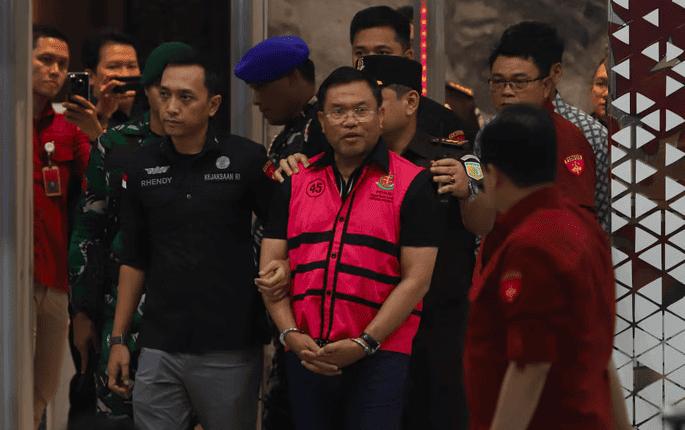
Zaenur Rohman, a legal expert from the Anti-Corruption Study Centre (Pukat) at Gadjah Madow University, explained that the Attorney General’s decision to reject the Justice Collaborator (JC) application for Sony Sanjaya—a suspect in the alleged corruption case involving the Free Nutritious Meal (MBG) programme—will only be proven true through the facts presented in the upcoming trial.
According to Zaenur, granting the status of a cooperating perpetrator witness involves strict prerequisites: the individual must not be the intellectual actor, must be cooperative by admitting their actions, and must be able to provide crucial testimony regarding other parties who played a more dominant role in the criminal act.
“The fundamental principle is the investigator’s analysis. JC status is granted to someone who is not the main perpetrator, admits their actions, and is willing to reveal the involvement of larger parties. This information must be exclusive, meaning it cannot be obtained from other sources,” Zaenur stated when contacted on Tuesday.
He assessed that the prosecutor’s rejection of Sony’s application implies two major possibilities: either investigators believe Sony is the mastermind behind this scandal, or the information he offers is already possessed by the prosecution team from other sources.
“The rejection means the prosecution considers Sony to be the main perpetrator, or that the data he possesses is not unique because it can be obtained from other witnesses or suspects,” he added.
Nevertheless, Zaenur emphasised that the full authority to assess a JC lies with law enforcement. He stressed that the validity of such a decision can only be tested through the evidentiary process in court. “That is the prerogative of the prosecution. But whether it is appropriate or not can only be seen when the case is examined in trial,” he said.
He also highlighted the importance of investigating the 41 names mentioned in Sony Sanjaya’s testimony, including the alleged involvement of other parties such as NSD. “If those 41 names are truly investigated in court, including NSD, then the rejection of the JC status could be considered justified,” he remarked.
However, he warned that if those names are not pursued in the legal process during the trial, questions will arise from the public regarding the completeness of the case disclosure. “If they are not investigated, the public will ask whether all perpetrators have been revealed or only a portion of them,” said Zaenur.
Furthermore, he asserted that differences in assessment between law enforcement and observers may occur if the information emerging in court does not align with the investigation results. “Investigators might claim they already possess all the information without the need for a JC. That will be tested in court,” he noted.
Moving further, Zaenut assessed that if it is proven that Sony possesses information not held by others, then the reason for rejecting the JC status must be explained transparently to the public.
“If there is exclusive information held only by Sony, then the basis for rejection must be openly testable. Otherwise, the public will suspect there is a restriction on the disclosure of other parties,” he concluded.
Source: jawawa.id (https://jawawa.id/newsitem/ugm-anti-corruption-expert-validity-of-jc-rejection-for-sony-sanjaya-depends-on-trial-facts-1782219056)
Originally published by Media Indonesia (https://mediaindonesia.com/politik-dan-hukum/903521/pukat-ugm-tepat-atau-tidaknya-penolakan-jc-sony-sanjaya-baru-bisa-dinilai-lewat-fakta-persidangan), translated from Indonesian