
Ugandan Scientists Develop Genetically Engineered Mosquitoes to Eradicate Malaria
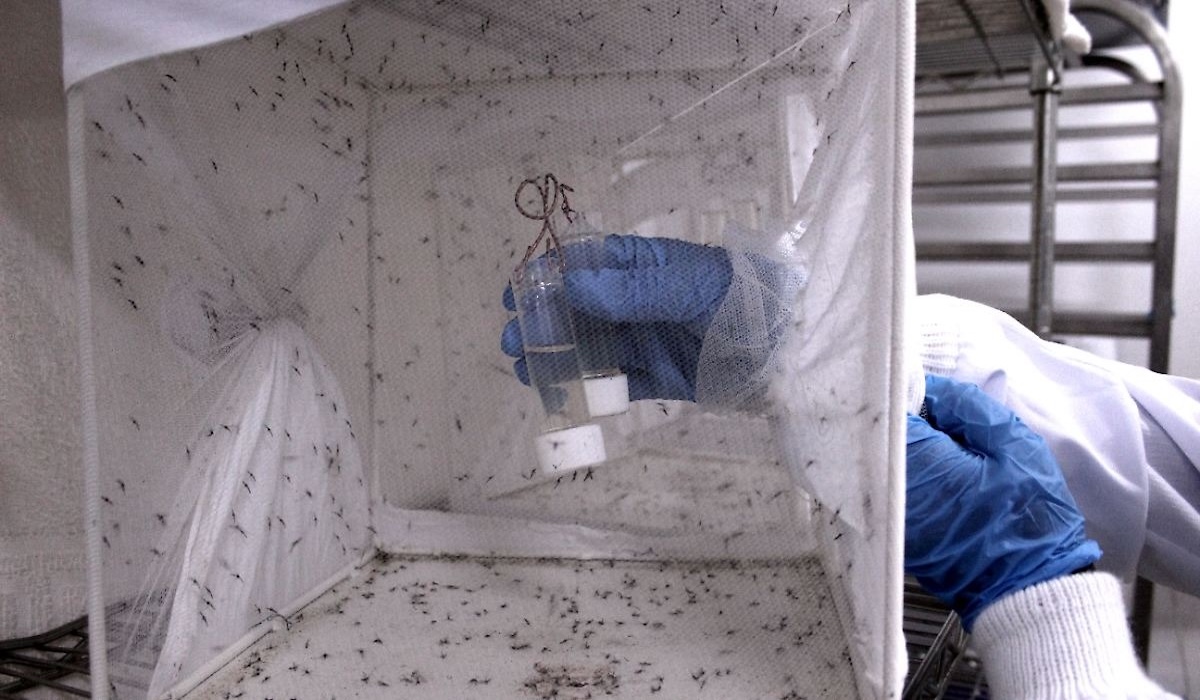
Scientists at the Uganda Virus Research Institute are developing a genetic engineering innovation in mosquitoes to eradicate malaria entirely. The step comes in response to the threat of malaria spreading increasingly widely, reaching as far as Europe and North America due to the effects of global climate change.
According to data from the World Health Organization (WHO), infections from the Plasmodium parasite, transmitted by female Anopheles mosquitoes, affect around 263 million people each year. The majority of fatal cases occur on the African continent, with toddlers being the group most affected.
The innovation is being developed by the international consortium Target Malaria, involving more than 200 researchers across multiple countries. The head of the Entomology Research Department at the Uganda Virus Research Institute, Jonathan Kayondo, explained that his team is focusing on manipulating one specific gene to increase the number of male mosquitoes.
“By manipulating one gene, we can increase the number of male mosquitoes,” said Kayondo. The strategy is crucial because, medically speaking, only female mosquitoes suck blood and transmit the parasite. If the male population dominates over several generations, disease transmission is expected to stop automatically.
Currently, mosquito larvae engineered at the United States’ CDC laboratory have arrived in Uganda under strict security. The research team has scheduled field trials on the Ssese Islands in Lake Victoria within the next two to three years, once all official permits have been secured.
Safety is the priority: Kayondo stressed that ecological safety evaluation is the top priority. The genetic modification must be guaranteed not to trigger secondary risks or increase the spread of other diseases in the wild ecosystem.
The effort is in line with the UN target of reducing global malaria cases by 90 per cent by 2030. Scott Filler of the Global Fund to Fight AIDS, Tuberculosis and Malaria (GFATM) cautioned that conventional methods are becoming limited due to the continual mutation of the parasite.
“History teaches us that we can lose the biological race if we continue to only treat malaria,” Filler asserted. Direct genetic manipulation of the transmission vector is now the focus of new hope in international science.