
UBSI Integrates AI and Urban Farming to Support Family Food Security
Universitas Bina Sarana Informatika (UBSI) is combining artificial intelligence (AI) technology with a zero-waste urban farming concept to promote household food security whilst reducing household waste in urban areas.
The programme was introduced through a Regular Community Service (PKM) activity involving PKK women’s groups in Duri Kosambi, Cengkareng, West Jakarta. During the training, participants not only learned how to use limited land to grow vegetables, but also how to process organic waste into compost and use an AI-based application as a companion for plant cultivation.
UBSI PKM Team Leader Embun Fajar Wati said the programme was designed so that the community could obtain solutions that are easy to apply in daily life by combining environmental education with digital technology.
“We integrated socialisation of zero-waste vegetable gardens, urban farming training, processing organic waste into compost, and the use of Artificial Intelligence through the SiHijau application in a single series of activities. The hope is that the community will not only be able to turn waste into a source of food, but also gain the digital literacy to support independent plant cultivation,” said Embun in a written statement on Friday (25/7/2026).
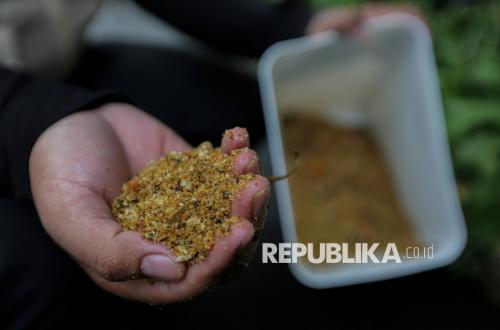
During the training, participants used old water gallons as planting containers and regrew leftover vegetable stems, such as water spinach and mustard greens. They also practised turning kitchen organic waste into compost as part of applying the zero-waste concept.
As part of the programme’s innovation, UBSI introduced the SiHijau application, equipped with an AI-based assistant. Through the app, users can identify symptoms of plant diseases, receive treatment recommendations, and access practical guides on vegetable cultivation and composting via their smartphones.
The programme was held amid high waste volumes in Jakarta. According to data from the Jakarta Environmental Agency’s Environmental and Cleanliness Information System (SILIKA), waste generation in the capital exceeds 3.1 million tonnes per year, or around 8,500 tonnes per day. This situation is considered to require community involvement in reducing waste through the processing of organic waste at the household level.
Sri Wahyuni, head of the PKK group in RT 07/RW 13, Duri Kosambi, said the training provided new knowledge that matched residents’ needs.
“The women not only learned to grow vegetables on limited land, but also understood how to turn kitchen waste into compost and use the SiHijau application as a guide for caring for plants. We hope activities like this can continue so that more residents take part in applying them,” she said.
UBSI hopes the integration of the zero-waste concept, urban farming, and AI can become a model for community empowerment that can be applied in various urban areas to support household food security whilst reducing waste generation.
Source: jawawa.id (https://jawawa.id/newsitem/ubsi-integrates-ai-and-urban-farming-to-support-family-food-security-1784969465)
Originally published by Republika (https://news.republika.co.id/berita/tipyrx349/ubsi-padukan-ai-dan-urban-farming-untuk-dukung-ketahanan-pangan-keluarga), translated from Indonesian