
Uber, Once the 'King of Ride-Hailing' That Exited Indonesia, Now Unleashes a 'Driver Apocalypse' with Robotaxis
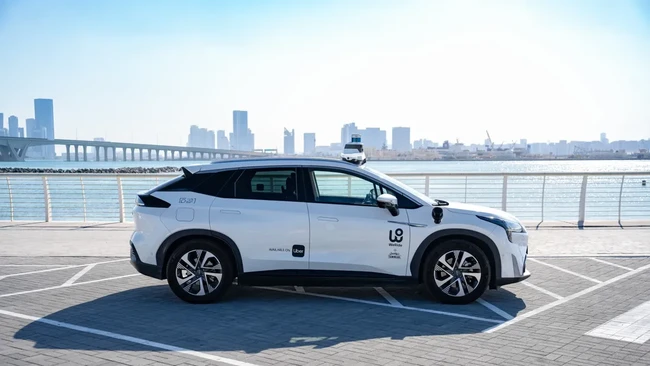
Uber plans to launch a premium robotaxi service in Houston, USA, by mid-2027. The city will serve as the second market in a collaboration between Uber, electric vehicle manufacturer Lucid, and autonomous vehicle technology company Nuro.
This announcement follows preparations being made by the three companies in the San Francisco Bay Area, where they aim to begin robotaxi operations by the end’s of this year. Uber has also stated that the robotaxi programme will eventually be expanded to dozens of cities in the coming years.
Uber was the first technology company to offer app-based transport services, which are currently provided by Grab and Gojek in Indonesia. The US-based startup previously operated in Indonesia but departed after selling its Southeast Asian business, including Indonesia, to Grab.
According to Reuters, Uber’s current focus remains on San Francisco and Houston. In these two cities, Uber will face direct competition from Waymo, Alphabet’s autonomous vehicle company, which is already operating commercial robotaxi services in both regions.
In recent months, Nuro has been testing the Lucid Gravity SUV, equipped with its autonomous driving system, in San Francisco. The company has also noted several advancements, including providing Uber employees with the opportunity to book Lucid robotaxis.
However, these vehicles are not yet fully driverless. This remains the case even though Nuro obtained permission from the California Department of Motor Vehicles (DMV) last month, allowing the company to remove safety drivers from its test vehicles.
Meanwhile, a joint fleet from Uber and Nuro, consisting of 100 autonomous vehicles, is undergoing testing on Houston highways with safety drivers still behind the wheel. In addition to public road testing, Nuro is also utilising closed tracks and simulations to validate its self-driving systems before the robotaxis are opened to the general public.
The size of the test fleet is expected to increase in the coming weeks as Lucid begins producing the first commercial versions of the robotaxi at its factory located in Arizona.
The Lucid Gravity robotaxi, introduced last January, is equipped with high-resolution cameras, solid-state lidar sensors, and radar. These devices allow the autonomous system to recognise its surroundings more accurately and operate the vehicle independently.
Under this partnership, Uber will act as both the owner and operator of the robotaxi fleet. The company is also focusing on developing the passenger experience within the cabin, including how users interact with the vehicle during the journey.
As part of the preparations for the Houston launch, Uber is also expanding its physical infrastructure in the city. The company currently possesses a 50,000-square-foot depot and dedicated charging facilities that will serve as the operational hub for the robotaxis.
This robotaxi collaboration also provides a fresh start for Nuro. The autonomous vehicle startup underwent a major strategic shift in 2024, ceasing the development of its own delivery robots to instead license its autonomous driving technology to vehicle manufacturers and other partners.
On the other hand, this collaboration also assists Lucid, which has been facing challenges in scaling the mass sales of its electric vehicles. Such issues are common among many EV startups that must compete with Tesla’s market dominance.
Uber has made direct investments in both of its partners. The company is known to have injected approximately US$500 million into Nuro and has committed to investing US$500 million into Lucid. Furthermore, the ride-hailing giant has also agreed to purchase at least 35,000 Lucid units prepared to operate as robotaxis.