
Uber, Once Exited from Indonesia, Now Goes All-In on Robotaxis Threatening Online Drivers
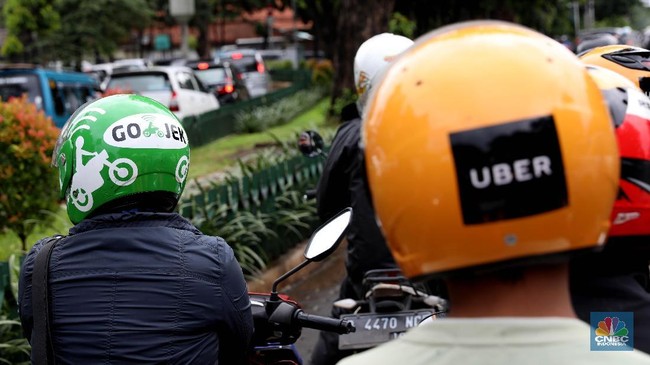
Ride-hailing giant Uber will continue to ramp up its driverless taxi (robotaxi) business strategy, which threatens the profession of online drivers. The company has prepared more than US$10 billion (Rp 180 trillion) to expand the service network.
Uber CEO Dara Khosrowshahi said the company wants to be the long-term winner in the autonomous vehicle race, including building the largest commercialisation platform for autonomous mobility in the world.
He also confirmed that the investment over the next few years will be made because of the company’s strong financial position, as reported by Traders Union on Thursday (6/8/2026).
Uber plans to open robotaxi services in 15 cities this year. The ambition is being pursued despite concerns that the new business will disrupt the online transport services that form the core of Uber’s business.
Previously, the company and its partner Wayve secured approval to launch a commercial robotaxi service with a human still supervising behind the wheel in London.
Wayve CEO Alex Kendall said the approval from Transport for London is a major step for the UK, including enabling the company to begin offering transport services in London within the next few weeks.
In its financial report, Uber recorded free cash flow of US$2.8 billion (Rp 50.1 trillion) in the second quarter. The total for the year reached US$10.1 billion.
Meanwhile, gross bookings rose 24% over the year to US$58 billion (Rp 1,039 trillion). The company’s revenue was US$14.2 billion (Rp 254.3 trillion), up 12%, with operating income of US$1.9 billion (Rp 34 trillion) during the second quarter.
Uber is known to have previously operated in Indonesia, offering online motorcycle taxi (ojol) and online taxi services. However, the US-based giant pulled out of the Southeast Asian market, including Indonesia, in 2018.
Uber handed over all of its Southeast Asian operations to Grab. The company chose to prioritise its business in several core markets such as the US, Europe, and the Middle East.