
UAE's ADNOC Greenlights US$6.2 Billion Umm Shaif Gas Project, Echoing Indonesia's Masela Ambitions
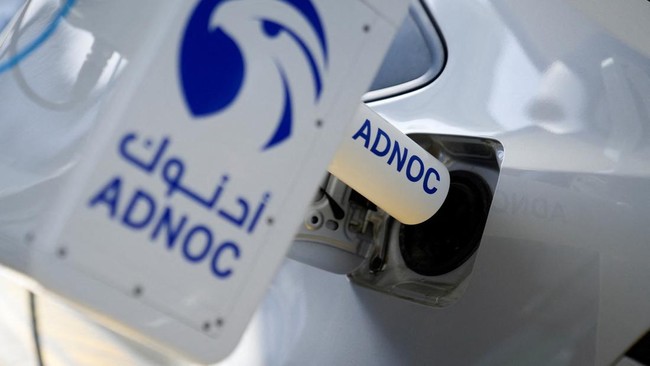
Abu Dhabi National Oil Company (ADNOC) has officially approved a US$6.2 billion investment for the development of the Umm Shaif offshore gas field, one of the largest offshore gas projects in the United Arab Emirates. The Final Investment Decision (FID) was made in collaboration with international partners including TotalEnergies, Eni, and China National Petroleum Corporation (CNPC). Production is targeted to commence in 2030, adding over 600 million standard cubic feet per day (MMSCFD) of gas, along with associated liquids, which represents nearly 10% of the UAE’s current daily gas consumption. The additional output is intended to strengthen domestic energy security and meet industrial demand, particularly from emerging sectors such as data centres and artificial intelligence (AI) development. Sultan Ahmed Al Jaber, UAE Minister of Industry and Advanced Technology and ADNOC Managing Director and CEO, stated that the company is accelerating its integrated gas strategy to capitalise on the UAE’s abundant resources and expand its global LNG platform as world demand rises. The UAE holds the world’s seventh-largest gas reserves. Similarly, Indonesia is advancing its own giant gas project, the Abadi Field in the Masela Block, located in the Arafura Sea off the Maluku islands. Managed by Japan’s Inpex Masela Ltd, the deepwater project is estimated to require around US$20.9 billion in investment. The Indonesian government targets at least 60% of the gas for domestic needs, with the remaining 40% for export. The field holds an estimated 6.97 trillion cubic feet (TCF) of gas and is expected to produce 9.5 million metric tonnes per annum of LNG and 150 MMSCFD of pipeline gas, alongside 35,000 barrels of condensate per day. The development concept includes deepwater drilling, subsea facilities, a Floating Production Storage and Offloading (FPSO) unit, and an onshore LNG plant, with the potential to absorb up to 10,000 workers. The project also plans to implement Carbon Capture and Storage (CCS) technology to produce clean LNG, supporting the government’s emission reduction and energy transition goals.