
UAE Plans to Eliminate Reliance on Strait of Hormuz, Media Reports
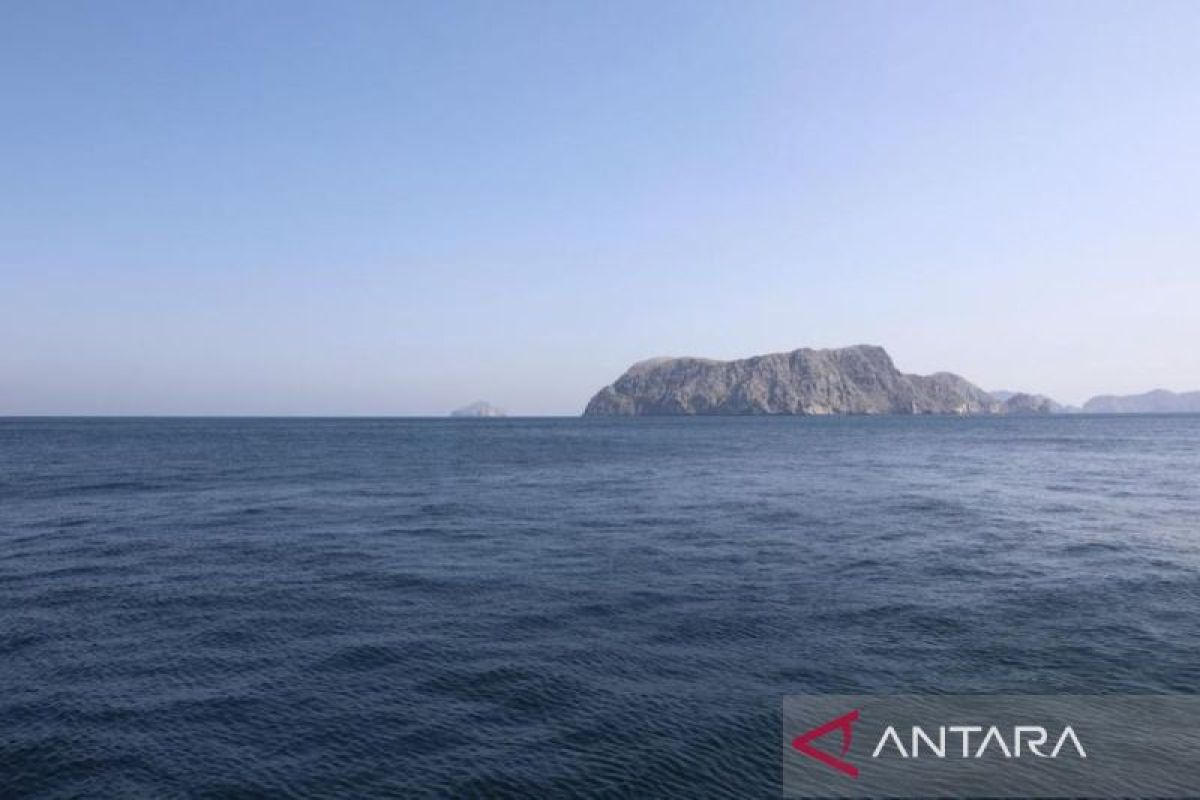
The United Arab Emirates (UAE) is working on a major plan to eliminate its dependence on the Strait of Hormuz after the recent closure of the critical waterway exposed vulnerabilities in Gulf trade and energy flows. UAE Minister of State for Foreign Trade Thani Al Zeyoudi said the country is moving towards “zero dependence on Hormuz,” according to a Bloomberg report on Wednesday. The plan emerges as global markets await the full reopening of the strait following a temporary peace deal between Iran and the US. The Strait of Hormuz, through which about a fifth of global crude oil and liquefied natural gas shipments passed before the war, has been disrupted since US and Israeli strikes on Iran began in late February. At the heart of the UAE’s plan is a massive expansion of the eastern ports of Dibba, Fujairah, and Khor Fakkan, which lie outside the strait on the Gulf of Oman coast, the report said. The country also plans to build at least one new port on the same coastline, along with new pipelines, railways, and highways to connect the eastern ports with oil and gas fields and petroleum facilities. The UAE already uses an existing pipeline with a capacity of 1.5 million barrels per day to send crude oil to Fujairah, allowing it to partially bypass the Strait of Hormuz. In mid-May, it announced it would accelerate construction of a second pipeline to double crude oil export capacity through Fujairah by 2027. The country is also studying a third petroleum pipeline and other options to support exports of petrochemicals, LNG, and other energy products. Al Zeyoudi did not provide a cost or timeline, saying the projects are still in the feasibility study stage, though the infrastructure expansion is expected to require billions of dollars in investment. Reducing reliance on the Strait of Hormuz remains difficult, as diverting LNG, aluminium, and other commodities from Gulf ports will be more complex than diverting crude and refined oil. The UAE also relies heavily on Gulf ports, particularly Jebel Ali in Dubai, one of the world’s largest container hubs, for imports and redistribution. The UAE has repeatedly called for uninterrupted traffic through the Strait of Hormuz, saying the waterway is vital for regional and global economic security, stability, and prosperity. The plan marks a broader strategic shift towards reducing exposure to geopolitical risks in the Gulf and strengthening alternative trade and energy routes outside the strait.