
UAE Calls for De-escalation of Conflict to Ensure Smooth Passage through Strait of Hormuz
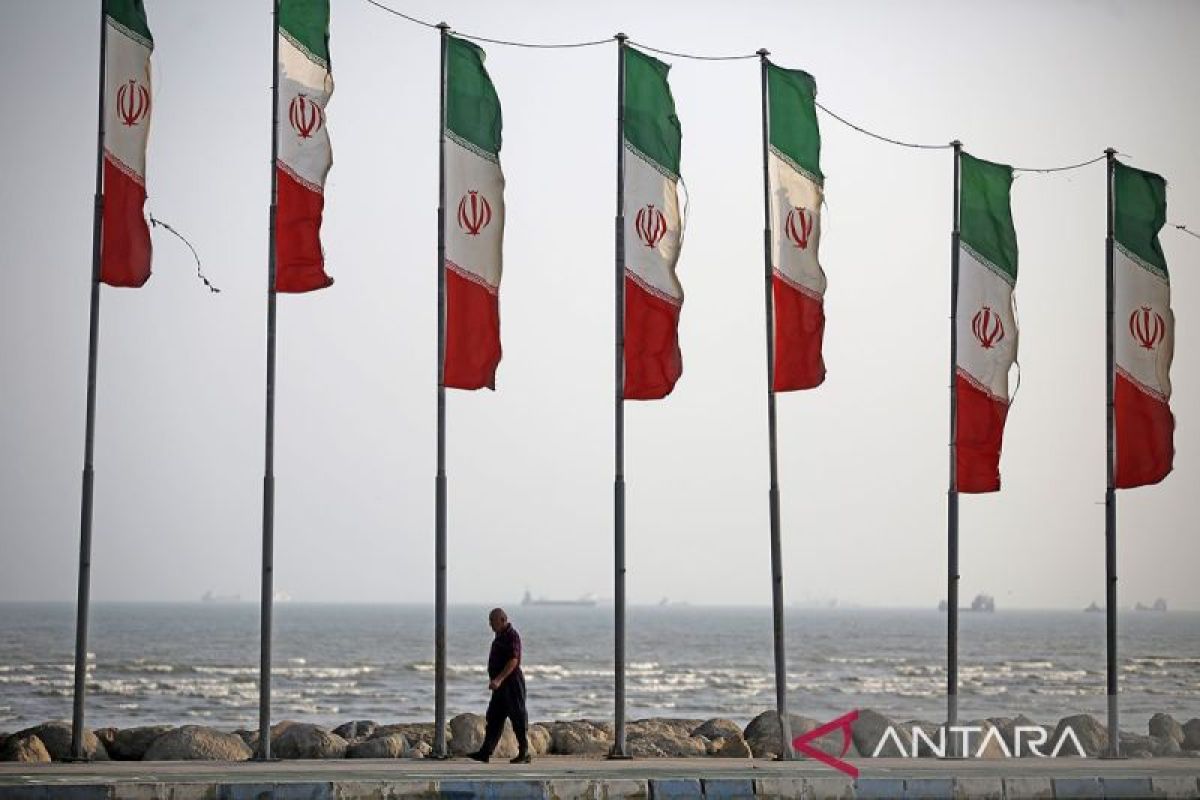
Istanbul (ANTARA) - The United Arab Emirates has called for tensions to subside in a region currently facing transformation and fragmentation, emphasising that supply chains must be able to traverse the Strait of Hormuz in accordance with international law.
UAE Minister of State Khalifa Shaheen Al Marar delivered this statement during his speech at the 81st UN General Assembly in New York, United States.
“This region is undergoing transformation and fragmentation, and tensions must be reduced,” said Al Marar.
The call was made by Al Marar amidst the war that began following joint US and Israeli attacks on Iran on 28 February. Iran subsequently retaliated by launching attacks against Israel and several locations in regional countries, including the United Arab Emirates.
Subsequent US attacks on Iran, alongside disputes regarding navigation through the Strait of Hormuz, have complicated talks between the US and Iran, despite both parties having signed a memorandum of understanding in mid-June.
“My country remains committed to a moderate stance, rejecting violence and extremism, and investing in the society and the great potential of our region. We extend our hands to partners in this region and throughout the world to build, not destroy, and to unite societies, not divide them,” said Al Marar.
He also invited various nations to attend a conference in Abu Dhabi, stating that the UAE hopes the conference can encourage practical solutions to strengthen water security.
Furthermore, regarding Sudan, Al Marar called for an end to the war, stating that no party in the conflict should be allowed to determine the future of the nation. Sudan has repeatedly rejected treatment that equates its national army with the paramilitary Rapid Support Forces (RSF), arguing that the RSF must be disarmed.
Sudanese authorities have accused the United Arab Emirates of supporting the RSF, allegations which Abu Dhabi has repeatedly denied. The war between the Sudanese army and the RSF, which began in April 2023, has killed tens of thousands and displaced approximately 13 million people, according to estimates from the UN and international agencies.