
UAE Accuses Iran of Attacking Two ADNOC Ships in Strait of Hormuz
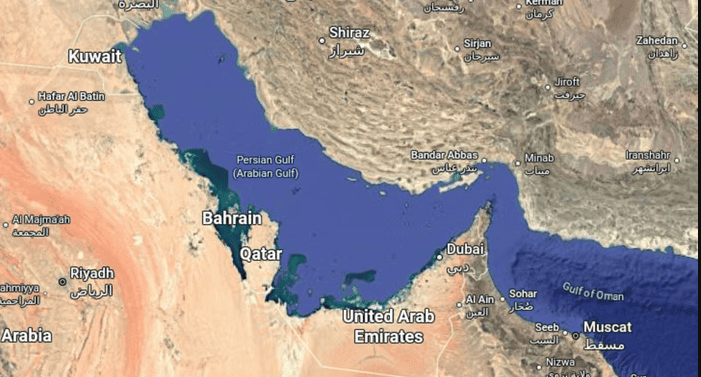
The United Arab Emirates (UAE) has accused Iran of attacking two vessels linked to the state-owned oil company, Abu Dhabi National Oil Company (ADNOC), as they transited the Strait of Hormuz on Thursday (13/8) local time. The attack adds to tensions in the strategic shipping lane, which has become one of the main flashpoints of conflict in the Middle East. The UAE Ministry of Foreign Affairs condemned the attack. There were no injuries in the incident.
ADNOC confirmed that two of its ships were attacked while transiting the Strait of Hormuz on Thursday evening. The company stated that the situation had been brought under control, as reported by the official UAE news agency, WAM.
On Friday (14/8), the United Kingdom Maritime Trade Operations (UKMTO) also reported two similar incidents involving drone attacks on tankers in the Strait of Hormuz the previous day. The attacks caused minor damage but no casualties. However, it could not be confirmed whether the vessels reported by UKMTO were the two ships owned by or affiliated with ADNOC.
“UKMTO received a report from military authorities that a tanker was struck by an unmanned aerial vehicle while outbound through the Strait of Hormuz. The vessel sustained minor damage, all crew were reported safe and accounted for, and no environmental impact was reported,” UKMTO said in two separate statements.
The incident is the latest in a series of attacks on vessels transiting the Strait of Hormuz. The previous week, ADNOC said three of its tankers had been attacked in the waterway. The UAE Ministry of Foreign Affairs subsequently reported an attack on one of the ADNOC vessels the following day.
The Strait of Hormuz has become a key flashpoint in tensions between Iran and the United States. Iran is said to have imposed an effective blockade on the route and has repeatedly attacked commercial vessels. Tehran also wants users of the shipping lane to pay a fee to transit, a demand strongly opposed by Washington.
Before the war in the Middle East broke out in February, ships could transit the Strait of Hormuz freely. The series of attacks that followed has worsened the situation and contributed to the collapse of the ceasefire between the United States and Iran in April.
The agreement reached in June was originally intended to serve as an initial foundation for talks towards a permanent settlement. Under the agreement, Iran and Oman, which both border the Strait of Hormuz, would discuss the future arrangements for the route together with other Gulf states with reference to applicable international law.
However, the reopening of the Strait of Hormuz still faces a number of demands from Tehran. Last week, Iran’s Head of Security Mohammad Bagher Zolghadr set out several conditions for reopening the route. Iran is demanding, among other things, an end to the war and aggression against Iran and its allies in Lebanon, Palestine, Yemen and Iraq.
Zolghadr also demanded an end to the US naval blockade of Iran, the lifting of sanctions, the release of frozen Iranian assets, and compensation for war damage. The statement was reported by the Tasnim news agency.
The series of attacks on tankers and Iran’s demands have made the future of the Strait of Hormuz increasingly uncertain. Disruption to the route could potentially affect shipping activity and energy trade, as the strait is a vital passage for tanker movements in the Gulf region.