
Typhoon Bavi Threatens China and Taiwan After Maysak Claims Lives
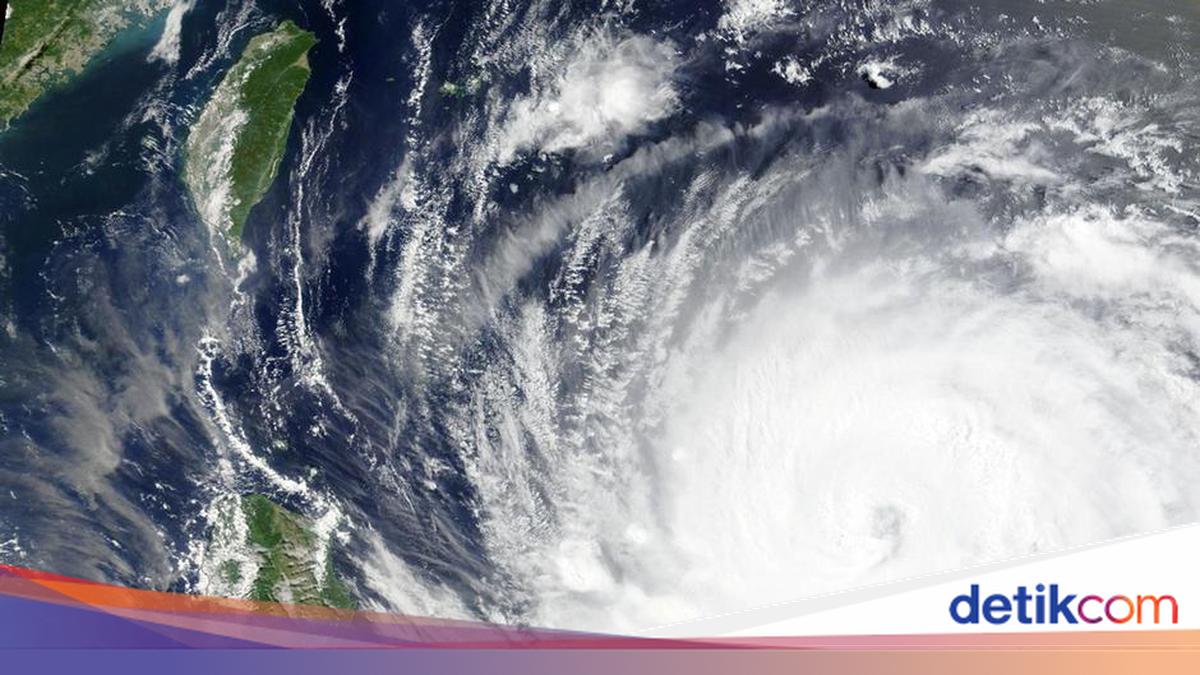
Fishermen took shelter in harbours, residents queued for sandbags, and farmers rushed to harvest their crops as China and Taiwan braced for Typhoon Bavi. The storm is projected to become the most destructive weather disaster to hit East Asia in several years.
The giant typhoon threatens the region shortly after Typhoon Maysak killed at least 39 people in southern China on Thursday (09/07).
A storm of enormous scale
Typhoon Bavi spans 1,000 kilometres wide — roughly the size of mainland France — with wind speeds approaching 200 kilometres per hour. “A storm of this size is very rare in recent years,” Jason Chang, a forecaster at Taiwan’s Central Weather Administration, told Reuters. He added that Bavi could become the biggest storm to strike the island since 1987.
In the fishing town of Suao in northeastern Taiwan, hundreds of vessels crowded into the harbour to take shelter. “Do not be fooled by the current clear and calm weather. A storm like this could be the most terrifying yet,” Chen Ming-hui, captain of a three-tonne fishing boat, told Reuters.
Meteorologists worldwide have warned of Bavi’s destructive potential. Xiangbo Feng, a tropical cyclone researcher at Imperial College London, stressed in an interview with Reuters that the public should remain extremely vigilant. “This typhoon has spent a long time strengthening over the Pacific, absorbing energy from the warm ocean and gathering enormous amounts of moisture,” Feng said.
AccuWeather meteorologist Jason Nicholls also told Reuters that Bavi would remain a dangerous storm as it impacts Taiwan and eastern China from Friday (10/07) through Monday (13/07).
Evacuation operations
As the region prepares for Bavi’s arrival, authorities in southern China are still grappling with the destruction caused by the previous storm. According to reports from the Associated Press (AP), of the 39 deaths in the Guangxi region, 26 died after part of a reservoir dam structure in Hengzhou burst, sending flash floods into the city centre. Nanning Deputy Mayor Ding Wei told AP that road repairs were ongoing and electricity had been restored to more than 60,000 homes.
The destructive impact of Maysak forced the military to launch large-scale evacuation operations, including the rescue of more than 10,000 students in Guigang by boat. The disaster also triggered a secondary ecological crisis. Reuters reported that thousands of pig carcasses were rotting after being submerged in floodwater in Binyang County. Meanwhile, AP noted that more than 100 exotic animals at the Guigang zoo had gone missing, and the appearance of snakes escaping from a farm in Hengzhou had forced the government to distribute emergency antivenom.
Climate change at the root
This string of storms is not merely a passing anomaly. Scientists consistently link extreme weather events in the region to global climate change. This year’s El Nino phenomenon is projected to raise ocean temperatures further, providing ideal fuel for typhoons to form more intensely.
The extreme weather crisis is also not confined to the eastern coastal areas of East Asia. According to AP data, extreme weather in Hubei Province in central China, marked by thunderstorms and a tornado earlier this week, killed 11 people. In another part of Asia, monsoon rains triggered landslides that claimed dozens of lives among Rohingya refugees in Bangladesh.
Source: jawawa.id (https://jawawa.id/newsitem/typhoon-bavi-threatens-china-and-taiwan-after-maysak-claims-lives-1783670003)
Originally published by detikcom (https://news.detik.com/dw/d-8568167/topan-bavi-ancam-china-dan-taiwan-usai-maysak-renggut-nyawa), translated from Indonesian