
Two Years of the Ministry of Culture: Strengthening Cultural Protection and Preservation
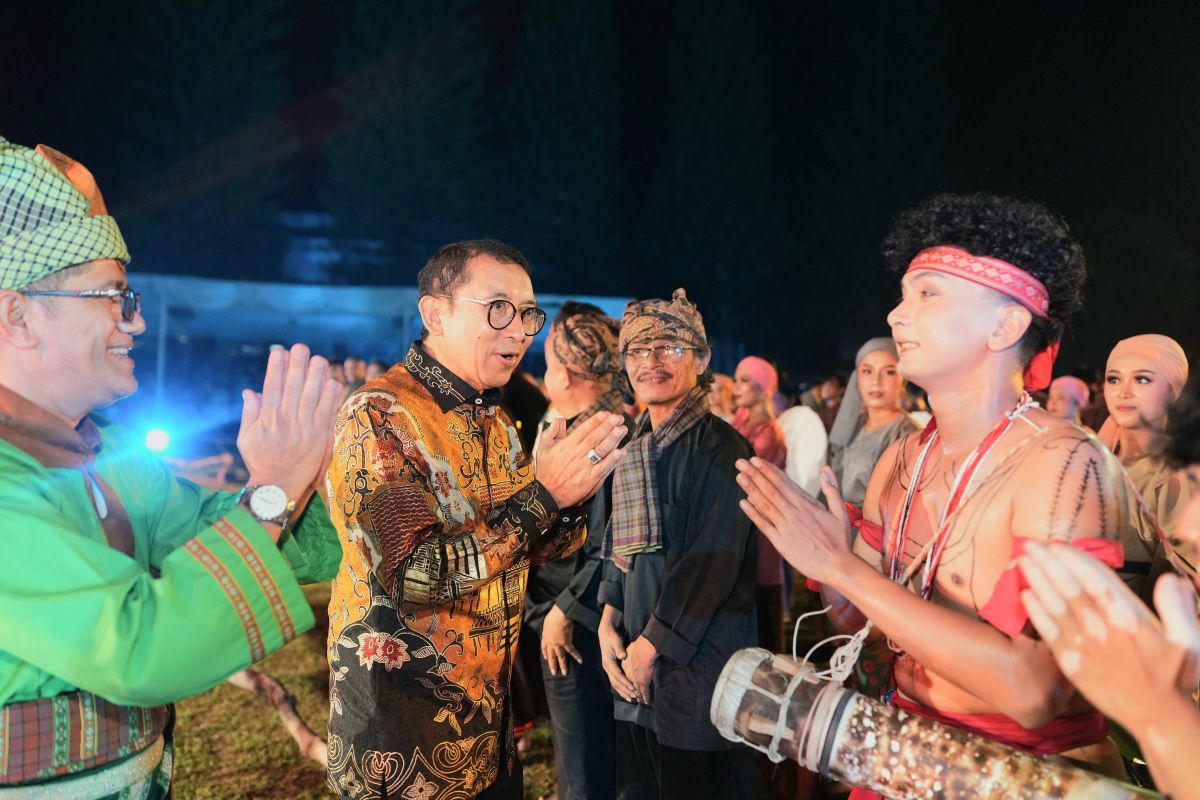
Jakarta (ANTARA) — The Ministry of Culture has strengthened cultural protection and preservation during the first two years of President Prabowo Subianto and Vice-President Gibran Rakabuming Raka’s administration.
Culture Minister Fadli Zon and Deputy Culture Minister Giring Ganesha, who currently lead the ministry, have made cultural protection one of the priorities for the administration’s first two years.
In an official statement received in Jakarta on Thursday, the ministry said its cultural protection efforts aim to safeguard heritage while ensuring the continuity of traditions.
The number of national-level Cultural Heritage designations rose from 10 in 2024 to 85 in 2025, then reached 7,471 between January and early October 2026.
The strengthened status of heritage sites has been accompanied by physical preservation work, including the restoration of Dalam Loka Palace in West Nusa Tenggara, the revitalisation of Rumah Tabuik in West Sumatra, and assistance with temple restoration. In 2026, the palace and royal court revitalisation programme covered 21 sites.
This year, support for intellectual property included 129 copyright registrations, 25 trademark applications and 250 registrations of Communal Intellectual Property.
By September 2026, the Artists Enter Schools Movement had reached 216 schools and 3,521 students. Support for Indigenous communities and adherents of indigenous beliefs had reached 43 organisations by the same month.
The ministry is also promoting cultural advancement in the regions through cultural preservation centres and offices.
Under Culture Ministerial Regulation No. 2 of 2026, the network of technical implementation units under the Directorate General of Cultural and Traditional Protection consists of 33 units: 30 Cultural Preservation Centres and three Cultural Preservation Offices. These centres and offices serve as hubs for cultural work in the regions.
In 2026, the ministry announced an allocation of Rp500 billion from returns on the Cultural Endowment Fund. In 2025, meanwhile, 58 per cent of beneficiaries were in regions with a Cultural Development Index below the national average, an increase of about two percentage points from 2024.
The ministry’s work is based on Law No. 5 of 2017 on the Advancement of Culture and Presidential Regulation No. 190 of 2024 on the Ministry of Culture.
The Ministry of Culture was established as a standalone ministry under President Prabowo Subianto in 2024. Its formation strengthened the role of culture as a foundation for development: affirming identity, preserving unity, improving welfare and extending Indonesia’s influence globally.