
Two years of the Ministry of Culture: preserving and developing the breath of civilisation
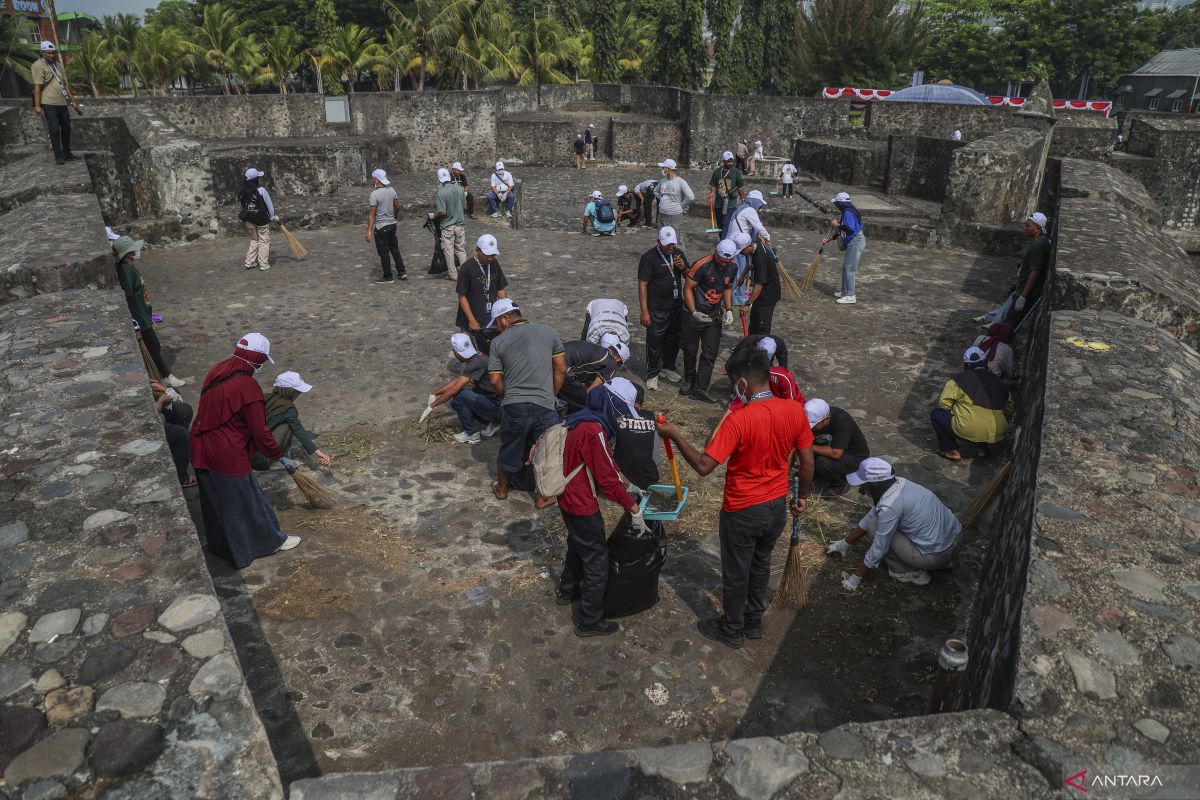
Jakarta (ANTARA) – Culture is one of the sectors the government is currently focusing on developing further, with the aim of delivering positive benefits for the Indonesian people. President Prabowo Subianto and Vice-President Gibran Rakabuming Raka formally established the Ministry of Culture as a concrete step towards that goal.
Re-established on 20 October 2024 under Presidential Regulation No. 190 of 2024, the cultural sector had previously been in a state of “suspended animation”. It was revived after first becoming a standalone sector on 31 March 1966, before eventually being merged with other ministries.
Led by Culture Minister Fadli Zon and Deputy Culture Minister Giring Ganesha, the ministry aims to advance culture, optimise its role in development, and strengthen participatory, transparent and accountable cultural governance.
Its other missions include protecting and preserving cultural wealth, Indigenous communities and adherents of local beliefs; encouraging creativity; and increasing technology-based cultural innovation to improve public welfare.
The ministry also seeks to manage cultural diversity to strengthen national unity, use Indonesian culture as soft power in the global civilisation, and embed the nation’s noble cultural values through education and by mainstreaming culture in national and state life.
Achievements
To protect the nation’s historical heritage, the government has so far designated 430 cultural heritage sites as being of national importance.
A total of 743 national cultural heritage sites are now officially recognised by the government. Through the Culture Ministry’s interventions and the government’s active efforts to identify sites, it is hoped that the number recorded nationally will reach at least 1,750 this year, given Indonesia’s potential to have tens of thousands of such sites.
Another priority is the revitalisation and restoration of museums, intended to strengthen their preservation role while turning them into historical heritage centres for education, tourism and new culture-based economic activity.
This year, the ministry is targeting the revitalisation and restoration of nearly 200 museums, cultural heritage sites, royal palaces and state palaces as part of efforts to promote a culture-based economy.
The government has begun physical revitalisation work at 13 locations in the Solo Palace complex, with a budget of around Rp15 billion. It has also partnered with the Danantara Trust Fund Foundation to support the revitalisation of the National Museum, with the aim of making it more appealing to younger visitors and a modern, engaging and comfortable place for education.
Effective exhibition design is also needed to optimise museums as centres for preserving culture and history. Through its Museum and Cultural Heritage unit (MCB), the Culture Ministry has introduced a Museum Passport book and stamps as a new attraction to draw visitors. The initiative offers a new way to visit museums and targets young people who are once again taking an interest in analogue activities. Visitors can collect stamps from the museums they visit in the book.
Each museum has a different stamp design, providing an additional attraction for visitors.
As part of efforts to recover historical heritage and protect the nation’s collective memory, the ministry last year pursued the return of fossil collections held by Dutch researcher Eugene Dubois.
The return includes four major fossils, including Java Man, or Pithecanthropus erectus, which is 500,000 years old. In total, more than 28,000 fossil specimens are expected to be returned to Indonesia.
Then, last July, FBI Director Kash Patel visited Jakarta and handed over eight artefacts from Papua to President Prabowo Subianto, accompanied by Culture Minister Fadli Zon.
In the film sector, the Culture Ministry has supported the development of the ecosystem through several programmes, including assistance for Indonesian films participating in international events such as the International Film Festival Rotterdam and the Cannes Film Festival.
Other efforts include using the IndonesiaRaya Fund to support film literacy and launching this year the Indonesian Heroism Narrative Film Production programme, which focuses on the struggle to defend Indonesia’s independence between 1945 and 1950. At least 20 feature and short films have entered production following the signing of partnership agreements.
To preserve the arts and culture of the archipelago and pass knowledge directly from master practitioners to younger generations, the Culture Ministry has also introduced a flagship programme, Belajar Bareng Maestro (Learning Together with the Masters).
Source: jawawa.id (https://jawawa.id/newsitem/two-years-of-the-ministry-of-culture-preserving-and-developing-the-breath-of-civilisation-1792216256)
Originally published by Antara (Indonesian) (https://www.antaranews.com/berita/5793009/dua-tahun-kemenbud-menjaga-dan-mengembangkan-napas-peradaban), translated from Indonesian