
Two Years of Priority Programmes Delivering Benefits for the People
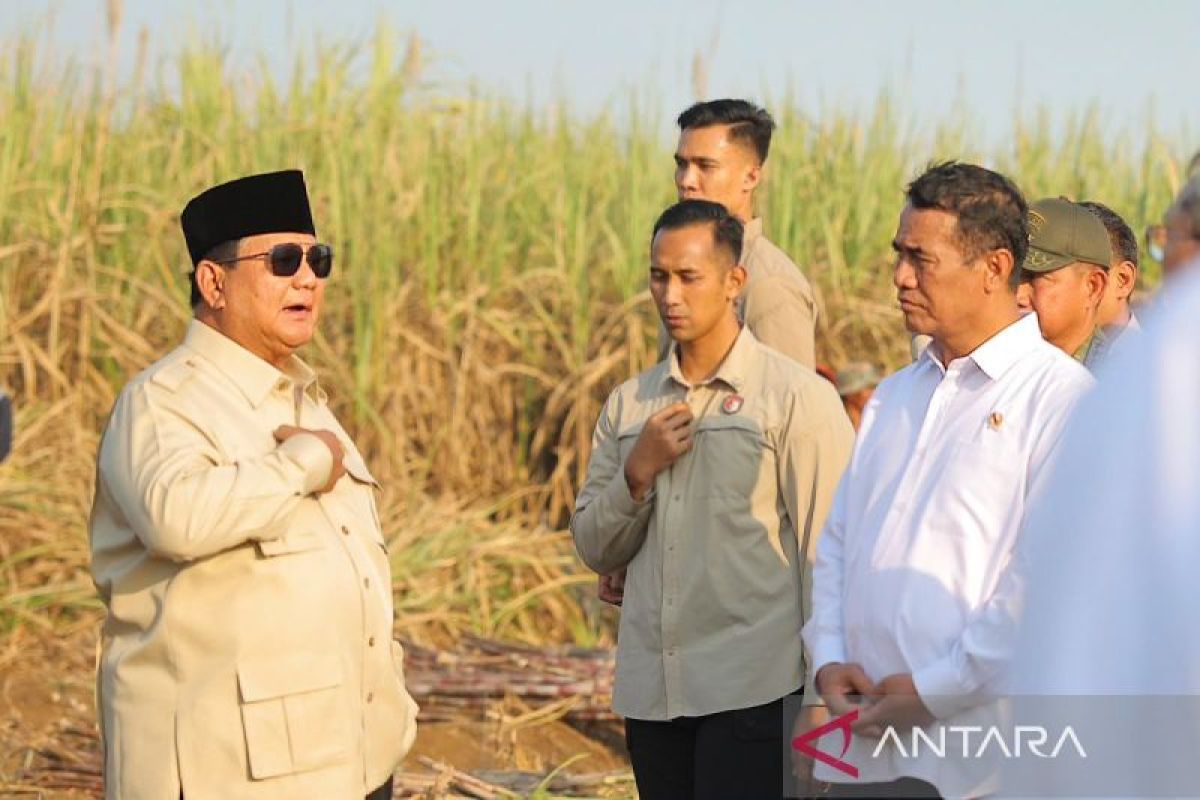
These strategic programmes are intended to fulfil the public’s basic rights to a decent standard of living and quality education, while laying a strong foundation for a sovereign and independent Indonesia.
Jakarta (ANTARA) — Geopolitical conflicts in various parts of the world throughout 2026 have once again underscored the importance of Indonesia’s self-reliance in safeguarding public welfare.
Self-reliance in vital sectors such as food and energy is crucial when resource-rich countries begin restricting exports, while countries with fewer resources have to pay more to meet their needs.
For example, the closure of the Strait of Hormuz in Iran — one of the world’s busiest oil shipping routes — could drive up the global prices of goods and services as world oil prices soar.
Meanwhile, the El Niño climate phenomenon has exacerbated conditions, triggering extreme drought in some regions and severe storms elsewhere. This serves as a reminder that the impacts of climate change should have been mitigated well in advance.
In response to these developments, the Indonesian Government’s strategic efforts to safeguard national sovereignty and self-reliance are the right course of action. They not only ensure public welfare but also benefit the national economy.
This commitment is being put into practice through a range of priority programmes in food, energy, education and health.
One of President Prabowo Subianto’s repeatedly emphasised priorities is achieving food self-sufficiency.
“Every country and economy is judged by the most fundamental question: can the nation feed its people? What is the point of being independent if we cannot provide the most basic requirement of civilisation: food?” the President said at a plenary Cabinet meeting on 20 July.
As he approaches two years in office with Vice-President Gibran Rakabuming Raka, following their inauguration on 20 October 2024, President Prabowo Subianto has said Indonesia achieved its food self-sufficiency target in 2025. This was accomplished ahead of the previously established four-year target.
The achievement is reflected in several key agricultural indicators. National rice production reached 34.71 million tonnes in 2025, an increase of 4.09 million tonnes (13.36 per cent) compared with 2024. This rise generated a rice surplus of 3.52 million tonnes, meaning Indonesia did not import rice for consumption at all during 2025.
For 2026, the Government forecasts national rice production of 34.77 million tonnes, above estimated domestic demand of 31.10 million tonnes.
Beyond rice, the National Food Agency (Bapanas) forecasts that production of seven other major food commodities will also exceed domestic requirements. The eight commodities considered self-sufficient are rice, maize, sugar for consumption, broiler chicken meat, eggs, shallots, large red chillies and bird’s-eye chillies.