
Two Years of Prabowo-Gibran: Working Together to Oversee Priority Programmes
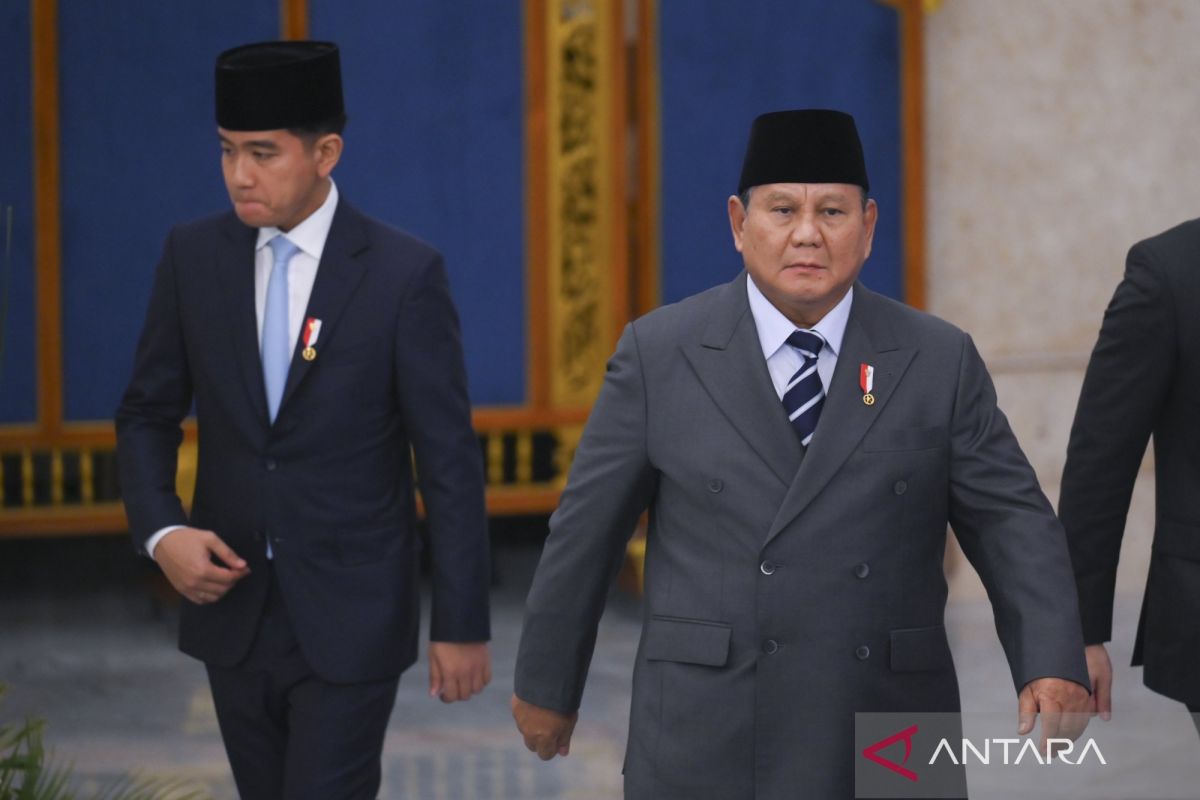
The first two years have provided an indication of how the two leaders are involved. Going forward, consistent follow-up and results on the ground will be important measures of the government’s agenda in the years ahead.
Jakarta (ANTARA) – President Prabowo Subianto and Vice-President Gibran Rakabuming Raka marked two years in office on 20 October 2026.
During this period, their administration has pursued a range of priority programmes, from the Free Nutritious Meals (MBG) initiative to Sekolah Rakyat, with implementation involving ministries, agencies and regional governments.
In practice, Prabowo has led the setting of policy direction and national priorities, while Gibran has helped oversee implementation by visiting regions and listening to public concerns.
Their involvement reflects the government’s efforts to extend the reach of its programmes while responding to problems that arise during implementation.
However, the administration’s first two years have also shown that the scale of a programme does not necessarily correspond to the quality of its services.
Monitoring, evaluation and follow-up on problems on the ground are essential to ensure government programmes achieve their aims and deliver significant benefits to the public.
Article 4, paragraph 1 of the 1945 Constitution states that the President holds executive power. Paragraph 2 says that the President is assisted by one Vice-President in carrying out their duties.
The Constitution, however, does not specify a permanent division of government responsibilities between the two.
In current practice, Prabowo has led policy direction through cabinet meetings, limited meetings and discussions with stakeholders on strategic priorities.
Gibran has carried out the duties of Vice-President, including accompanying the President at official events and visiting the implementation of several programmes in the regions.
Such visits offer a way to observe policy implementation directly and receive feedback from the public.
For example, during the implementation of MBG and Sekolah Rakyat, Gibran has visited various sites to see how the programmes are being delivered, including in areas facing challenges in accessing basic services.
Although this division of responsibilities shows that both leaders are actively involved, the allocation of duties alone is not enough to demonstrate synergy.
Their working relationship must also be assessed by whether findings and problems on the ground lead to concrete action through coordination across ministries and agencies.