
Two Years of Prabowo: Free Health Checks Taken Up by 105 Million People
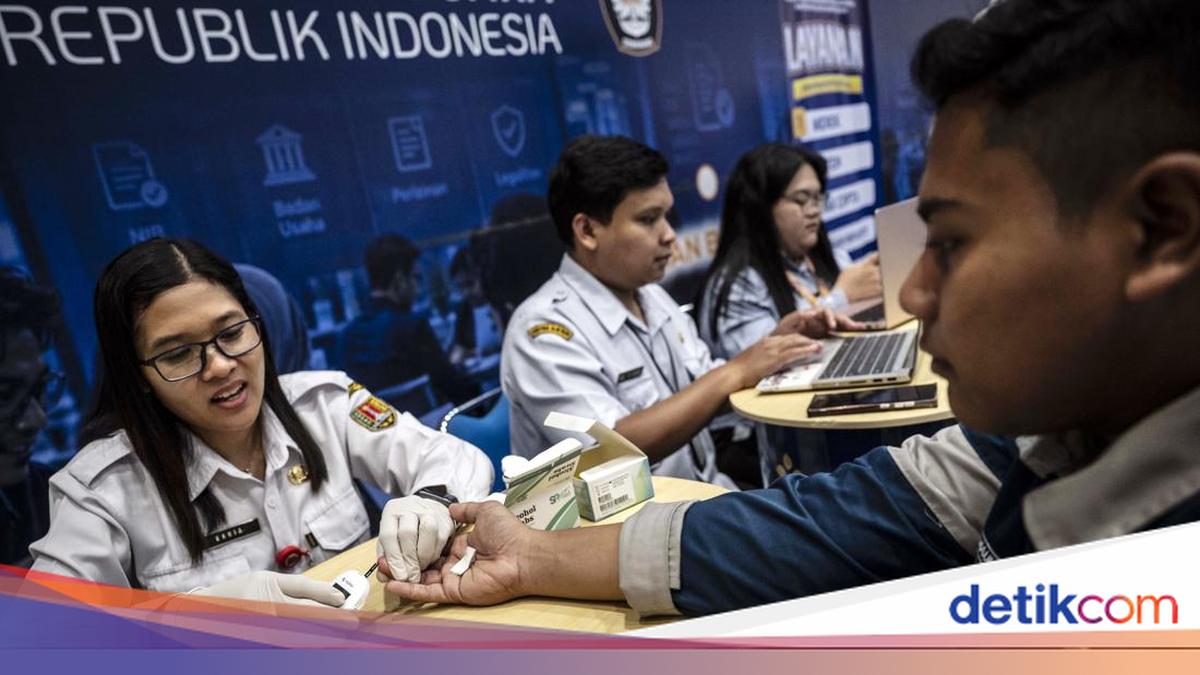
President Prabowo Subianto has pursued various initiatives to improve public health during his two years in office. One is the Free Health Check (CKG) programme, launched in February 2025.
CKG provides free medical screening for everyone, from young children to older people. By visiting their nearest community health centre (puskesmas), people can learn about their health and detect risks early, including cardiovascular disease, diabetes and tuberculosis.
Through CKG, Prabowo aims to widen access to health screening, particularly for people who face barriers to healthcare services.
The programme enables people to identify health risks early and address them before they develop into chronic conditions. Treatment and recovery from chronic illnesses can be costly and place a heavy burden on household finances.
But CKG’s aims go beyond that. Prabowo regards the programme as a strategic investment in developing Indonesia’s human resources for the future.
The programme is intended to help people maintain their health and remain productive over the long term. Sustained productivity, in turn, is expected to help people improve their living standards and pursue their aspirations, while also contributing positively to Indonesia’s economic growth.
CKG is also expected to reduce future health spending on chronic disease treatment. The programme is therefore presented not merely as a populist measure, but as a rational step towards a more productive Indonesia.
“This is a productivity-boosting programme. My experts tell me that in the long term, we will save billions of US dollars,” Prabowo said when discussing CKG in a speech at the World Economic Forum recently.
Government to Expand CKG’s Reach and Improve Its Quality
The government recognises that a healthy population is the foundation for building a strong generation. It has therefore set a target for 130 million people to benefit from CKG by the end of this year.
In his state address at the House of Representatives building on 14 August, Prabowo said the government would improve the programme’s implementation and expand its reach so that it could serve more people.
CKG is one way the state is working to improve public health and deliver a more prosperous life.
“The state must protect people’s health before they become seriously ill,” he said.
CKG Supports Longer Life Expectancy
As of 4 October 2026, around 105 million people had used the programme. But CKG’s goal is not simply to increase participant numbers. The government is also analysing participants’ potential health risks to develop strategic policies for preventing and addressing health problems.
For example, during the programme, the Ministry of Health identified the three most common health problems among participants as dyslipidaemia, or abnormal levels of fats in the blood; hypertension; and diabetes.
Based on these findings, the government is providing management for the three conditions to help people avoid chronic diseases such as strokes and other cardiovascular illnesses. This includes free medication and care to help people adopt healthier lifestyles.
Deputy Health Minister Dante Saksono Harbuwono said screening and follow-up care had helped people manage health risk factors early and encouraged them to adopt healthier lifestyles.
He said this was supported by medical records from last year’s CKG participants, particularly data on hypertension and blood sugar, two major risk factors for stroke and cardiovascular disease. The data was analysed up to 30 September 2026.
Monitoring of hypertension found that 6.81 million people screened through CKG last year had been diagnosed with high blood pressure.
Of these, 2.41 million returned for CKG this year. Among those who returned, 1.13 million people, or 46.9 per cent, had their blood pressure under control.
Blood sugar monitoring found that 1.02 million CKG participants from last year had been diagnosed with diabetes.
Of these, 340,117 returned for CKG this year. Among them, 235,895 people, or 69.4 per cent, had their blood sugar under control.
If this trend continues, Dante said he believes CKG could be an initial step towards preventing one in four cases of stroke and cardiovascular disease by 2035.
As a result, Indonesia’s average life expectancy, currently 71 to 72 years, is expected to rise to between 76 and 78 years.
“So the benefits of CKG will only be felt in 2035, but we have already started the work. In 10 years’ time, we will really feel the benefits,” Dante said.
Source: jawawa.id (https://jawawa.id/newsitem/two-years-of-prabowo-free-health-checks-taken-up-by-105-million-people-1793076835)
Originally published by detikcom (https://news.detik.com/berita/d-8725817/2-tahun-prabowo-cek-kesehatan-gratis-sudah-diikuti-105-juta-orang), translated from Indonesian