
Two Years of Prabowo: Deputy MPR Speaker Praises Energy Security and Faster Transition
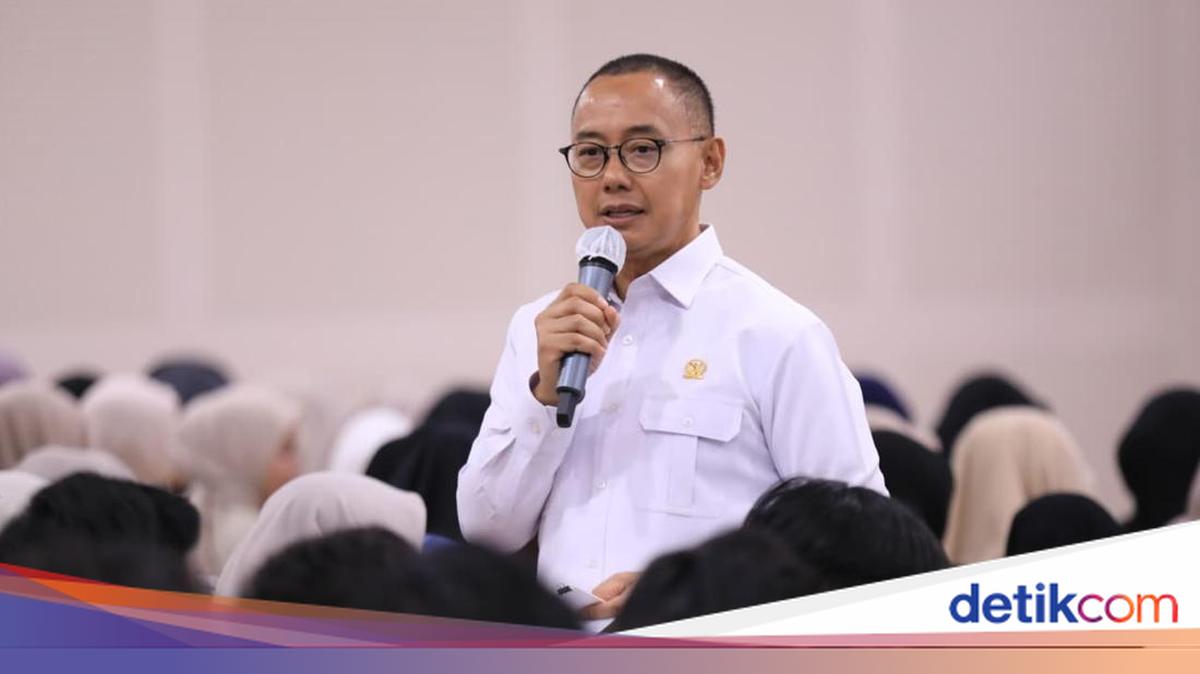
As President Prabowo Subianto’s government enters its second year, Eddy Soeparno, a Deputy Speaker of the People’s Consultative Assembly (MPR) from the National Mandate Party (PAN) faction, has praised the President’s attention to strengthening energy security, accelerating the energy transition and addressing climate change. Eddy said the three agendas play a strategic role in maintaining Indonesia’s energy independence.
He said the government’s attention to these priorities was reflected in its policy direction for developing new and renewable energy (NRE), including solar, wind, hydro and geothermal power.
Developing these energy sources is part of an effort to reduce the dominance of fossil fuels gradually, while taking account of national energy needs, affordability and supply reliability.
Eddy said energy security was an important element of national resilience. He therefore welcomed the President’s focus on renewable-energy development and accelerating the transition, while stressing the importance of continuing to meet the needs of households and industry.
“I appreciate President Prabowo’s attention to renewable-energy development and accelerating the energy transition. We need to ensure that the energy needs of households and industry continue to be met, while clean-energy use increases consistently,” Eddy said in a written statement on Tuesday (20 October 2026).
In line with efforts to increase the use of clean energy, Eddy said a phased approach to phasing out or reducing fossil-fuel use was appropriate for Indonesia.
He said the energy transition must be gradual and measured. Because the national energy mix remains dominated by fossil fuels, the shift requires long-term planning, substantial investment, technological readiness and supporting infrastructure.
“We cannot change a national energy structure that has long been dominated by fossil fuels in a short time. What we need to ensure is that the direction of change is clear, the targets are measurable, and each stage of implementation brings us closer to a clean, independent and sustainable energy system,” he said.
One area Eddy highlighted for accelerating the transition was solar power generation. He said targets for building solar plants needed to be supported by faster project delivery, stronger transmission networks and energy-storage development.
“President Prabowo set a target in March 2026 of building up to 100 GW of solar power plants. This programme must continue to be monitored through faster project construction, stronger transmission networks, energy-storage development and increased domestic industrial capacity,” Eddy said.
Alongside solar development, national electricity planning is also important to increasing clean-energy capacity.
He pointed to PLN’s 2025–2034 Electricity Supply Business Plan (RUPTL), which targets an additional 69.5 GW of generating capacity. Of this, 42.6 GW is planned to come from renewable energy, alongside 10.3 GW of energy-storage capacity.
Eddy said consistent implementation would be needed to ensure that increased clean-energy capacity strengthened energy security and helped reduce emissions. He also noted that renewables accounted for 15.75 per cent of Indonesia’s energy mix in 2025, with installed renewable power-generation capacity reaching 15,630 MW.
He said these figures provided an initial foundation for expanding renewable-energy use. Further development would require increased investment, simpler permitting, regulatory certainty and collaboration between the government and private sector.
“These figures show that renewable-energy development is continuing and still has considerable room to grow. We need to accelerate the use of solar, hydro, wind and geothermal potential, while ensuring that this transition brings economic benefits through investment, job creation and stronger national industry,” he said.
Eddy also welcomed the government’s efforts to strengthen climate action. The PAN deputy chairman said emissions reduction needed to go hand in hand with adaptation to climate impacts, forest protection, pollution control and greater community resilience to climate-related disasters.
He said strengthening the legal framework for climate action was an important step in supporting these efforts.
Climate action requires cross-sector commitment and a strong legal foundation, he said. He therefore urged lawmakers to reach agreement on and pass the Bill on Equitable Climate Change Management.
“I welcome efforts to strengthen climate regulations. Going forward, we need to ensure that mitigation, adaptation, climate finance and public protection policies are properly integrated into the national development-planning system,” he said.
Eddy said stronger energy security, a faster energy transition and climate action needed to proceed in tandem with Indonesia’s commitment to achieve net-zero emissions by 2060 or earlier.
To help meet that target, he said the country needed to maintain consistent policy direction, strengthen clean-energy investment and ensure that every economic sector contributed to emissions reduction.
“President Prabowo’s government has shown strong resolve to drive the gradual and determined decarbonisation of Indonesia’s economy. We need to maintain consistent policy direction, strengthen clean-energy investment and ensure that every economic sector plays a part in reducing emissions,” Eddy concluded.
Source: jawawa.id (https://jawawa.id/newsitem/two-years-of-prabowo-deputy-mpr-speaker-praises-energy-security-and-faster-transition-1792479146)
Originally published by detikcom (https://news.detik.com/berita/d-8715419/2-tahun-prabowo-waka-mpr-puji-penguatan-percepatan-transisi-energi), translated from Indonesian