
Two years into Prabowo’s presidency, infrastructure takes a back seat
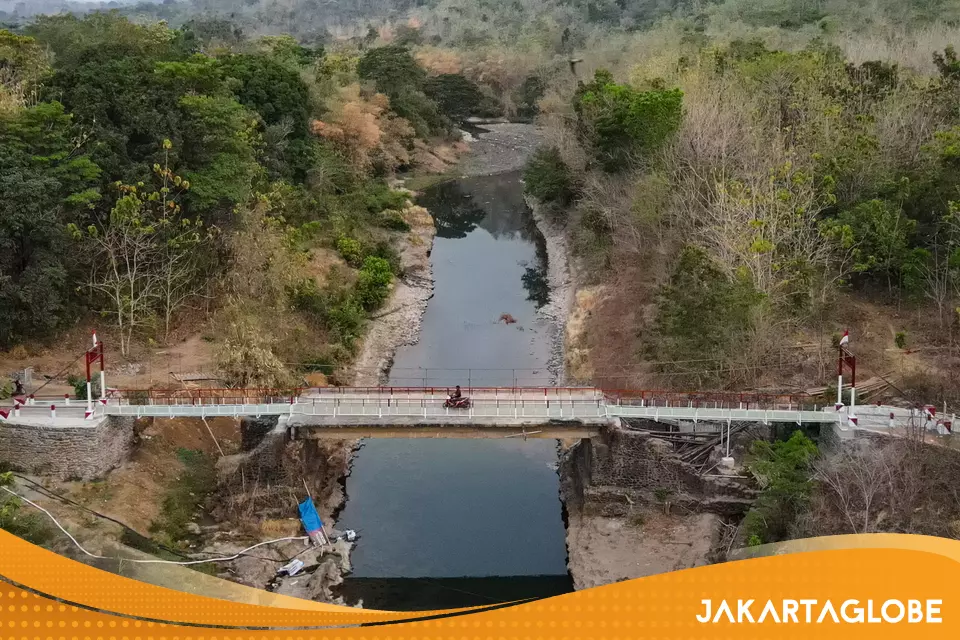
Two Years Into Prabowo Presidency, Infrastructure Takes Back Seat
Jakarta. Nearly two years into his presidency, Prabowo Subianto has charted a different development course from predecessor Joko “Jokowi” Widodo, placing costly social programs ahead of the infrastructure expansion that defined the previous decade.
Jokowi pursued ambitious toll-road links from Merak to Banyuwangi and from Lampung to Aceh, as well as Kalimantan’s first toll road. Although the networks remain incomplete, his administration built more than 2,000 kilometers of toll roads, 45 dams and 27 airports.
Under Prabowo, spending has shifted toward free nutritious meals, village cooperatives and schools for disadvantaged children, raising questions about connectivity, logistics costs and growth beyond Java.
The Trans-Sumatra toll road still needs roughly 1,600 kilometers to connect Lampung and Aceh. For 2027, the Public Works Ministry secured Rp 114.59 trillion ($6.4 billion), barely half its Rp 219.81 trillion proposal. Meanwhile, the government allocated Rp 268 trillion to the free meals program in 2026 and earmarked another Rp 240 trillion for 2027.
Bhima Yudhistira, executive director of the Center of Economic and Law Studies (CELIOS), said infrastructure’s contribution to jobs and economic activity had weakened as government priorities changed.
“Under Prabowo, the priority has shifted toward social spending,” he said, arguing that infrastructure investment no longer generates the same economic and employment stimulus seen under Jokowi.
The shift is also visible in Nusantara, the planned new capital. Jokowi’s government spent about Rp 75.8 trillion on its development between 2022 and 2024. Prabowo’s administration has committed Rp 48.8 trillion over five years for the next phase, alongside a separate Rp 6 trillion allocation to the Nusantara Capital Authority for 2026.
Bhima questioned progress toward the government’s target of building 3 million homes, citing financially strained state contractors and sluggish mortgage and property lending. “Construction has a significant role in absorbing labor, but that potential has not been fully realized,” he said.
Bernardus Marcello of the Indonesian Economists Alliance (AEI) warned that facilities built for new social programs could divert resources from areas still lacking basic infrastructure.
“These facilities are being developed in areas that are already relatively advanced, while many regions still lack basic infrastructure,” he said.
He pointed to delays on the Trans-Sumatra toll road and slow railway development outside Java. Infrastructure beyond Java, he argued, too often serves mines and resource industries rather than connecting communities to markets and jobs.
Bernardus estimated logistics costs at around 24% of gross domestic product, underscoring the burden on manufacturers and businesses transporting goods across the archipelago.
Danantara Takes Center Stage
Prabowo has also changed how major projects are financed and managed. Rather than relying primarily on ministry budgets and private participation, his administration has assigned a growing role to sovereign investment agency Danantara, established early in his presidency.
Managing assets valued at roughly $1 trillion, Danantara has been tasked with projects ranging from waste-to-energy plants and a proposed 100-gigawatt solar program to industrial estates, mineral processing, mining, plantations and Jakarta light rail development.
Its investment ambitions also extend overseas, including an Indonesian pilgrimage village in Saudi Arabia and oil-related ventures in Texas.
With hundreds of state-owned enterprises under its umbrella and responsibilities previously held by the State-Owned Enterprises Ministry, Danantara has become central to the government’s development strategy. Its concentration of assets and investment decisions also raises questions about oversight, financial exposure and the balance between commercial returns and public infrastructure needs.
Priorities for the Next Three Years
Bhima urged the government to focus on projects that directly raise productivity: upgrading industrial estates, supplying renewable power to green industries, developing warehouses for fisheries and plantation processing, and repairing village roads to improve market access.
Bernardus called for stronger public transportation outside Jakarta, irrigation networks, safe drinking water and disaster-prevention infrastructure.
The challenge for the remaining three years of Prabowo’s term, the economists argued, is not simply how much Indonesia spends, but whether investment lowers living costs, creates jobs and connects regions left behind by earlier development.
Tags: Keywords:
Source: jawawa.id (https://jawawa.id/newsitem/two-years-into-prabowos-presidency-infrastructure-takes-a-back-seat-1792119011)
Originally published by jakartaglobe.id (https://jakartaglobe.id/business/two-years-into-prabowo-presidency-infrastructure-takes-back-seat)