
Two Villages in Adonara, East Nusa Tenggara, Clash Again, Leaving Two Dead
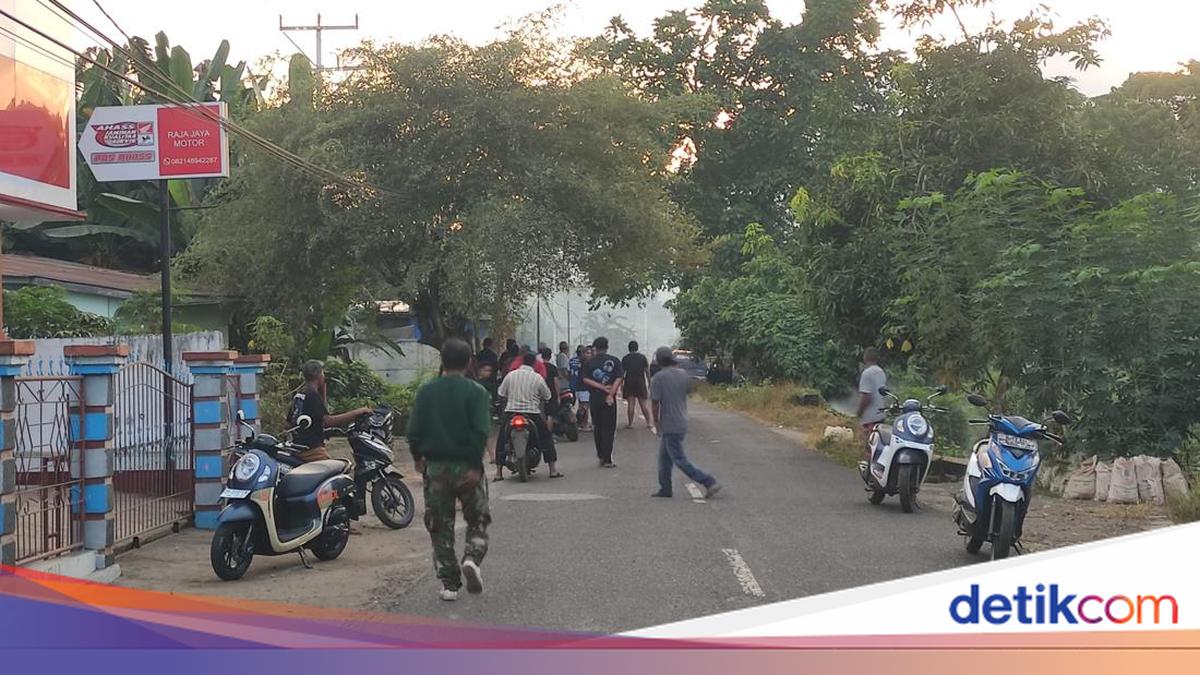
The conflict between residents of Narasaosina and Waiburak villages in East Adonara sub-district, East Flores, East Nusa Tenggara (NTT), erupted once again this morning. Two people were killed in the incident.
The Deputy Regent of East Flores, Ignasius Boli Uran, went directly to the scene after tensions between the two villages flared up again this morning. According to him, the two fatalities were residents of Narasaosina and Waiburak villages respectively.
“I am at the location. We are currently negotiating (mediating) over the body from Lewonara (Narasaosina village) who was killed. The body from Bele (Waiburak village) is ready to be buried,” Ignas said, as reported by detikBali on Saturday (18/7/2026).
Meanwhile, two residents of Waiburak village sustained injuries and have been referred to Lewoleba Regional Hospital and dr Hendrikus Fernandez Fernandez Regional Hospital in Larantuka. Both residents, who were wounded by sharp weapons, had initially received treatment at the Ile Boleng Community Health Centre.
“One patient was referred to Lewoleba Regional Hospital and another was referred to Larantuka Regional Hospital,” said the Head of the Ile Boleng Community Health Centre, Stefanus Ola Bura, on Saturday (18/7).
The conflict between the residents of Narasaosina and Waiburak villages has been going on for a long time. It was triggered by competing claims over the ownership of customary land that remain unresolved.
The case had previously been mediated by the East Flores Regency Government some time ago. Despite this, clashes have continued to occur. On 9 May, more than a dozen houses were burned to the ground and seven residents were hit by bullets and had to be rushed to hospital.
Source: jawawa.id (https://jawawa.id/newsitem/two-villages-in-adonara-east-nusa-tenggara-clash-again-leaving-two-dead-1784364727)
Originally published by detikcom (https://news.detik.com/berita/d-8579539/bentrok-2-desa-di-adonara-ntt-kembali-terjadi-2-orang-tewas), translated from Indonesian