
Two Top Executives of Japanese Nuclear Operator Resign Over Earthquake Data Manipulation
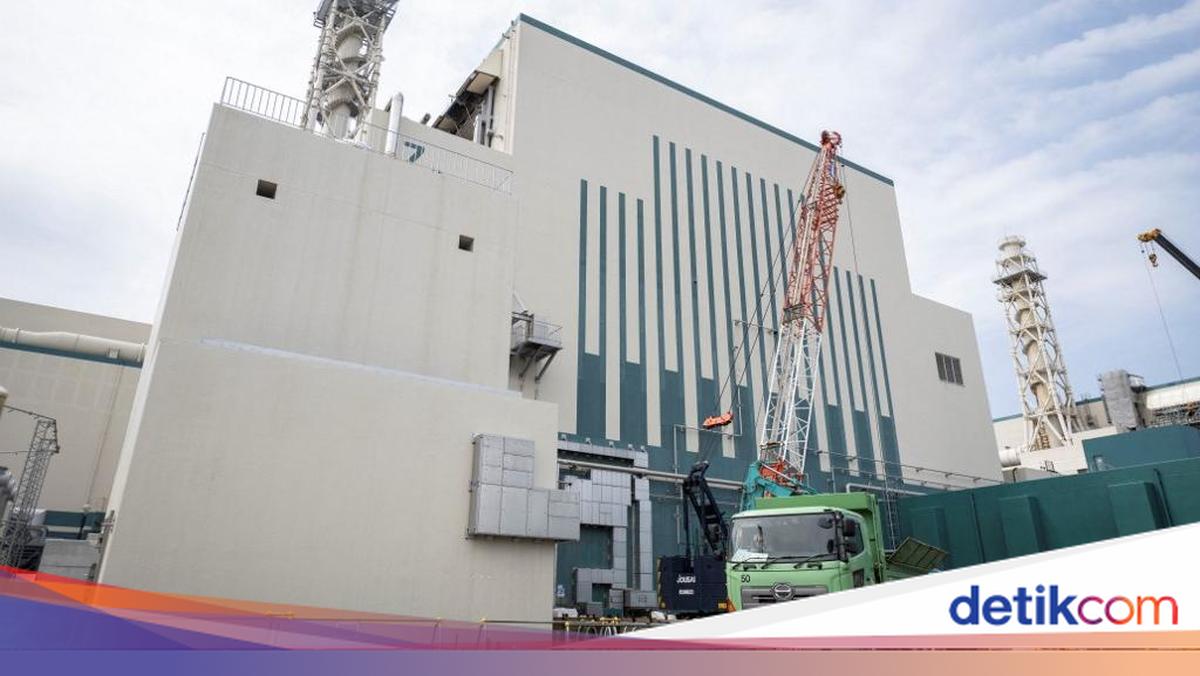
Two executive officials at a Japanese nuclear power plant operator resigned on Monday (14/09) following a scandal involving the manipulation of earthquake data. The nuclear operator has also cancelled plans to restart two reactors.
Japan is currently working to revive its nuclear power capacity, approximately 15 years after a devastating earthquake and tsunami caused a reactor meltdown at the Fukushima Daiichi nuclear power plant.
The Hamaoka nuclear power plant, managed by Chubu Electric Power, had been undergoing safety inspections by local regulators with the aim of restarting two of its reactors, according to AFP on Monday (14/09/2026).
Hamaoka NPP is located in central Japan, a region at risk of being struck by a ‘megaquake’ or a high-magnitude earthquake.
However, last January, Chubu Electric Power, the plant operator, admitted that it had submitted data to regulators that appeared to underestimate earthquake risks.
In a statement on Monday (14/09), Chubu Electric Power announced that the company’s President, Kingo Hayashi, and Chairman, Satoru Katsuno, would be replaced. It was also announced that the company would withdraw its application to restart its reactors at Hamaoka.
During a press conference, Hayashi stated that he felt a “heavy responsibility and was deeply sorry.” He also expressed “deep regret” for failing to “build an organisational culture that prioritises compliance and safety above all else.”
A 250-page report from an independent panel, released on Monday (14/09), noted that management’s “reprimands” regarding delays in the review process for restarting the nuclear reactors had placed pressure on staff and served as “one of the contributing factors to the violations.”
Japan previously halted the use of nuclear power following the reactor meltdown incident at the Fukushima plant. However, the resource-poor nation now plans to revive nuclear energy usage to reduce its high dependence on fossil fuels, especially as Japan is determined to achieve carbon neutrality by 2050.
Tokyo is also aiming to meet the increasing energy demands driven by the development of Artificial Intelligence (AI). The world’s largest nuclear power plant, Kashiwazaki-Kariwa, returned to operation earlier this year.
Estimates regarding maximum seismic ground motion are crucial in designing earthquake-resistant nuclear power plants. In September 2023, the Nuclear Regulation Authority (NRA) approved Chubu’s estimate of 1,200 gal—a unit of acceleration used to measure earthquake intensity.
However, in February last year, the NRA received information from a whistleblower regarding the possibility of data falsification. The NRA subsequently suspended the safety review process for the Hamaoka NPP at the end of last December.