
Two Lampung Regencies Become Model for Social Forestry Integrated Area Development
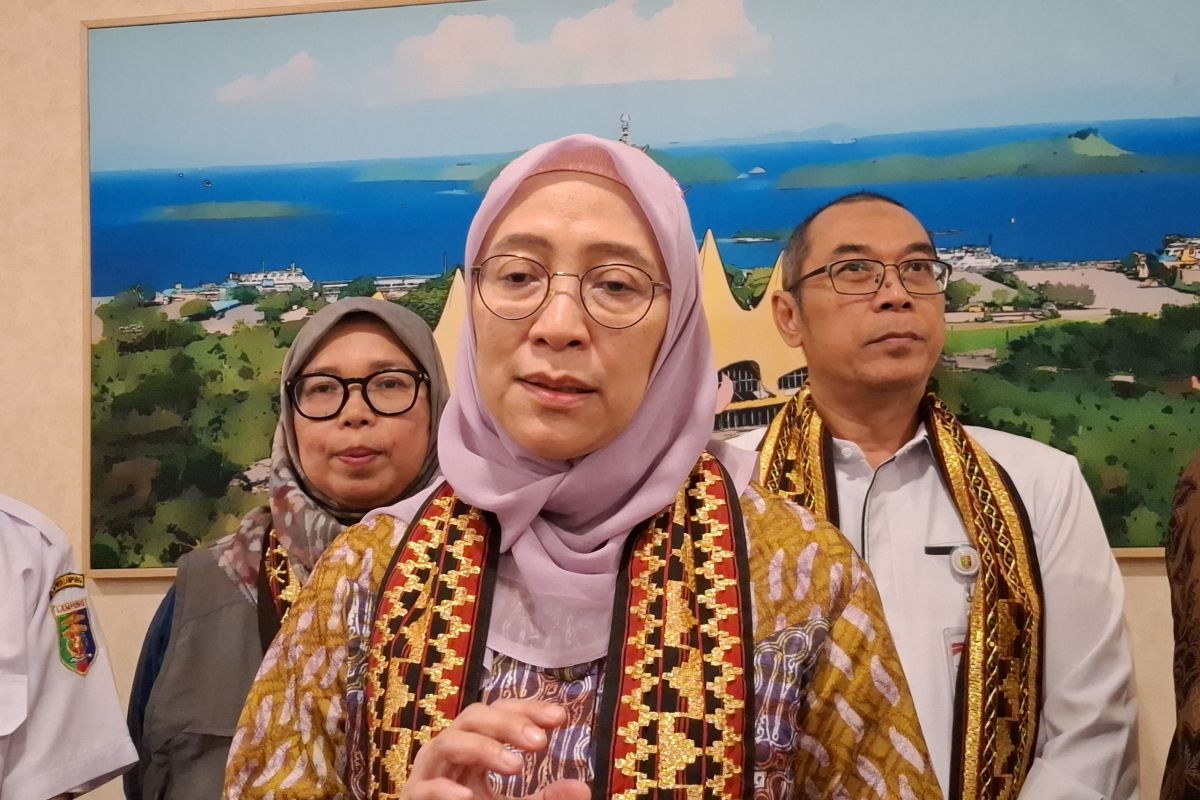
Director General of Social Forestry at the Ministry of Forestry, Catur Endah Prasetiani P, stated that two regencies in Lampung Province have become models for the implementation of integrated area development (IAD) based on social forestry to support community welfare.
Integrated area development is mandated by Presidential Regulation No. 28 of 2023 concerning integrated planning for the acceleration of social forestry management. This is a strategy to accelerate the social forestry programme through synergy with district governments, as regencies are the level of government that directly interacts with social forestry and shares the same vision and mission to support community welfare.
She explained that the characteristics of social forestry, which must be carried out sustainably from the planting process, conservation, to commodity management, require synergy with various parties. Through the integrated area development model, the community will become the main actors in forest conservation and forest product management.
Through this programme, the government aims to make the community not just labourers but primary actors. Through integrated area development, multi-party collaborative synergy will be built, and the output is the formation of a commitment document signed by the regent. This commitment contains the division of tasks in preserving and improving the welfare of communities on the forest fringe.
In Lampung Province, two regencies have been designated as models for implementing integrated area development: Pesawaran Regency and South Lampung Regency. The integrated area development approach is necessary to integrate various sectors such as forestry, agriculture, infrastructure, and community-based economy.
The ministry facilitates regions to create a joint commitment document or a kind of master plan, specifically based on social forestry with the regency as the landscape. From this, there will be an integration of forest business groups based on their commodity types, forming clusters of integrated area development programme units.
Based on data, 36 percent of the poverty rate is contributed by communities living around and within forest areas. Therefore, through the integrated area development model in social forestry, the government is striving to provide opportunities for communities to gain management access, increase their capacity, open market opportunities, and develop local economic empowerment models based on the utilisation of non-timber forest products.
With the success of the two regions in Lampung as models for social forestry integrated area development, it is hoped that the agreement document can be implemented sustainably, including through the application of financing innovations for social forestry business groups via integrated financing in South Lampung and Pesawaran.
Nationally, the implementation of social forestry integrated area development has been established in 82 regencies and cities committed to developing integrated area development, and 33 regencies and cities have ratified the social forestry integrated area development action plan document.