
Two Kartinis in the History of Education in East Kalimantan
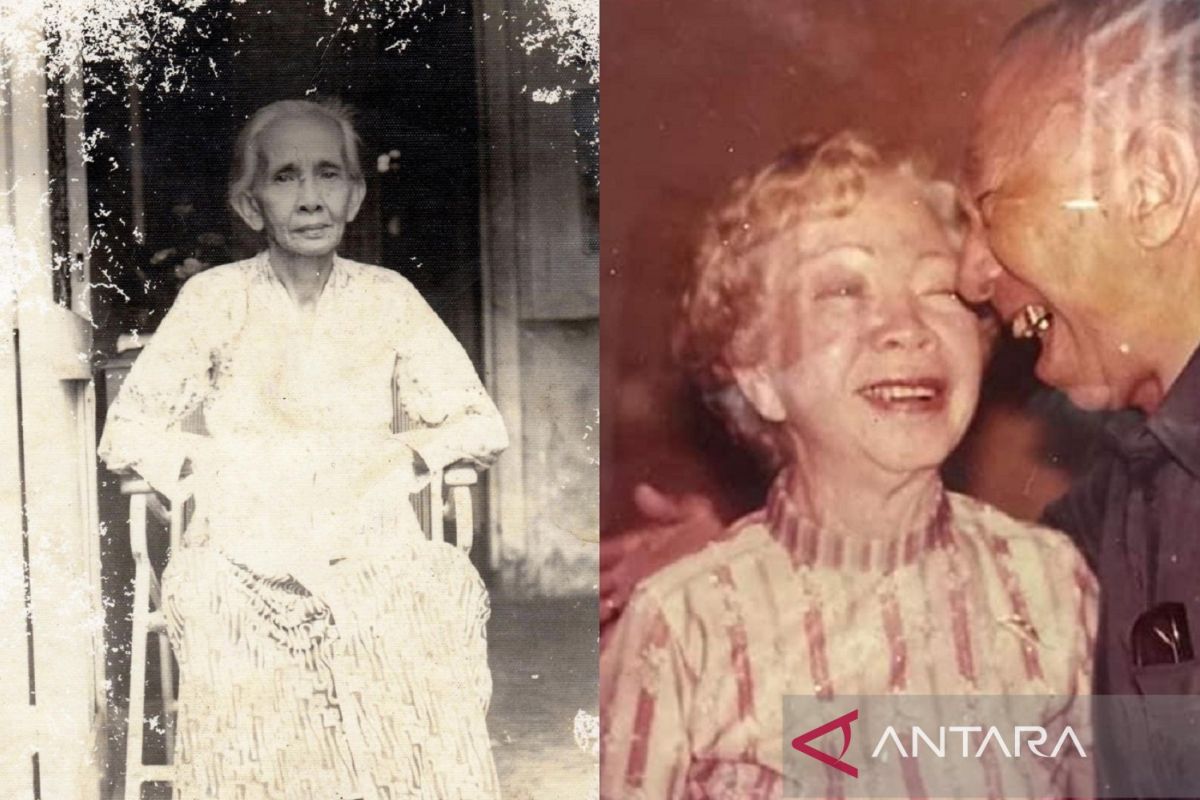
The story of Aminah Syukur and Dorinawati demonstrates that on the banks of the Mahakam River, the spirit of Kartini does not stop at annual ceremonies.
Samarinda (ANTARA) - On 21 April 1970, a solemn funeral procession took place in Samarinda. The body of a woman was transported from Jakarta to be honourably interred at the Kusuma Bangsa Heroes’ Cemetery (TMP).
That date was chosen to coincide with Kartini Day, as the Samarinda Municipal Government designated it as a tribute to their education hero: Aminah Syukur.
Nationally, every time the calendar points to 21 April, the collective memory of the Indonesian nation almost always focuses on one figure: Raden Ajeng Kartini. Kebaya are worn, songs of the struggle for emancipation are sung, and narratives about gender equality are proclaimed.
For that reason, it is necessary to shift the historical lens slightly away from Java and towards the banks of the Mahakam. There, 21 April holds a dual meaning that is no less grounded for the people of East Kalimantan.
Research into archives and literature compiled by East Kalimantan’s public historian, Muhammad Sarip, together with Alisya Anastasya in their book Women in East Kalimantan: Forgotten History, the Myth of Kartini, and Gender Reality, invites us to see that the heroism of women in Benua Etam does not stand alone. In addition to Aminah Syukur, the name of Nyonya Lo Beng Long is recorded as playing a role in founding the pride of East Kalimantan’s higher education institution.
Aminah Syukur and Nyonya Lo Beng Long are just two of many resilient women who paved the way for educational civilisation in this region.
So, how did the seeds of emancipation grow in East Kalimantan? According to Sarip, the organised activities of women began to stir with the fresh wind of the colonial ethical political policy in the third decade of the 20th century. The wave of the national movement centred in Java slowly spread to the outer islands.
Classic photographs from the 1930s era also document a sociological change in Samarinda: young women to adult females were no longer solely focused on the domestic sphere.
“They appear enthusiastic sitting on course benches, spelling out letters, and learning to read and write. This awareness of the importance of literacy crystallised into a collective movement. They then formed associations, one of which was under the umbrella of the Indonesian Islamic Women’s Union,” explained Sarip.
When the clamour of the Independence Revolution echoed during the period 1945–1949, the women of East Kalimantan did not sit idly by. They entered the fray. Their involvement went beyond the classroom: from designing strategies in social-political organisations, smuggling logistics, to providing moral support for Republican guerrillas operating in Kalimantan’s forests.