
Two Japanese Automotive Companies Set to Leave Indonesia
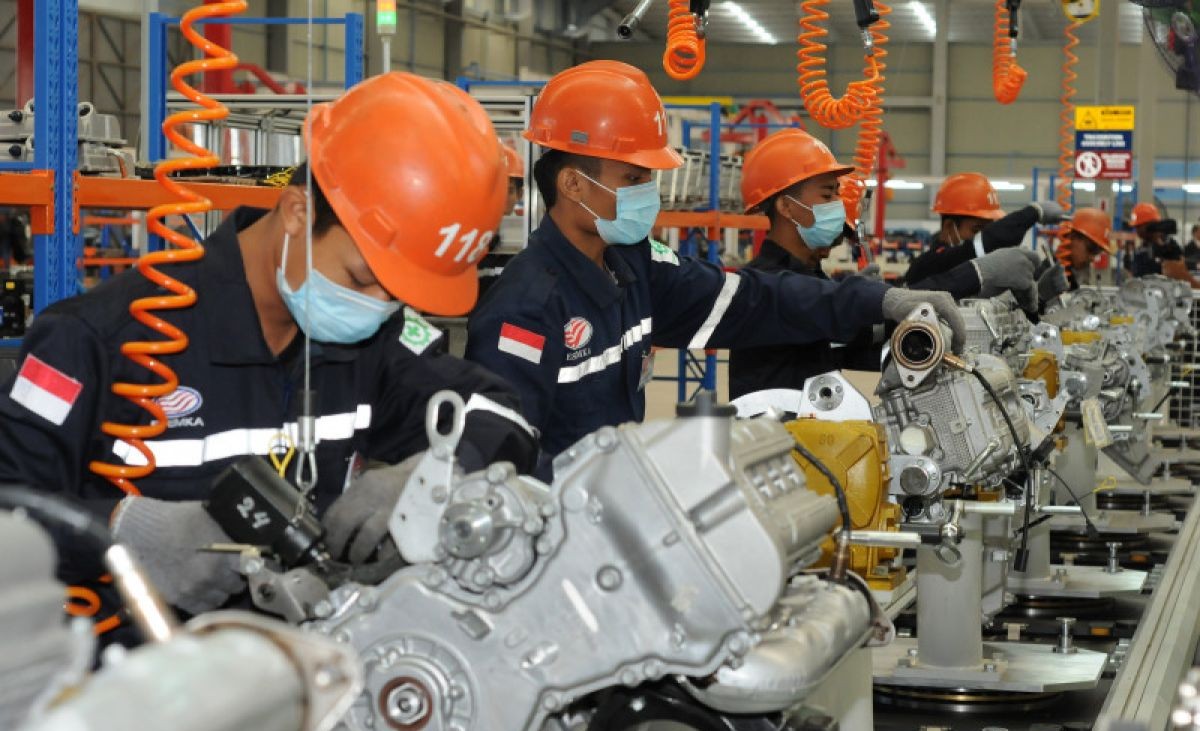
Presidential Special Adviser for Employment and Worker Welfare, Said Iqbal, has revealed a potential threat of layoffs at two Japanese automotive component companies in East Java, specifically in Pasuruan and Mojokerto. The two companies, which employ thousands of workers, are planning to leave Indonesia.
“Initial information indicates that the prolonged war situation has led the Japanese principals to plan relocating their investment to another country and to focus more on electric vehicle development in Vietnam,” said Said Iqbal, who also serves as President of the Confederation of Indonesian Trade Unions (KSPI) and President of the Labour Party, in a statement quoted on Monday (22/6).
To anticipate this, Said Iqbal stated that several steps would be taken. “Trade unions will negotiate with the companies to convince them not to move to Vietnam. From there, I will communicate with the DPR and the President to push for policies that support the development of the electric vehicle industry in Indonesia,” he said.
Said Iqbal emphasised that the strategy employed is to directly visit locations with potential layoff risks, rather than waiting for problems to escalate. “I advocate a strategy of not waiting, but going. The government, together with labour unions, especially KSPI, has carried out initial mitigation to ensure there are no layoffs.”
He cited a case at PT Amos in Cilincing, North Jakarta, where he visited alongside the Director General of Industrial Relations and Labour Social Security Development at the Ministry of Manpower, Indah Anggoro Putri. “The workers’ BPJS was temporarily suspended, but after we came, the BPJS had to be reactivated and is now active again,” Said Iqbal noted. He also explained that the Job Loss Insurance (JKP) process is currently underway.
“The next day, the Deputy Minister of Manpower came and met with the company along with the Police Employment Desk. I also met with the National Police Chief and the company owner. Currently, there is a positive development. The company is willing to pay severance, and the amount is nearly agreed upon.” According to Said Iqbal, this mitigation model will facilitate the resolution of employment issues. “Mitigation like this eases efforts to save the industry while ensuring workers remain employed and their rights are protected,” he concluded.