
Two Infant Formulas Under Scrutiny After Botulism Outbreak: Latest FDA Findings
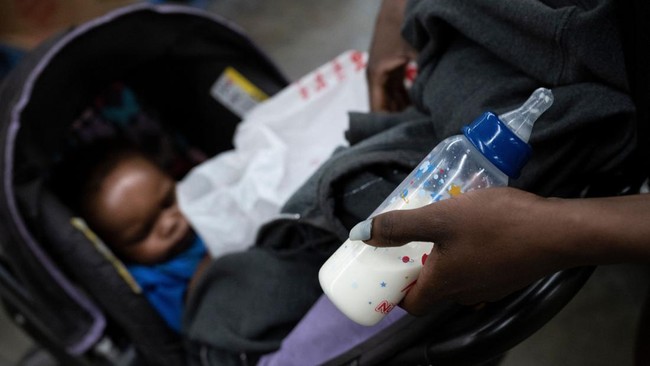
The United States Food and Drug Administration (FDA) has released the latest investigation results regarding a botulism outbreak in infants, which was previously linked to the ByHeart and Nara Organics infant formula brands. Authorities discovered the presence of Clostridium botulinum bacteria in one of the powdered milk raw ingredients, but have not yet been able to confirm the primary source triggering the outbreak.
Botulism is a rare disease that can be fatal as it attacks the nervous system. The disease is caused by toxins produced by the Clostridium botulinum bacteria, which can trigger muscle paralysis and lead to respiratory failure.
The FDA noted that the outbreak, which lasted from late 2025 to early 2026, was officially declared over on 26 February 2026. During this period, 48 infants across 17 US states were reported to be infected.
During the investigation process, the FDA conducted direct inspections of ByHeart’s production facilities and one of its raw material suppliers.
This investigation was launched after FDA inspection reports from 2023 resurfaced during the outbreak. At that time, the FDA found several violations related to food safety and hygiene at one of ByHeart’s production facilities, which has since been closed. The company also received a warning letter from the FDA in the same year.
However, based on the latest investigation, the FDA stated it found no evidence that those previous violations contributed to the botulism outbreak occurring in 2025-2026.
Both the FDA and ByHeart did find the presence of Clostridium botulinum in one of the powdered milk raw ingredients. Nevertheless, no other factors were found that could explain how this contamination caused the outbreak.
Contamination Found in Raw Ingredients
The FDA also inspected Dairy Farmers of America, a milk processing company for Organic West Milk, which serves as one of ByHeart’s suppliers.
Whole Genome Sequencing (WGS) analysis showed that the Clostridium botulinum bacteria found in two samples from one batch of organic powdered milk was identical to the bacteria found in clinical samples from sick infants and in finished formula products that tested positive.
Despite this, the FDA is continuing its root cause analysis, specifically regarding the raw materials used in the production process.
As a follow-up, ByHeart is developing an action plan to strengthen food safety systems throughout its entire production process.
The company will implement new testing methods for Clostridium botulinum with higher sensitivity levels. These protocols are being developed in collaboration with independent laboratories.
Testing will subsequently be conducted on all raw milk ingredients as well as every batch of finished products before they are brought to market.
Additionally, ByHeart will expand its supplier audits, increase the frequency of raw material testing, implement a QR code-based batch tracking system, and establish an independent Food Safety Advisory Board.
FDA Prepares Preventative Measures
On the other hand, the FDA has also begun drafting various steps to prevent similar incidents from recurring.
One such measure involves increasing surveillance sampling to determine how frequently Clostridium botulinum is found in powdered milk.
The agency is also working to deepen its understanding of the risks posed by this bacteria in infant formula and is developing best practices for the industry during the production process.
The FDA is also encouraging the Joint FAO/WHO Expert Meetings on Microbiological Risk Assessment (JEMRA) to conduct a risk assessment of spore-forming bacteria, including Clostridium botulinum and Bacillus cereus, in powdered infant formula.
Furthermore, the FDA supports the request from the Codex Committee on Food Hygiene for JEMRA to update risk assessments for Cronobacter and Salmonella in powdered infant formula, while also developing stricter control recommendations spanning production, packaging, and the preparation of infant formula.