
Two Indonesian Entrepreneurs Became Conglomerates Through Regular Visits to Mount Kawi
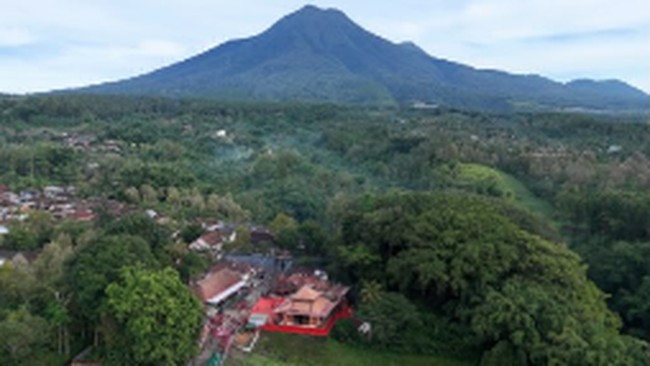
Mount Kawi in Malang Regency, East Java, has long been associated with various mystical stories and is often identified as a place for seeking fortune. Behind this stigma, this pilgrimage site is also embedded in the historical life journeys of two entrepreneurs of Chinese descent who later transformed into giant conglomerates in Indonesia.
These two major figures are Ong Hok Lionlar and Liem Sioe Liong. Although they had different backgrounds and business lines, the success stories of both are frequently linked to the pilgrimage rituals or visits they made to Mount Kawi.
- Ong Hok Liong and the Taro Dream that Created ‘Bentoel’
According to historian George Quinn in the book Wali Berandal Tanah Jawa (2021), Ong Hok Liong was known as one of the entrepreneurs who regularly visited Mount Kawi to pray for business smoothness and success to Eyang Jugo and Iman Soedjono.
During one of his visits in 1954, Ong is said to have fallen asleep near the tomb area and dreamt of seeing chunks of taro (ubi talas).
Upon waking, he asked the tomb’s caretaker about the meaning of the dream. The caretaker stated that the dream was a supernatural sign from Eyang Jugo for Ong to rename his cigarette factory, which at the time was stagnating.
At that time, his factory used the name Stroothes-Fabriek. Following the interpretation of the dream, Ong finally changed his cigarette brand to Bentoel—a name derived from the local Malang term for taro.
This renaming decision became a phenomenal turning point. Sales of Bentoel cigarettes surged drastically, eventually employing over 3,000 workers and evolving into one of the nation’s cigarette industry giants.
- Liem Sioe Liong and the Fortune Teller’s Advice for BCA
The second major figure frequently associated with Mount Kawi is Liem Sioe Liong, the founder of the Salim Group business empire.
In the biography titled Liem Sioe Liong and Salim Group: Pilar Bisnis Soeharto (2016) by Richard Borsuk and Nancy Chng, it is revealed that the man affectionately known as Om Liem regularly travelled the Surabaya-Mount Kawi route three to five times every year.
Before deciding on major business moves, Liem would usually spend time at a Chinese temple in the area to seek spiritual guidance from fortune tellings and undergo various rituals.
“In the temples where he prayed, Liem often relied on supernatural methods to help him decide which steps to take. One common method used was shaking a bamboo tube containing sticks with specific writings until one stick emerged, the writing on which was then read and interpreted by monks or fortune tellers,” wrote Richard and Nancy.
One of the most iconic moments occurred when Liem had to decide whether to appoint Mochtar Riady to lead and develop Bank Central Asia (BCA). The book notes that this major decision was made after Liem sought blessings and guidance from a fortune teller at Mount Kawi.
“Upon returning from Mount Kawi [meeting the fortune teller], with conviction he said, ‘I will be the Tang Sheng for Mochtar’,” wrote the two authors, referring to the monk character in the legend of the journey to the West.
Regardless of the pros and cons regarding these beliefs, the journeys of Ong Hok Liong and Liem Sioe Liong demonstrate how myth and local business strategies once intersected to build multi-billion dollar business empires that later made significant history in the Indonesian economy.
Source: jawawa.id (https://jawawa.id/newsitem/two-indonesian-entrepreneurs-became-conglomerates-through-regular-visits-to-mount-kawi-1790499138)
Originally published by CNBC Indonesia (https://www.cnbcindonesia.com/market/20260927114000-17-771209/2-pengusaha-ri-jadi-konglomerat-rutin-datang-ke-gunung-kawi), translated from Indonesian