
Two Fruits Mentioned in the Quran Can Help Lower Cholesterol
The Al-Quran frequently mentions fruits such as dates, grapes, olives, pomegranates, figs, and bananas as part of the depiction of Allah’s blessings and signs of His greatness. Interestingly, a number of these fruits are now known to contain nutrients and bioactive compounds beneficial for health. Among the fruits mentioned in the Al-Quran, two have been found to help lower cholesterol levels. Here is the explanation.
- Figs
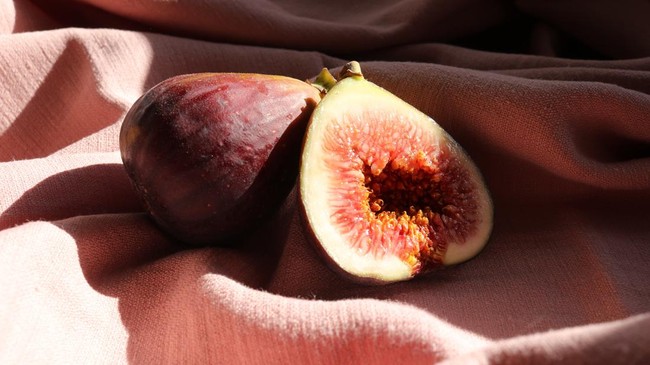
Al-Quran has a chapter named Surah At-Tin, which means the fig. In fact, Allah swears by the fig and the olive. The reference to figs in the Quranic verse speaks to the fruit’s medicinal benefits. In Islamic tradition, anything by whose name Allah swears possesses inherent majesty or importance. Figs contain pectin, a soluble fibre that helps lower cholesterol levels. Soluble fibre removes excess triglycerides and aids in their elimination. Furthermore, dried figs contain Omega 3 and Omega 6 fatty acids, as well as phytosterols, which are cardioprotective and help improve brain health. Figs also contain magnesium, a mineral that plays an important role in bone health and energy balance.
- Olives
Olives are mentioned seven times in the Al-Quran, indicating the fruit’s significance in the history of Islamic development. The olive not only has nutritional, medicinal, and cosmetic value but also serves a religious function as a sign of Allah’s greatness. In Surah Al Mu’minun verse 20, the Al-Quran speaks of fruits to be eaten and mentions the olive tree that grows on Mount Sinai, providing oil and seasoning for food. Olives also contain essential fatty acids that are good for heart and brain function, as well as polyphenols with antioxidant properties. Many people even choose olive oil as a healthier option compared to palm oil. Olive oil is high in monounsaturated fatty acids, about 75%. When replacing saturated fats, the monounsaturated fats in olives help lower bad cholesterol. The health benefits of olive oil are also linked to its antioxidant and anti-inflammatory properties.