
Two Decades of Innovation: Infobip Says AI Adoption in Indonesia Expanding from GenAI to Agentic AI
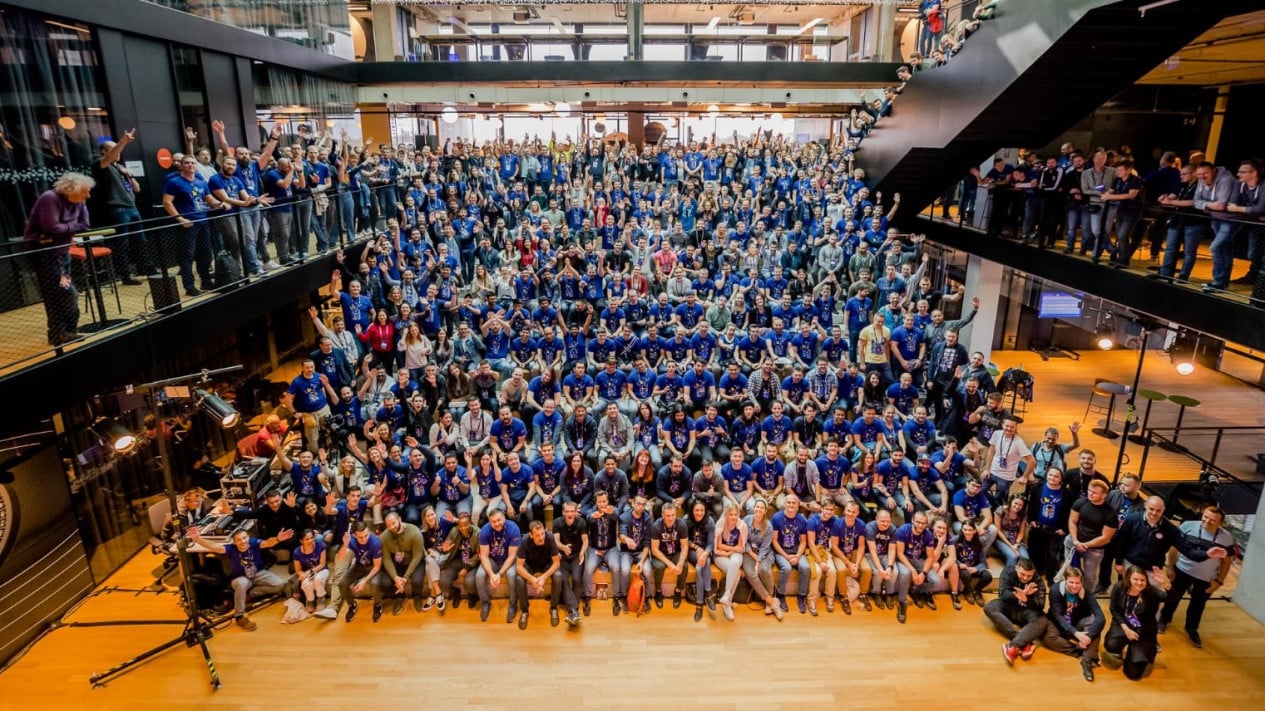
Jakarta, VIVA – Global AI-based cloud communication platform Infobip is celebrating two decades of its journey in transforming the way businesses and consumers connect. Starting from a single SMS sent from a small town on the Adriatic coast in Croatia, Infobip now processes more than 700 billion messages annually.
Chief Executive Officer (CEO) of Infobip, Silvio Kutić, predicts that a wave of transformation in global brand-consumer engagement is imminent. The communication model, long dominated by application-to-person (A2P) messaging, will shift to an agent-to-person model and ultimately towards fully independent agent-to-agent interactions by 2030.
Alongside this increasingly rapid shift, Infobip itself, according to him, has seen Agentic AI as a new chapter that will redefine interactions between brands and consumers.
“The way we communicate with brands continues to evolve. In this new era of Agentic AI, brands must seize the opportunity to adopt a more holistic communication approach. They need to optimise hyper-personalisation through the adoption of Agentic AI and more interactive communication channels such as RCS and WhatsApp,” said Silvio in his statement on Monday, 30 March 2026.
In Indonesia, this global evolution is beginning to become evident. Since entering the market in 2016, Infobip has witnessed rapid digital acceleration, driven by increasing mobile penetration and changes in consumer behaviour.
In recent years, Infobip has also supported the increased adoption of GenAI for brand engagement needs across various industries. Based on Infobip’s Messaging Trends 2025 report, 50 percent of AI adoption in Indonesia is driven by GenAI.
“This trend is expected to continue dominating, but Infobip also projects a transitional phase towards Agentic AI adoption in the coming years,” he said.
Silvio added that the Indonesian market also presents its own challenges for brands. With a highly diverse socio-economic background, brands can no longer rely on a one-size-fits-all communication approach for all segments.
This is where hyper-personalisation becomes the most relevant strategy. Generative AI has been widely used by brands to customise messages based on customer interests and profiles, even to the level of hyper-personalisation.
Silvio emphasised that this is where Agentic AI plays a further role, no longer just an assistant that “responds”, but an agent that “acts” independently to directly resolve customer issues through their preferred communication channels such as WhatsApp.