
Two Constitutional Court Rulings on Women's Political Representation
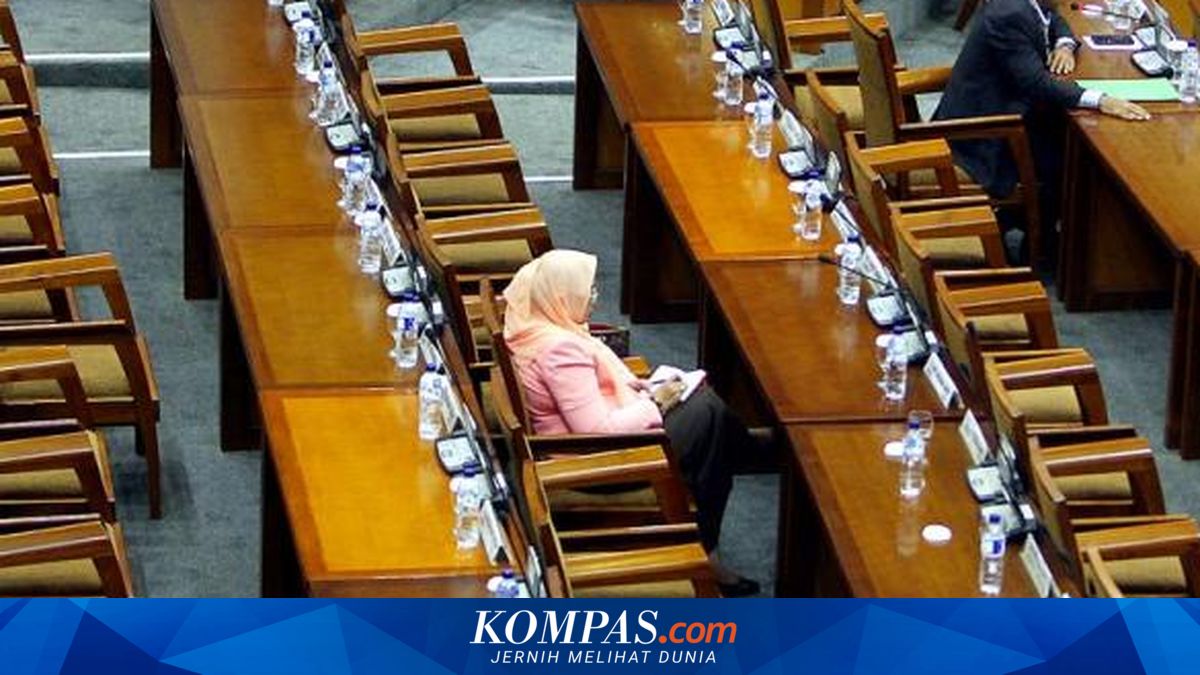
JAKARTA – The Constitutional Court’s rulings on women’s political representation are set to reshape Indonesia’s political landscape. At least two decisions have emphasised female representation in general elections and the House of Representatives (DPR).
Both rulings, issued after the 2024 elections, are likely to apply to the 2029 polls. The court has stipulated penalties for political parties failing to meet the 30% quota for female candidates in DPR, provincial, and regency/city legislative councils.
In Partially Granted Decision No. 128/PUU-XXIV/2026, the court ruled that the General Election Commission (KPU) at all levels may disqualify parties not meeting the minimum 30% female candidate requirement. Justice Adies Kadir stated during the ruling on 25 May 2026: “Given the practical enforcement of sanctions against participating political parties, it is essential to uphold the spirit of Article 28H(2) of the 1945 Constitution in the composition of DPR/DPRD candidate lists. Parties failing to meet the 30% female quota must face strict sanctions.”
He added that this clarification is necessary to realise the principle of popular sovereignty in fair elections and reduce discrimination against female representation in legislative bodies. “Thus, the regulation on candidate lists requiring at least 30% female representation under Article 245 of Law 7/2017 must be interpreted alongside sanctions for parties to be disqualified if they fail to meet the criteria,” he said.
Chief Justice Suhartoyo announced the court’s decision as “partially granted” in Decision No. 128/PUU-XXIV/2026.
In Decision No. 169/PUU-XXII/2024, the court mandated that all parliamentary bodies—including committees, the Consultative Body (Bamus), special committees, the Legislation Body (Baleg), Budget Body (Banggar), Inter-Parliamentary Cooperation Body (BKSAP), House Ethics Court (MKD), and House Administration Body (BURT)—must include female representation.