
Turning nature into Indonesia's next economic advantage
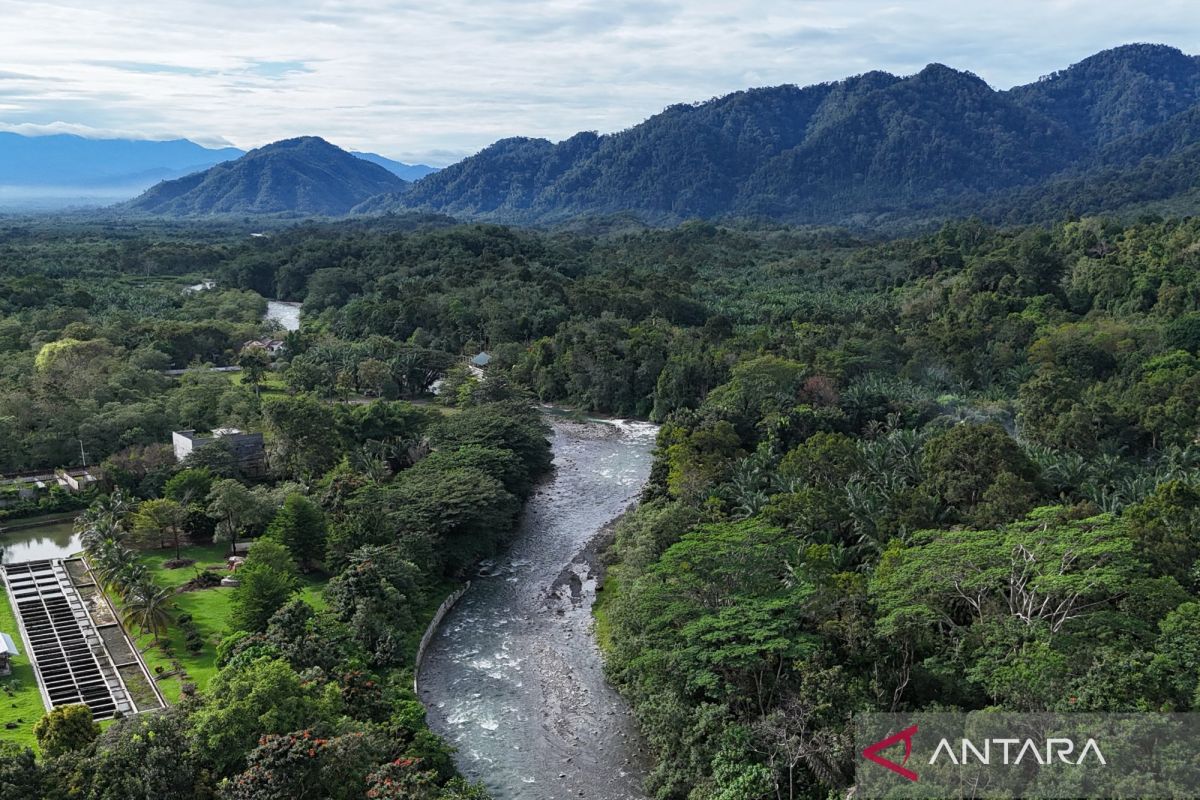
Nature is no longer viewed merely as a source of raw materials. It is increasingly recognized as an economic asset capable of generating added value, attracting investment, and expanding market access.
The shift is already reflected in global trade rules. The European Union’s Deforestation Regulation (EUDR) requires commodities such as palm oil, cocoa, coffee, timber, and rubber to originate from areas free of deforestation.
The EU is also implementing the Carbon Border Adjustment Mechanism (CBAM), which places greater emphasis on carbon emissions from products including steel, aluminum, cement, and fertilizers, making production footprints increasingly important for export competitiveness.
Investors and financial institutions are likewise paying closer attention to environmental risks before committing capital, reinforcing biodiversity’s growing role in investment decisions.
For Indonesia, one of the world’s most biodiverse countries, this changing landscape presents significant opportunities. Its tropical rainforests, mangrove forests, coral reefs, and thousands of plant and animal species support agriculture, fisheries, tourism, and many other sectors.
The World Economic Forum estimates that more than half of global gross domestic product depends directly or indirectly on nature and ecosystem services, underscoring biodiversity’s growing value as an economic asset.
Realizing that potential, however, will require substantial investment.
Indonesia’s Biodiversity Expenditure Review estimates annual biodiversity financing needs at Rp118.5 trillion to Rp163.8 trillion, while available funding stands at only around Rp21.6 trillion.
The financing gap shows that biodiversity conservation cannot rely solely on government spending, highlighting the need for greater private-sector participation and innovative financing.
Recognizing this challenge, the government has incorporated biodiversity into its development agenda through the 2025-2029 National Medium-Term Development Plan (RPJMN) and the 2025-2045 Indonesia Biodiversity Strategy and Action Plan (IBSAP).
Leonardo A.A. Teguh Sambodo, deputy for food, natural resources, and environment at Indonesia’s Ministry of National Development Planning/National Development Planning Agency (Bappenas), said biodiversity forms the foundation of sustainable development while supporting food security and the green and blue economies.
The challenge now extends beyond recognizing biodiversity’s importance. Indonesia must establish credible mechanisms that can connect conservation efforts with long-term investment.
Building Trust
In global markets, countries are increasingly judged not only by the natural wealth they possess but also by whether those resources are managed transparently, measured consistently, and independently verified.
To strengthen that credibility, the government is developing biodiversity credits as an innovative financing instrument that assigns economic value to ecosystem restoration, habitat protection, and biodiversity conservation.
The mechanism aims to transform conservation from a financial burden into an economic activity capable of generating measurable returns while protecting ecosystems.
Leonardo said biodiversity credits are intended to help narrow Indonesia’s conservation financing gap through measurable, verifiable outcomes that deliver tangible environmental benefits.
Bappenas, together with relevant ministries and agencies and with support from the UNDP Biodiversity Finance Initiative (BIOFIN), is preparing pilot projects and a white paper to lay the foundation for Indonesia’s biodiversity credit market.
The initiative’s success will depend on governance. Clear standards, reliable data, strong verification systems, and consistent oversight will be essential to earning the confidence of investors and international markets.
Economic Value
The economic value of biodiversity extends well beyond biodiversity credits.
Healthy ecosystems sustain agricultural productivity, provide opportunities for pharmaceutical and cosmetic innovation, and support fisheries and coastal economies through mangroves, seagrass meadows, and coral reefs.
Environmental degradation, by contrast, raises production costs, reduces productivity, and ultimately weakens economic competitiveness.
Environment Minister and Head of the Environmental Control Agency Mohammad Jumhur Hidayat said environmental protection should be regarded as an economic activity that creates added value rather than merely a conservation obligation.
Such an approach encourages businesses to become active partners in maintaining the ecosystems that sustain their operations instead of simply extracting natural resources.
Noer Adi Wardojo, senior adviser to the environment minister for biodiversity conservation and socio-cultural affairs, said biodiversity credits must be built on integrity, broad stakeholder participation, and robust governance to gain international credibility.
Australia’s Nature Repair Market illustrates how biodiversity markets can develop successfully when supported by scientific standards, credible verification, and regulatory certainty.
Indonesia is building similar foundations through the Jurisdictional Sustainability Indicator Platform (IYB), developed by Bappenas to improve supply-chain transparency and traceability.
The shift marks a new phase of global economic competition. Beyond price and efficiency, markets increasingly reward products that can demonstrate sustainable production and responsible environmental management.
Countries that establish trusted sustainability systems more quickly are likely to strengthen their positions in international trade while attracting greater investment.
Indonesia’s long-term advantage will depend not only on the size of its forests or the richness of its biodiversity, but also on its ability to convert those natural assets into globally recognized economic value.
For decades, economic gains largely came from extracting natu