
Turning Nature into a New Economic Advantage
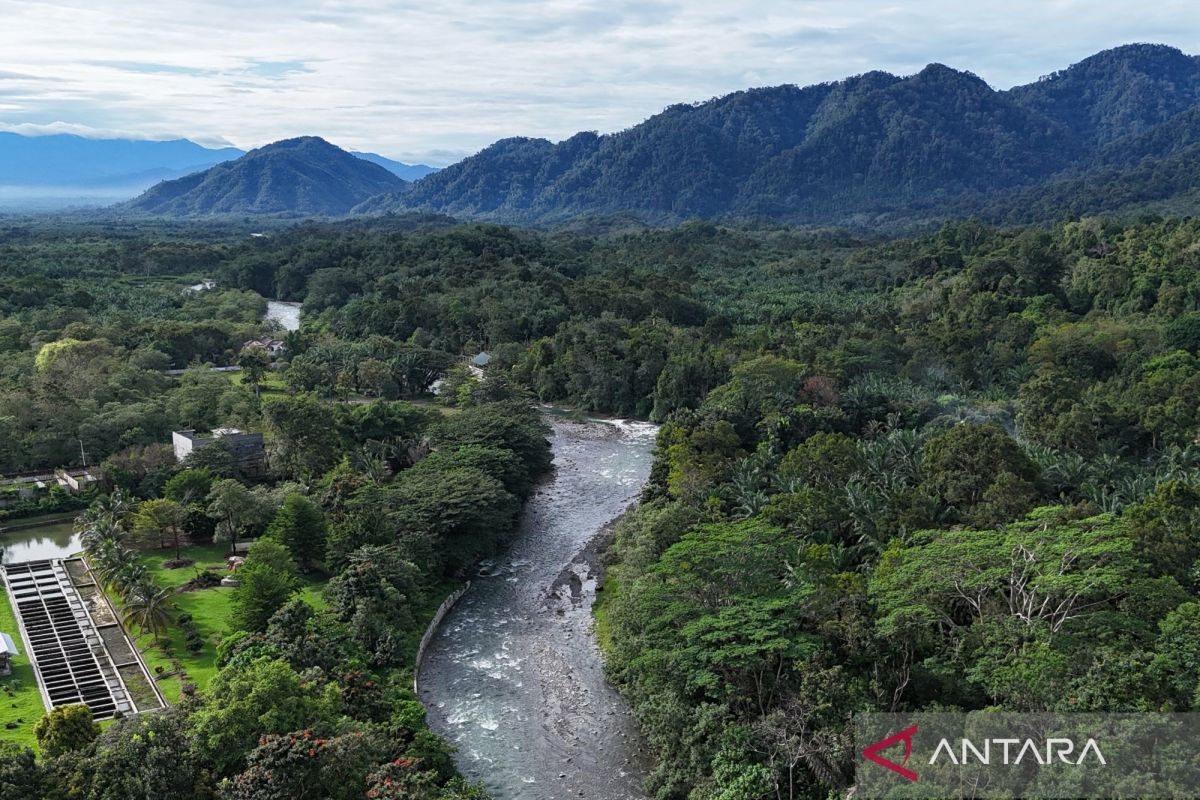
The way the world creates economic value is changing. Amid climate change and increasingly stringent sustainability standards, a nation’s ability to preserve forests, mangroves, coral reefs, and biodiversity now determines its competitiveness. Nature is no longer viewed merely as a source of raw materials, but also as an economic asset capable of creating added value, attracting investment, and strengthening market access.
This shift is already reflected in global trade rules. The European Union, for example, has begun implementing the European Union Deforestation Regulation (EUDR), which requires commodities such as palm oil, cocoa, coffee, timber, rubber, and their derivatives not to originate from deforested land. The EU is also introducing the Carbon Border Adjustment Mechanism (CBAM) for high-emission products, including iron, steel, aluminium, cement, and fertilisers. The carbon footprint of the production process is now a factor determining export competitiveness. At the same time, investors and financial institutions are increasingly scrutinising environmental risks before committing capital.
These changes present a significant opportunity for Indonesia. As one of the world’s most biodiverse countries, Indonesia possesses tropical rainforests, mangroves, coral reefs, and thousands of flora and fauna species that underpin various economic activities. The World Economic Forum estimates that more than half of the world’s gross domestic product depends, either directly or indirectly, on nature and ecosystem services. In this context, biodiversity is no longer just an ecological asset but also an increasingly valuable economic one.
However, this opportunity will not materialise on its own. According to the Biodiversity Expenditure Review, Indonesia’s biodiversity management funding needs are estimated to reach between Rp118.5 trillion and Rp163.8 trillion per year, while the available financing capacity is only around Rp21.6 trillion. This gap indicates that conservation efforts cannot rely solely on the government budget.
Consequently, the government is beginning to position biodiversity as part of its development strategy through the 2025-2029 National Medium-Term Development Plan (RPJMN) and the Indonesia Biodiversity Strategy and Action Plan (IBSAP) 2025-2045. Leonardo AA Teguh Sambodo, Deputy for Food, Natural Resources, and Environment at the Ministry of National Development Planning/Bappenas, explained that biodiversity is a foundation for development that supports food security while opening opportunities for the green and blue economy. The challenge now is not just recognising the importance of preservation, but building mechanisms that connect conservation with investment.
Source: jawawa.id (https://jawawa.id/newsitem/turning-nature-into-a-new-economic-advantage-1785214440)
Originally published by Antara (Indonesian) (https://www.antaranews.com/berita/5668796/menjadikan-alam-sebagai-keunggulan-ekonomi-baru), translated from Indonesian