
Turkish Analyst: Middle East Conflict Triggers Prolonged Inflation
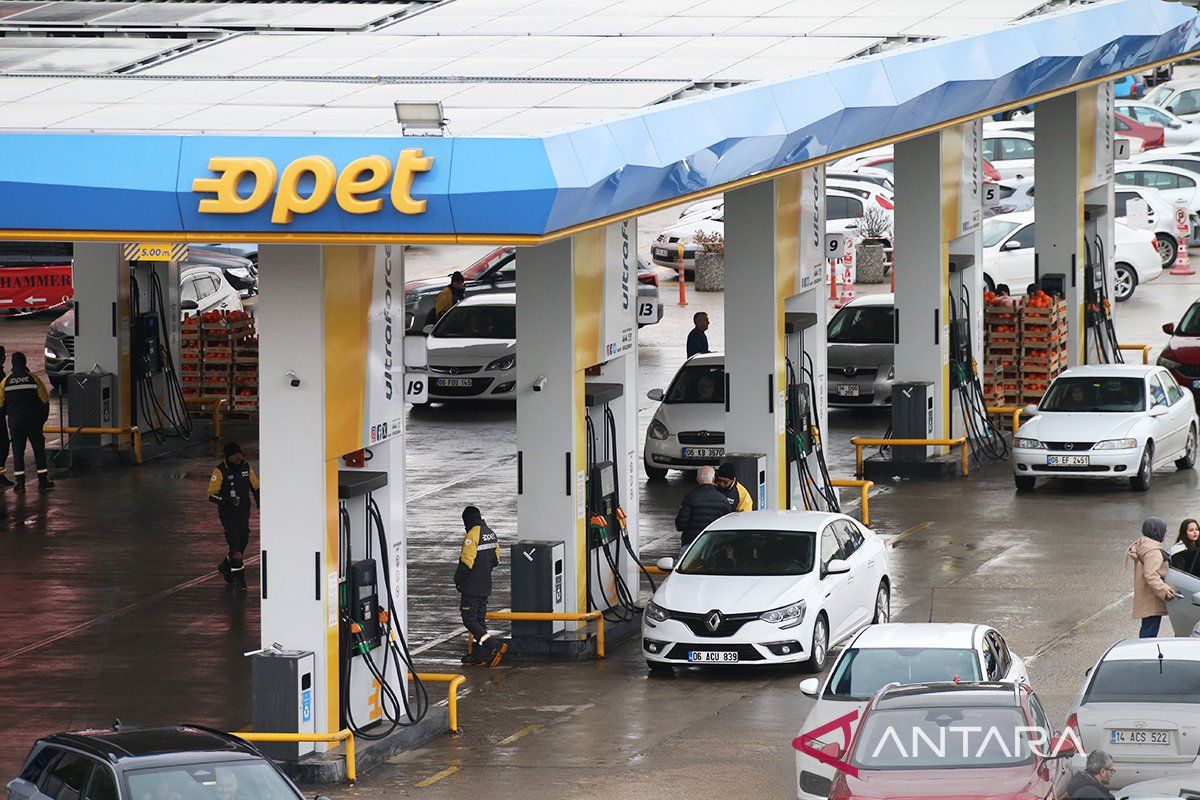
Istanbul (ANTARA) - Global supply chain disruptions and rising energy costs, triggered by ongoing geopolitical tensions in the Middle East, are driving prolonged inflation in emerging economies, according to Murat Tufan, an Istanbul-based analyst.
The impact of the conflict between Iran and the United States (US), which entered its 100th day on Sunday (7/6), is expanding and triggering sharp surges in general commodity prices, Tufan told Xinhua in a recent interview.
“The costs of fertiliser and shipping continue to rise due to vessel delays in the Strait of Hormuz, a crucial artery for global trade, which ultimately drives up the final prices of everyday essential goods,” he stated.
Inflation has become one of the primary drivers of current economic hardships in developing nations, which are highly vulnerable to imported inflation and global price shocks, Tufan noted.
Tufan explained that consumers now operate under the assumption that prices will inevitably be higher tomorrow, creating a mindset that undermines broader efforts to control inflation. Driven by these concerns, daily consumer habits have changed drastically; people are increasingly relying on credit to stockpile essential kitchen supplies and are rushing to purchase essential household goods before the next price hike occurs.
Tufan remarked that this panic-driven situation, in turn, provides opportunities for businesses to raise prices arbitrarily.
This new, more dangerous wave of inflation has also caught central banks worldwide by surprise, Tufan added. Traditional monetary instruments, such as interest rate hikes, are largely ineffective against inflation driven by such supply disruptions, given that central banks cannot control energy or commodity prices in the global market.