
Turkey Targets Russia's Caviar Throne, Worth Billions of Dollars
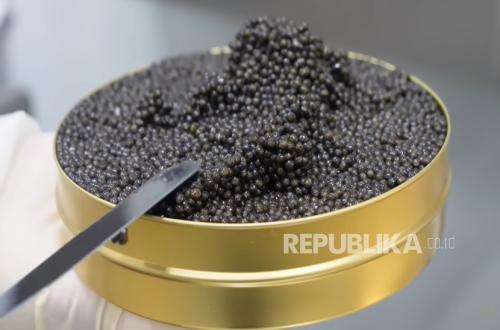
For more than a century, caviar has been synonymous with Russia. The salted roe of the sturgeon fish has become a global symbol of luxury, often gracing the tables of nobility, heads of state, and Michelin-starred restaurants. But now, Russia’s dominance in the world caviar market is facing a new challenger: Turkey.
The Turkish government is pursuing an ambitious strategy to turn the country into one of the main players in the global caviar industry. Through a newly announced plan, Turkey’s Ministry of Agriculture and Forestry is targeting export revenues of more than 100 million US dollars from sturgeon and caviar products by 2028.
The move is part of Ankara’s efforts to expand exports of high-value aquaculture products while entering the premium food market, which has long been dominated by traditional producers such as Russia and Iran.
Caviar comes from the roe of sturgeon, an ancient species that has lived since the time of the dinosaurs. The product is known as one of the most expensive foods in the world. The price of premium caviar from Beluga, Ossetra, and Sevruga varieties can reach thousands of dollars per kilogram, depending on quality and origin.
Historically, the Caspian Sea, bordered by Russia and Iran, has been the centre of world caviar production. For centuries, Russia built a reputation as the producer of the finest caviar, turning the product into a national culinary symbol famous across Europe and North America.
However, caviar is not Russia’s main commodity in terms of export value. That role remains dominated by oil, natural gas, wheat, fertilisers, and metals. Yet, in terms of international image and prestige, caviar holds a very special position. The product is often referred to as the ‘black gold’ of the culinary world due to its rarity and high value.
In recent decades, wild sturgeon populations have declined due to overfishing, pollution, and environmental changes. This situation has prompted many countries to switch to modern farming systems to maintain production while preserving the species.
Turkey sees a great opportunity in this shift. The country banned sturgeon fishing in 1997 and placed the species under protection. Subsequently, the government began building the foundations of a sturgeon farming industry through conservation programmes and sustainable aquaculture development.
Under the coordination of the General Directorate of Fisheries and Aquaculture, hatchery facilities in Amasya and Bolu have produced around 100,000 juvenile sturgeon between 2022 and 2025. Some were released into natural habitats flowing into the Black Sea, while the rest are used for the development of the commercial farming industry.
Turkey currently has 12 licensed sturgeon farming facilities with a combined production capacity of more than 3,200 tonnes per year. The government is targeting a capacity increase to 20,000 tonnes per year, exports of 2,500 tonnes of sturgeon products, and caviar production reaching 100 tonnes per year by 2028.